



Whenever I give a talk or presentation, there’s one question that never fails to appear, “So, which is your favourite animal to photograph?”. On International Cheetah Day, it’s time to declare… the Cheetah!
It’s a fair question, of course, and I always do my best to answer politely. But honestly? I usually want to say, “The last one I photographed.” That’s not me being evasive, it’s just the truth. I love wildlife, all of it, and I tend to get completely caught up in whatever I’m photographing at the time, from taking the shots to post-processing then getting my head in the field-guides, researching any golden nuggets of information.
When you’ve just spent a morning in the middle of a herd of elephants in perfect light going about their business as if you weren’t even there, it’s really hard to imagine anything better. Until, of course, you find a leopard high in the branches of a Mashatu Tree, a beautiful Lilac-breasted Roller in the morning light or a Lioness with tiny cubs!
But if I had to choose, if I had to pick just one species then I’d always say Cheetahs and it’s not because today is International Cheetah Day!
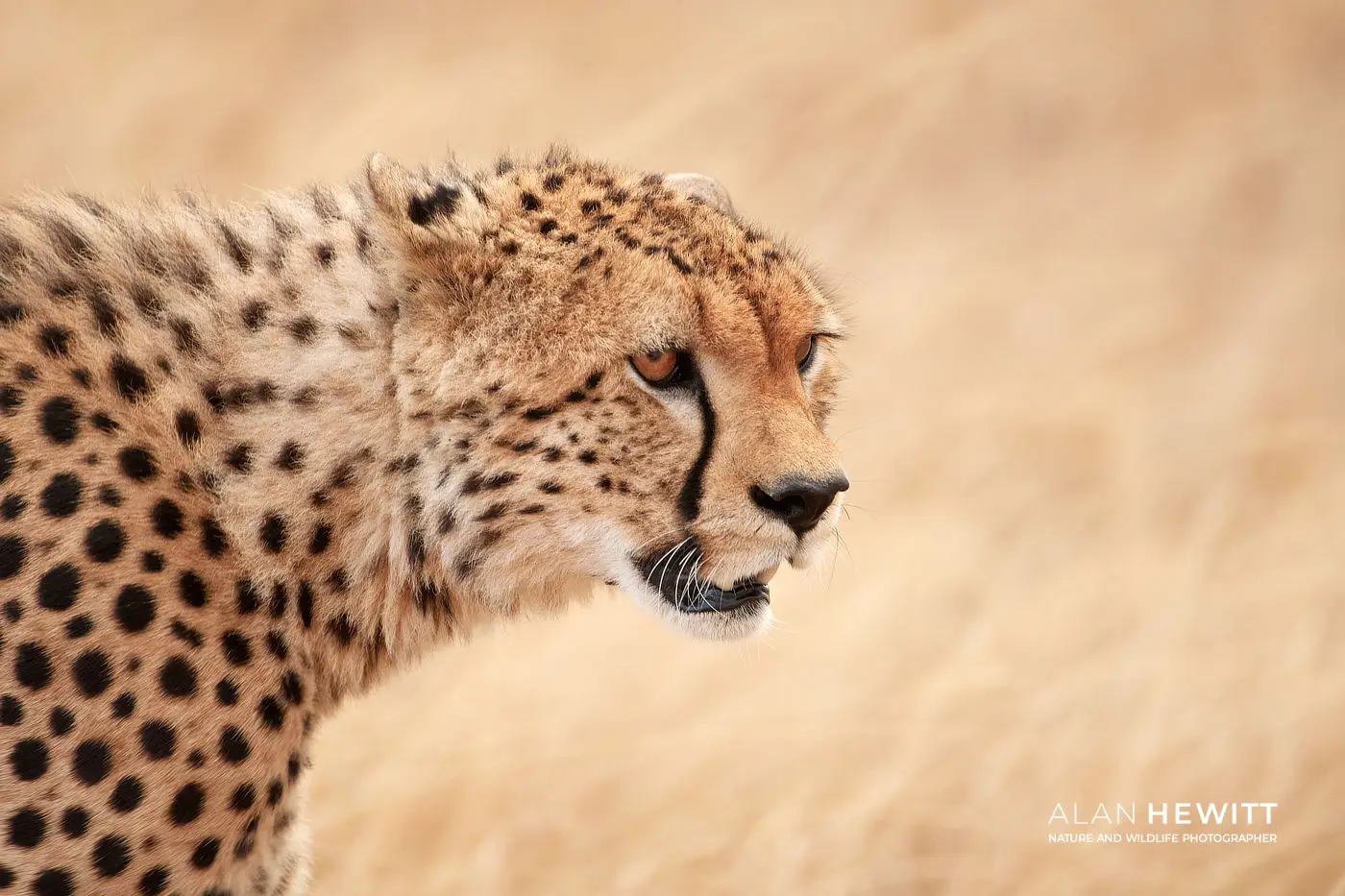
Male Cheetah, Ol Choro Conservancy
Let’s be honest, Cheetahs are the supermodels of the Mara. They’ve got it all: elegance, grace, and that unmistakable blend of power and fragility. They even seem to know how to pose in front of your camera! But beyond the glamour, they’re fascinating animals to watch and photograph for far deeper reasons.
From Blog Inspiration to Safari Adventure!
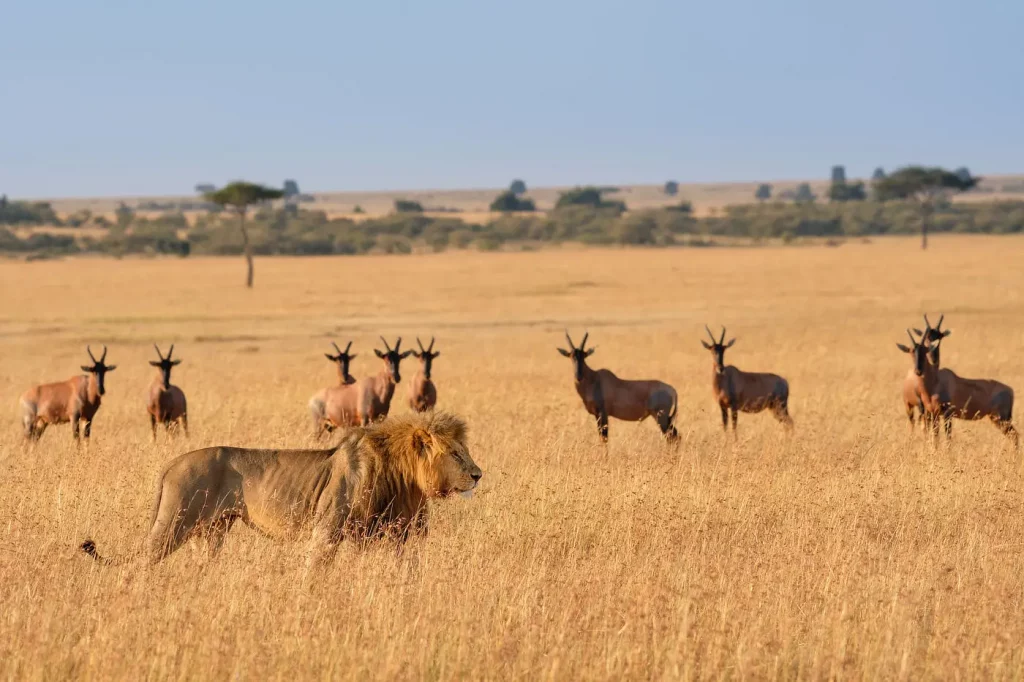
Wild at Mattikoko – The Great Migration
26th August 2027
7 or 11 nights available
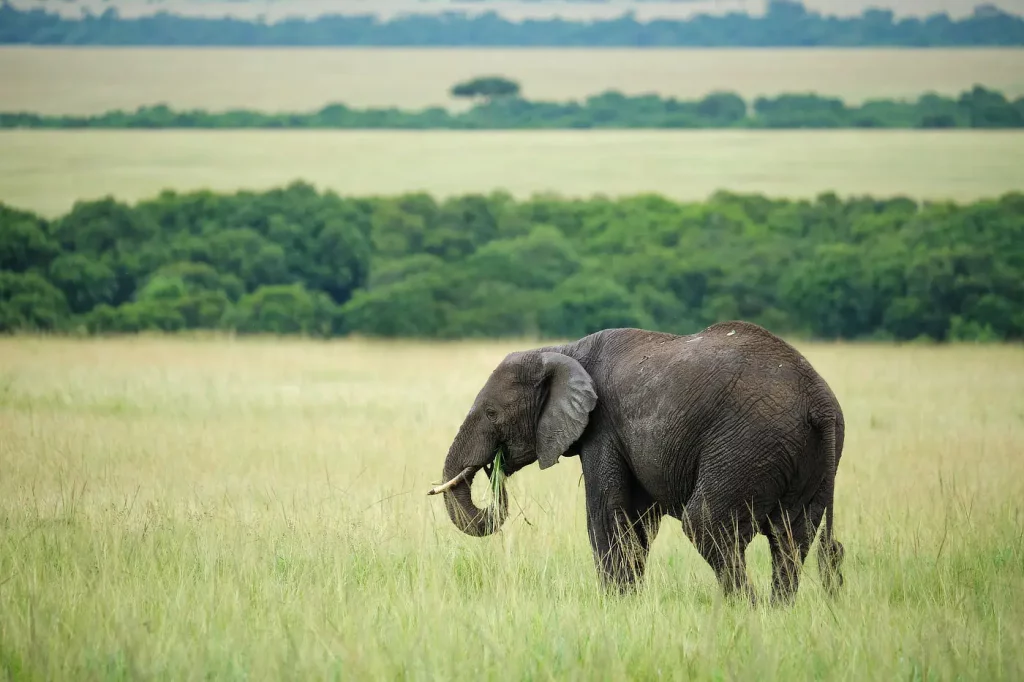
Wild at Mattikoko – The Green Season
March 2028 (TBC)
7 or 11 nights available
Supporting conservation and communities through ethical safaris. Join us on unforgettable photography safaris led by professional guides and photographers.
Risasi
We once spent time with a female known locally as Risasi. In Kiswahili (the Bantu language of much of East Africa), this means “bullet.” The name couldn’t be more fitting! We watched her stalk a Thomson’s Gazelle across open ground, then suddenly and deliberately angle her chase toward a nearby water channel. It seemed counterintuitive, Gazelles are nimble, after all, until it became clear she knew exactly what she was doing. The Gazelle couldn’t cross the water, and in the split second it had to change direction. Risasi had already prepared and adjusted perfectly, closing the gap with that extraordinary burst of speed. A masterclass in precision and pure instinctive strategy.
Evolution in Full View on International Cheetah Day
Moments like that show how remarkably adapted Cheetahs are. Every part of their anatomy is built for one purpose, speed. A lightweight frame, long flexible spine and rudder-like tail. Add oversized nostrils for oxygen intake and huge lungs plus their non-retractable claws for traction. It’s evolution laid bare in motion. They’re scientific name, Acinonyx jubatus translates roughly as “immobile nails”, a reference to the cheetah’s inability to retract its claws. You see those adaptations at work even when they’re not in full sprint. The way they move, the way they constantly scan their surroundings, the balance between alertness and calm.
Kisaru
Kisaru holds a special place in our safari history. We saw on many occasions, usually with her cubs. She had exceptionally good record of raising cubs to adulthood, significantly bucking the trend of high mortality rates.
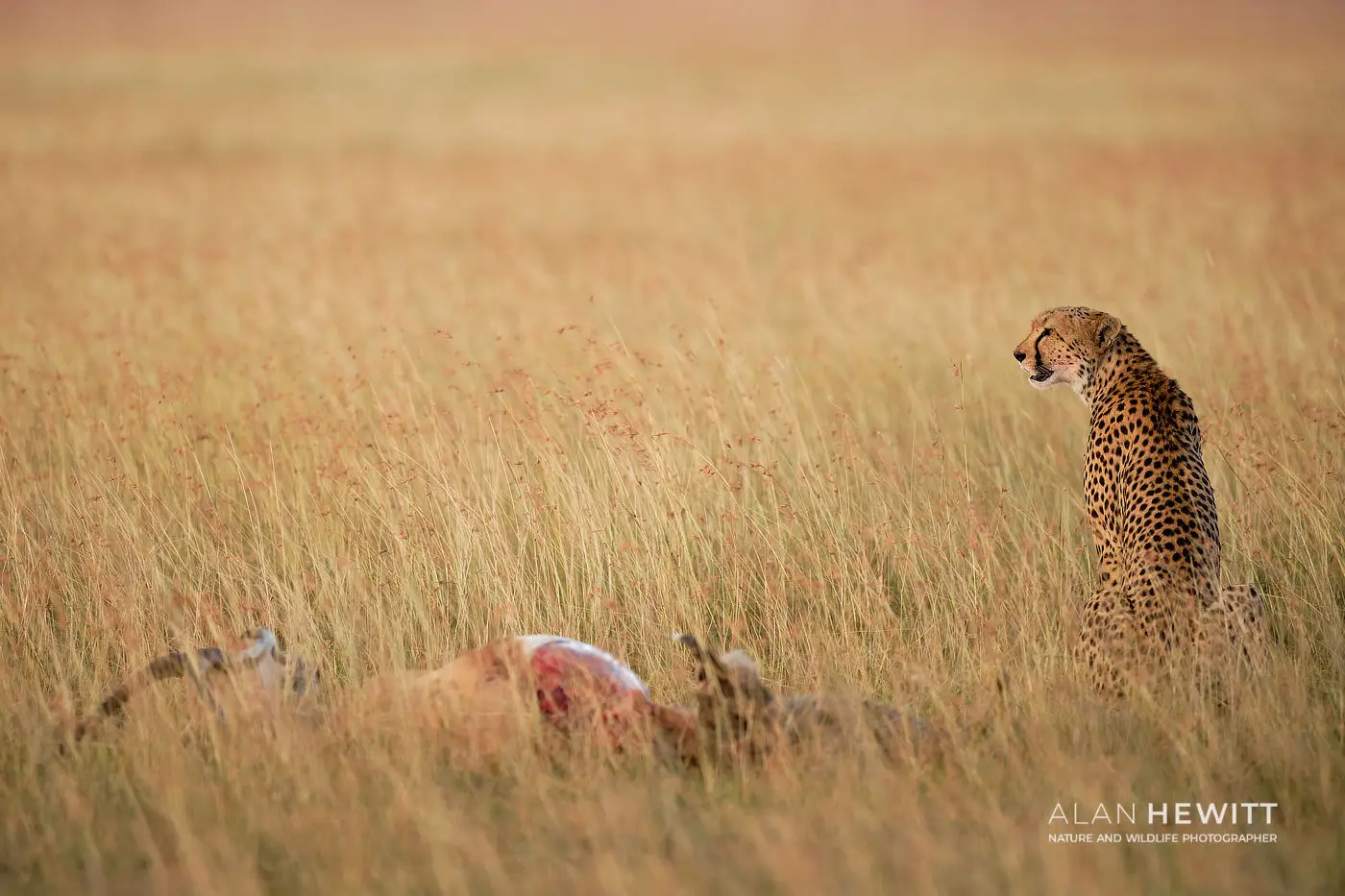
Female Cheetah Kisaru on the lookout, Lemek Conservancy.
Kisaru had six cubs when we were there in 2019. She is the grand-daughter of Maliaka, made famous by the BBC.
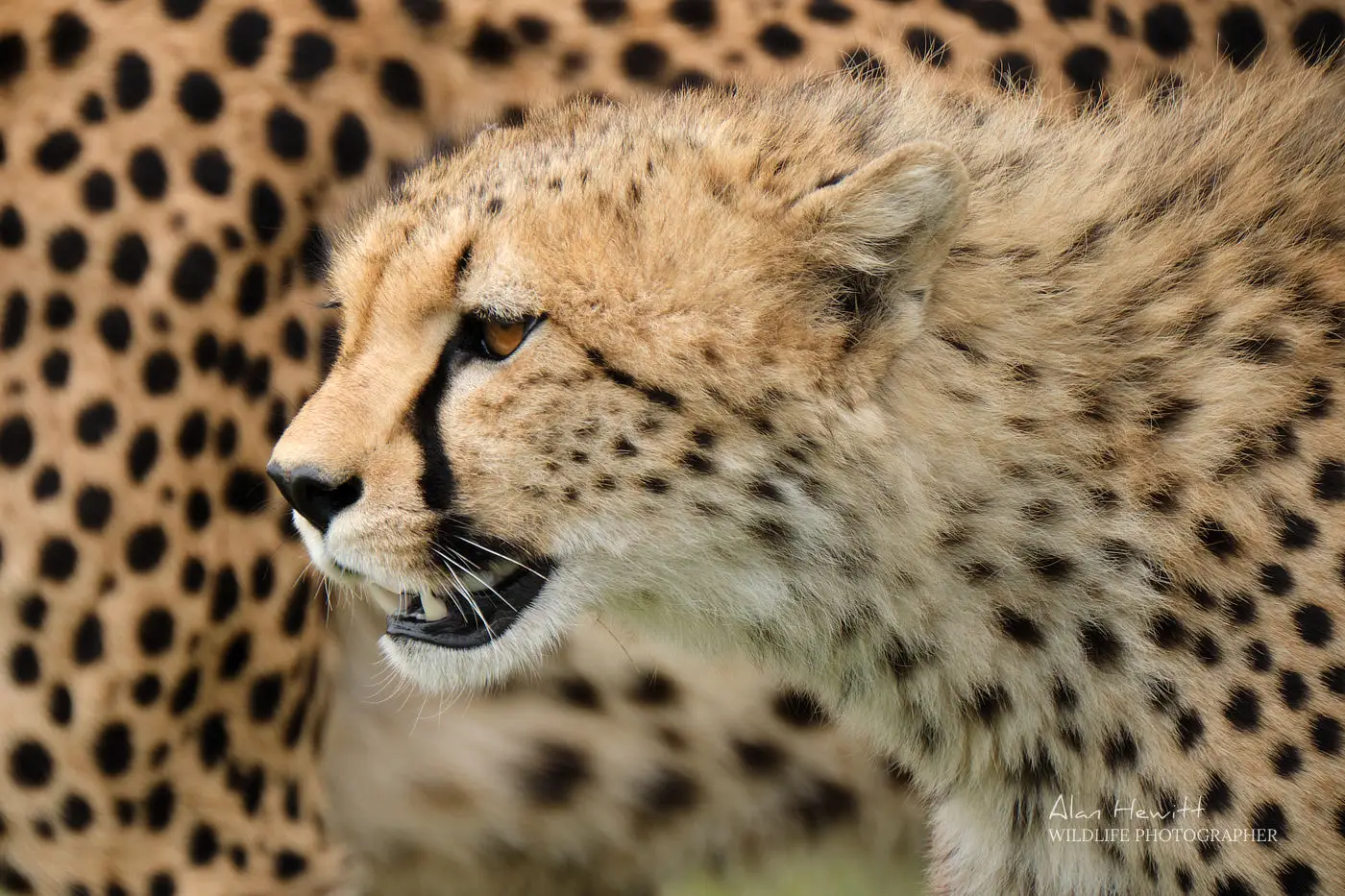
Juvenile cheetah, one of Kisaru’s sons in Ol Choro Conservancy. Malaika’s dynasty continues!
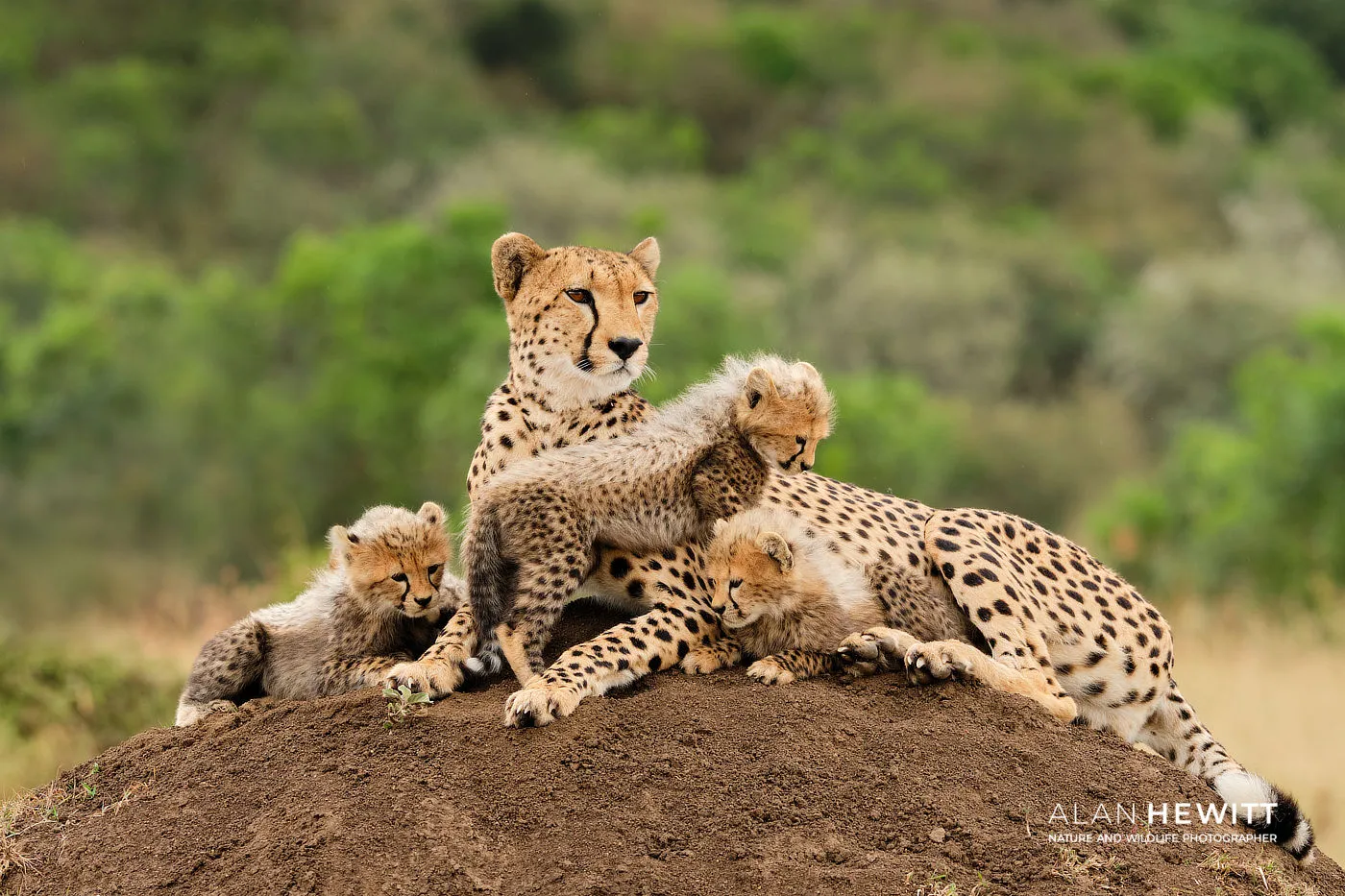
Kisaru with three of her six cubs in 2019 in Lemek Conservancy
Cheetah cubs are fascinating too, and it has to be said, unbelievably cute! When they’re young, cheetah cubs have long silvery mantles of fur along their backs, making them look surprisingly like honey badgers from a distance. It’s thought to be a form of mimicry, a visual deterrent that helps protect them from predators during those vulnerable first months. It’s clever, beautiful, and a reminder that nature rarely wastes a good idea.
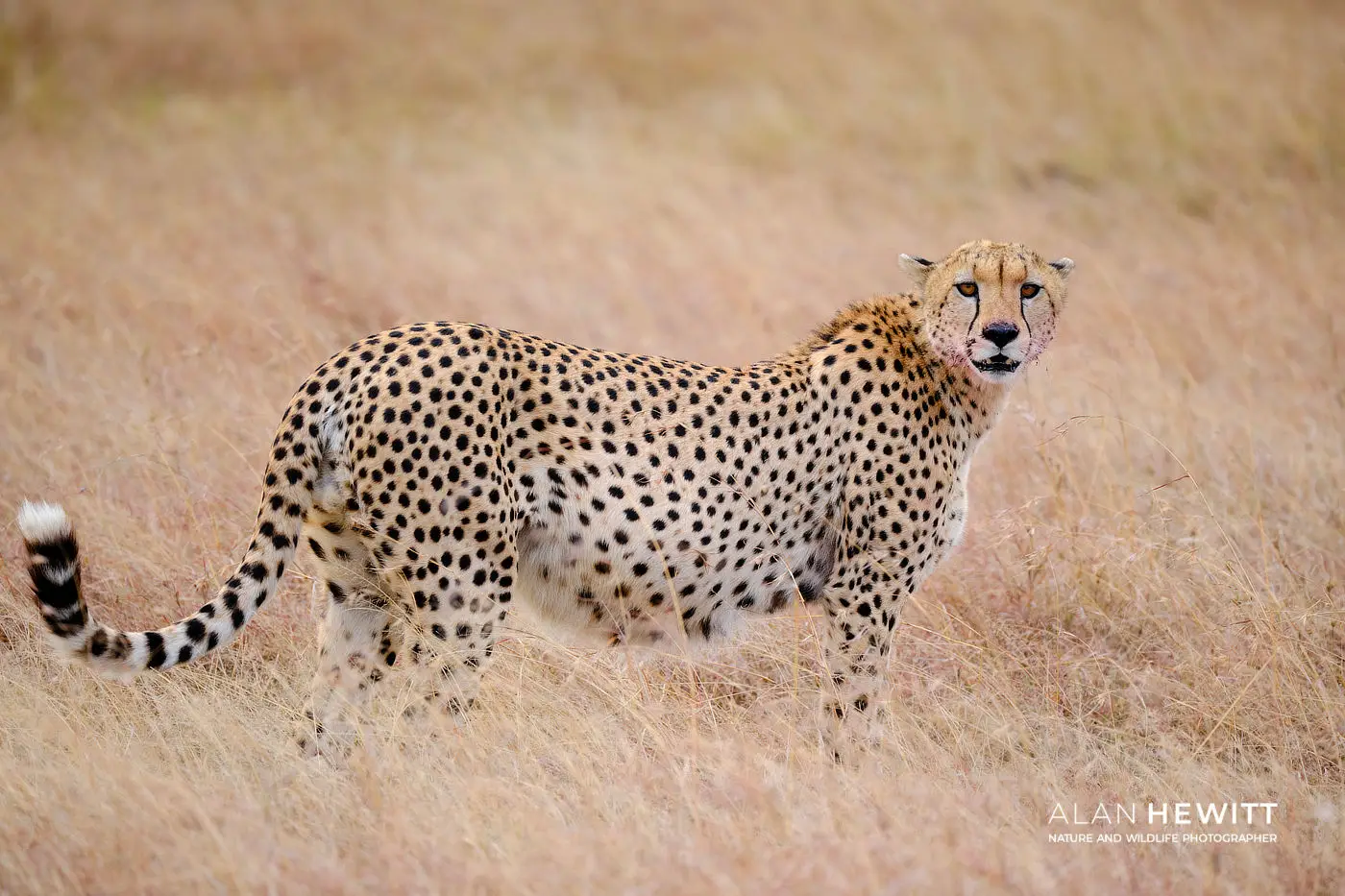
Cheetah, Lemek Conservancy
No, not Just Because it is International Cheetah Day!
So yes, if you ever find yourself in one of my talks and you’re tempted to ask that favourite-animal question, don’t worry, I won’t roll my eyes. The truth is, I love them all. But if you press me, I’ll smile and admit with enthusiasm and plenty of nerding, it’s the cheetah. The sleek, highly-evolved, strategic and irresistibly photogenic supermodel of the Mara.
Let us know your favourite animal to photograph and feel free to rip my choice apart, International Cheetah Day or not!
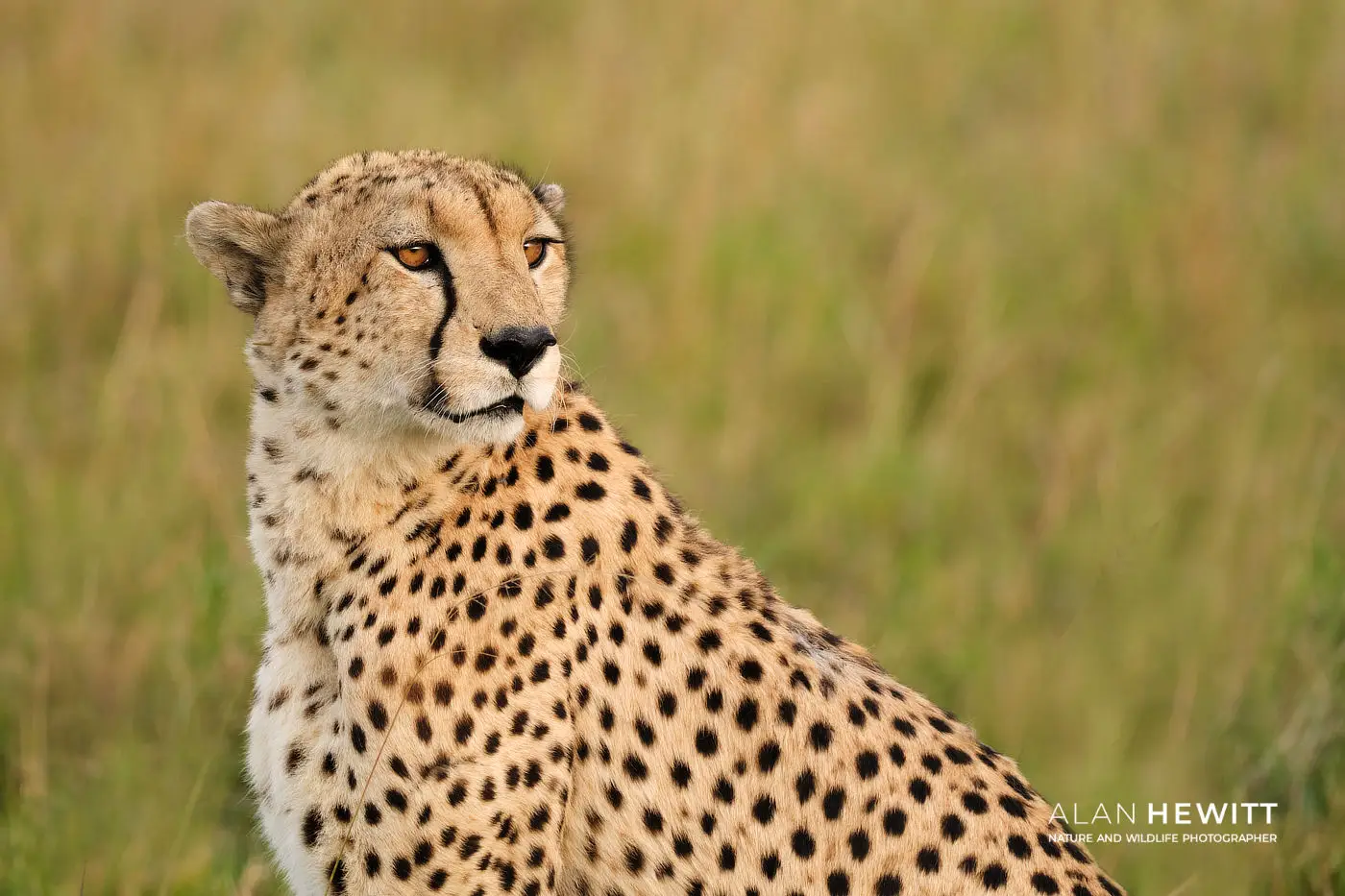
Milele, male Cheetah, Lemek Conservancy.
Milele was one of a two male coalition with his brother, Mbili. Together their names mean “Two Forever” in Swahili (Mbili = Two; Milele = Forever).
Female Cheetah Kisaru has been a regular subject on various episodes of our African Photography Safaris Podcast.


Leave a Reply