


The safari industry is awash with buzzwords; “eco,” “green,” “sustainable,” “responsible.” Too often they’re used loosely, or worse, to justify mass tourism that overwhelms fragile habitats. The truth is simple. Larger camps means more vehicles and an increase in disruption and human / wildlife conflict. We create responsible photography safaris by putting sustainability and ethics at the forefront of everything we do.
Beyond the Buzzwords: What a Responsible Photography Safari Really Means
The most memorable photography safaris are simple, where wildlife behaves naturally and the landscape remains undisturbed. Responsible photography safaris isn’t a slogan! It means leaving no negative trace while actively and tangibly supporting wildlife, habitat, and the people who depend on this. We believe smaller camps and carefully designed itineraries don’t just create better photographic opportunities, they foster a deeper connection to the wild and a more meaningful understanding of what true sustainability looks like.
Luxury Isn’t About Numbers, It’s About Connection
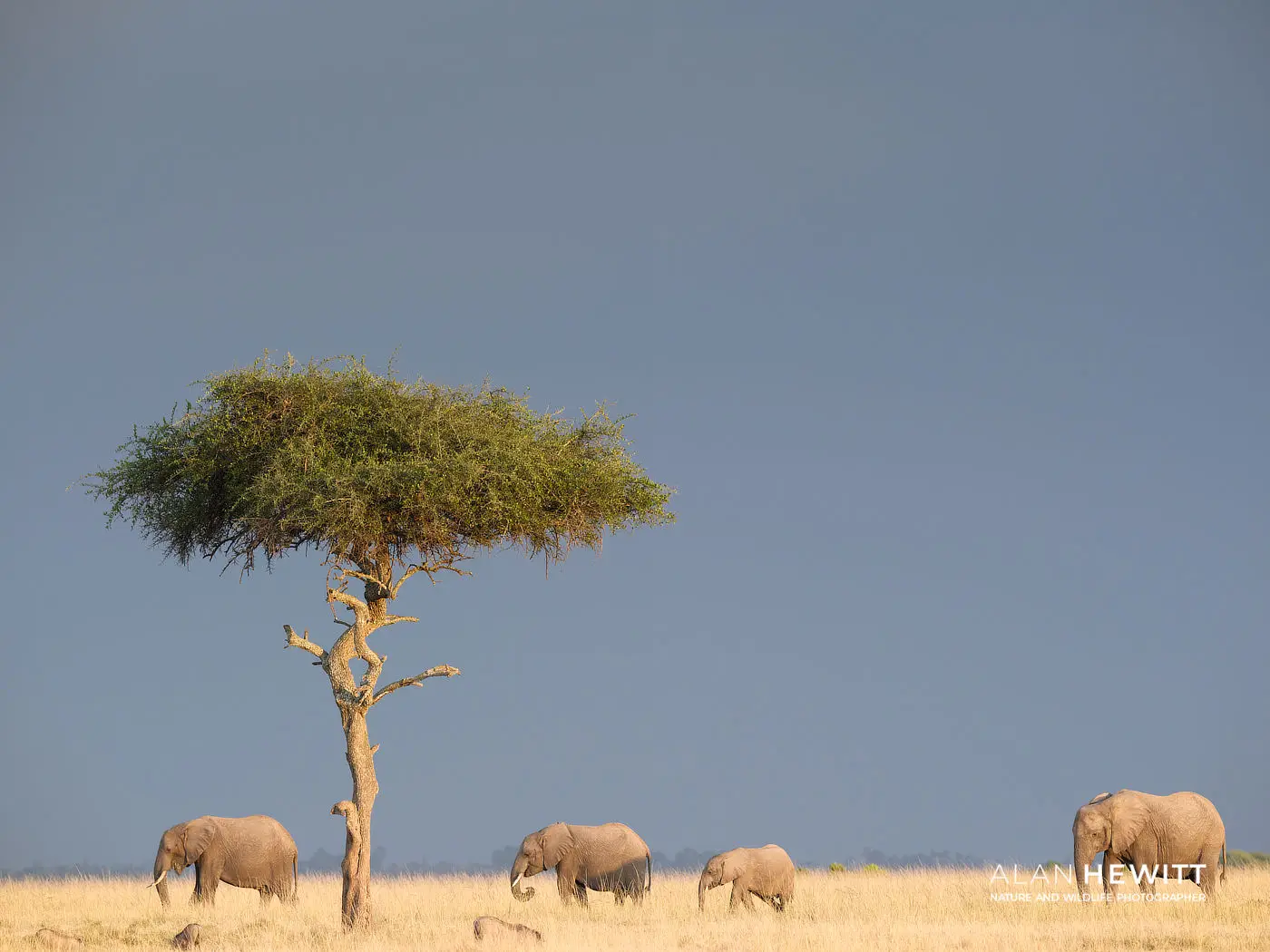
Elephants and balanite tree, Lemek Conservancy (near Mattikoko Safari Camp)
Luxury on safari shouldn’t be defined by marble bathroom suites, over-sized swimming pools in areas where water is scarce, or silver dinner service and a personal butler. For us, the true luxury in the wilderness is a state of mindfulness. It is about having space, peace and time to connect with wildlife, habitat, and the people who deinfe your experience. This is a luxury in today’s world.
Some lodges and camps accommodate dozens, even over a hundred guests at a time. To manage that many visitors, they need multiple vehicles following every sighting. Staff are spread thin across the and rigid schedules keep everyone on the move. The result? Wildlife stressed by crowds, fleeting photographic opportunities, and a sense of being on a conveyor belt rather than in the bush.
Smaller camps, often 10 to 20 guests or less, operate with far fewer vehicles. One sighting might have just 3 or 4 vehicles in the vicinity, allowing for much calmer and more natural wildlife behaviour and more memorable photography. Service is attentive and personalised, and the natural sounds of the bush allows guests to absorb the moment fully. In this sense, luxury isn’t about the size of your suite or the pillow menu, it’s about the richness of your experience. And yes, I have worked at a lodge where there was a pillow menu. Honestly, I didn’t know whether to laugh or cry!
From Blog Inspiration to Safari Adventure!
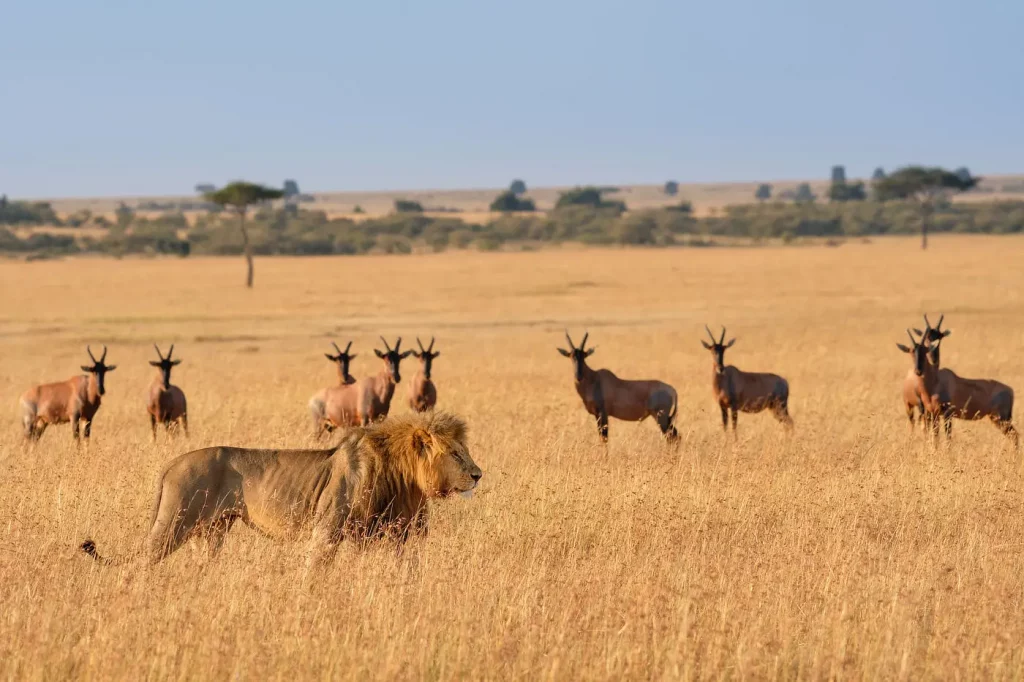
Wild at Mattikoko – The Great Migration
26th August 2027
7 or 11 nights available
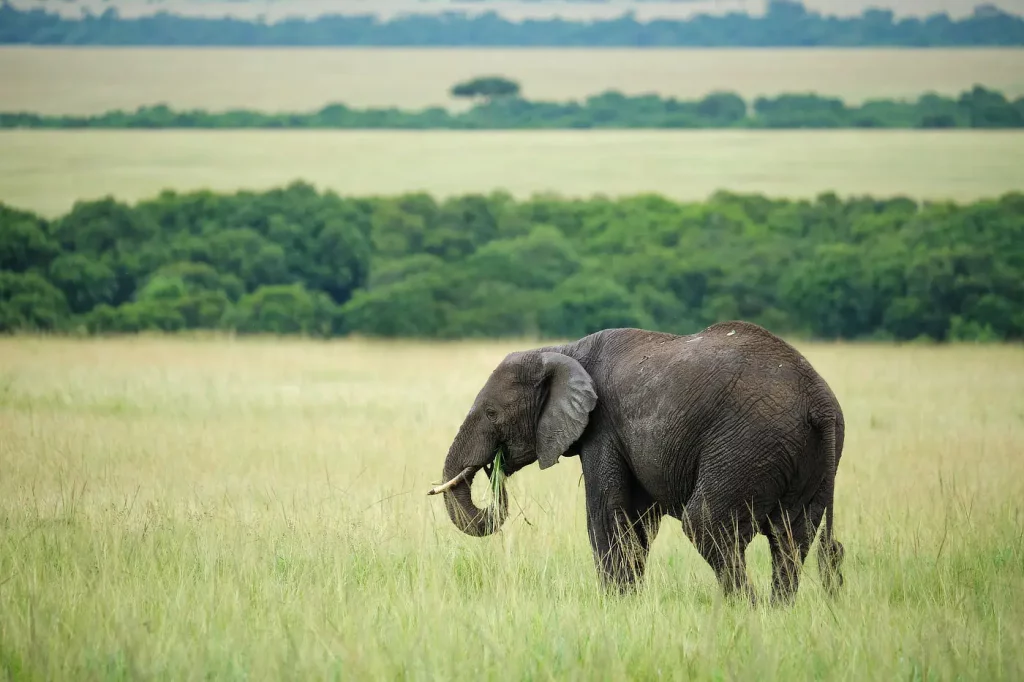
Wild at Mattikoko – The Green Season
March 2028 (TBC)
7 or 11 nights available
Supporting conservation and communities through ethical safaris. Join us on unforgettable photography safaris led by professional guides and photographers.
The Lasting Impact of Responsible Choices
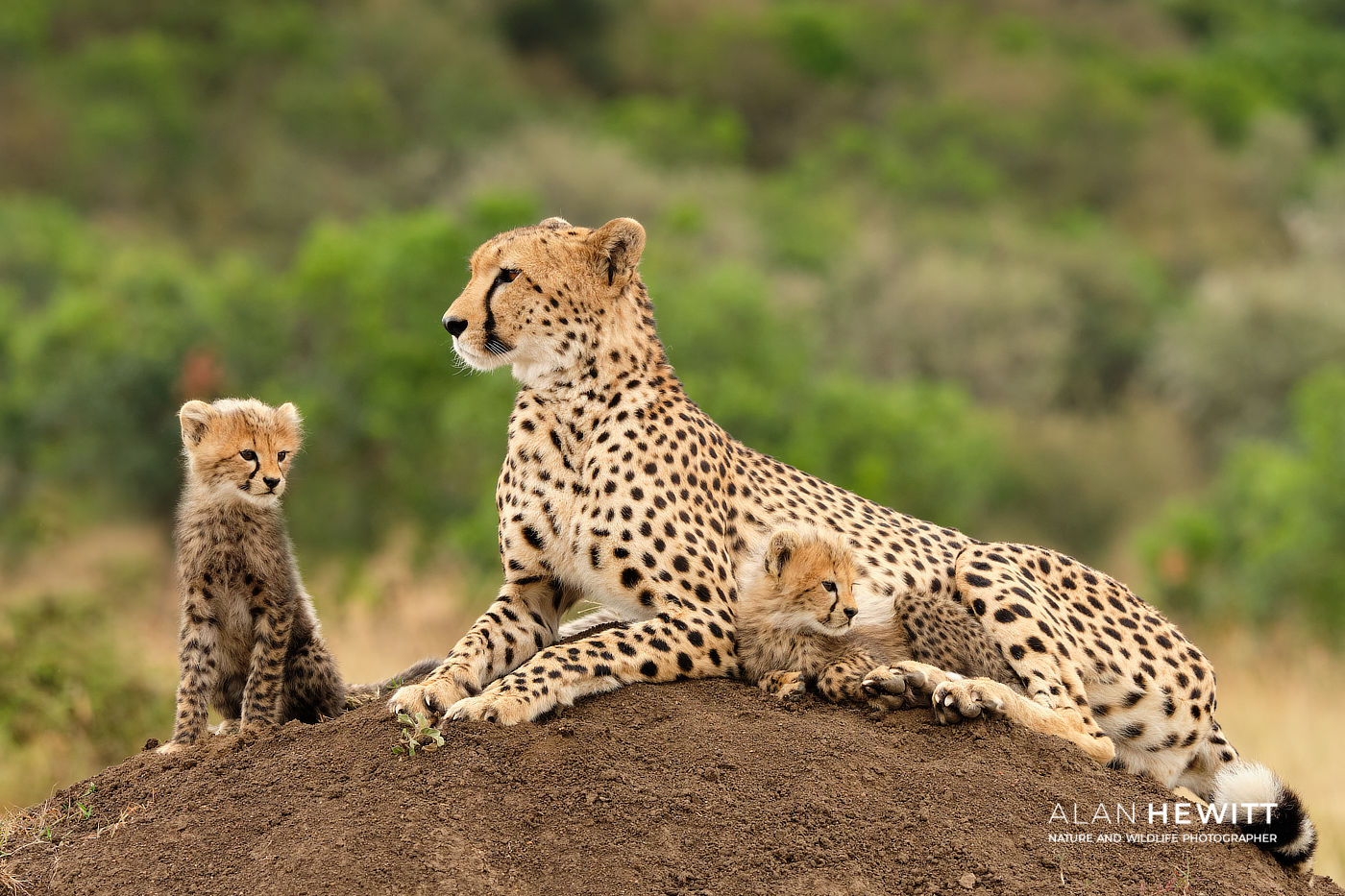
Cheetah & Cubs. Fact: More cheetah cubs are successfully raised to adulthood in the Mara Conservancies than the Maasai Mara National Reserve.
Choosing camps in private conservancies and reserves, limiting vehicle numbers, and engaging with operators who actively support conservation and local communities isn’t just ethical, it creates a safari with meaning. Wildlife can behave naturally, photography is more rewarding, and your visit contributes directly to local community employment, education, and conservation initiatives. At African Photography Safaris, our guests see firsthand the legacy their presence leaves: from supporting the Mara Predator Conservation programme to rhino protection initiatives, and ensuring communities benefit from tourism in practical ways.
Ultimately, responsible photography safaris enhances the experience in ways that matter most. It’s not just about seeing more animals, it’s about seeing them behave naturally, photographing them in serenity, and knowing your journey contributes to something larger than yourself. A smaller, quieter safari isn’t a compromise; it’s a richer, more meaningful adventure.
If you’re ready for a safari that combines stunning wildlife photography, ethical engagement, and lasting impact, get in touch. We’ll help you experience a trip that leaves a positive mark on the wild, and on you.

Leave a Reply