



Step into the wild heart of Africa, where every day brings the chance to witness nature’s most amazing avian spectacles. Imagine spotting a lilac-breasted roller flashing across the savannah then a ‘committee’ of vultures in a tree, camera in hand, ready to capture the moment forever. African bird photography isn’t just about taking pictures, it’s about experiencing the discovery, the patience of observation, and the joy of connecting with incredible species. In this blog post, we’ll show you some of the incredible birds you simply must see and photograph, turning every safari into an unforgettable adventure.
Lilac-breasted Roller – African Bird Photography #1 Spot
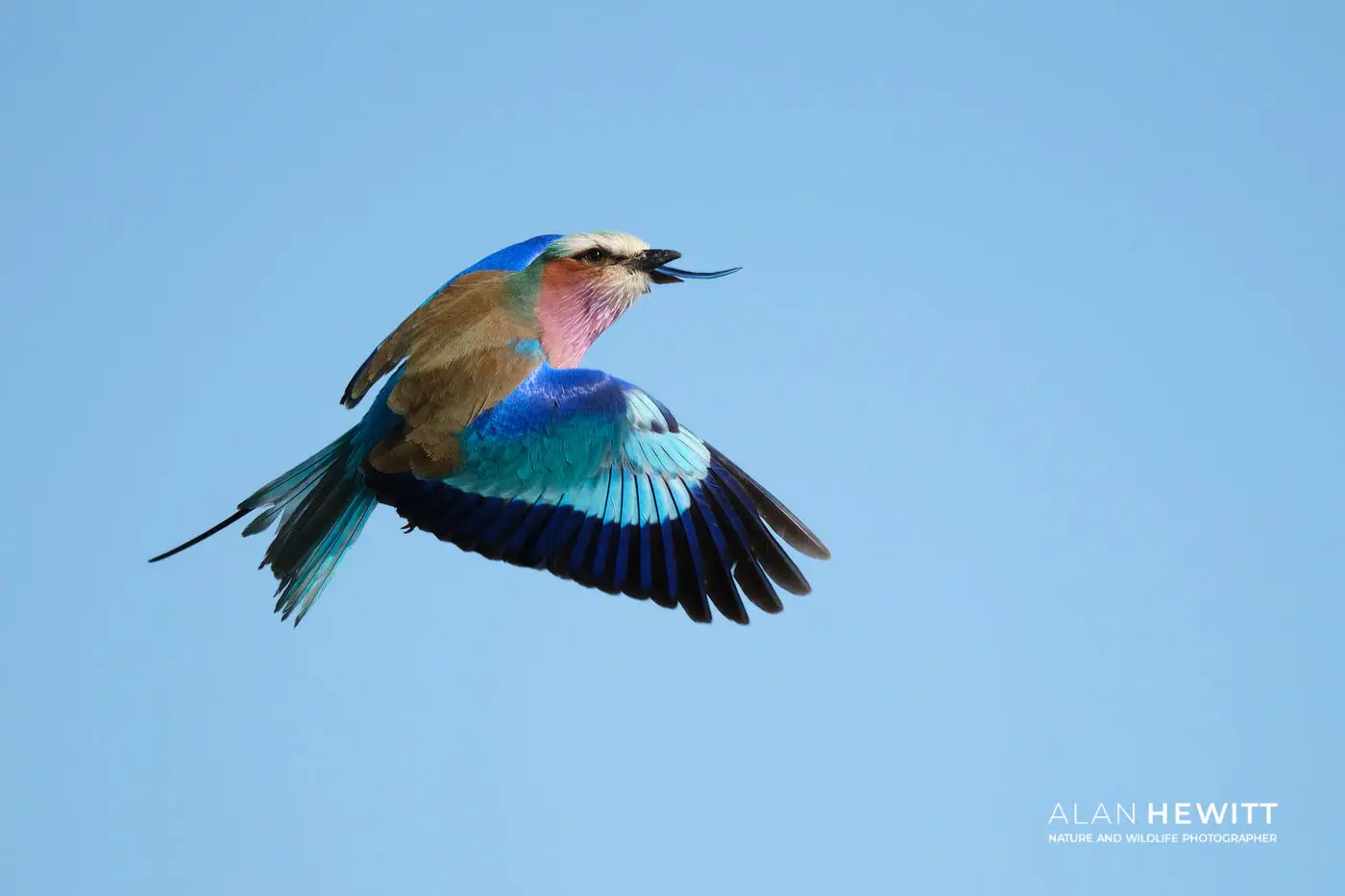
Lilac-breasted Roller
The Lilac-breasted Roller is always an African bird photography favourite! When the light is right, it is hard to resist stopping for a chance to photograph these beautifully coloured birds. It is often called Africa’s most photogenic bird, and for good reason! Its plumage combines many different colours, from turquoise and lilac to emerald and rust.
During courtship or territorial displays, it performs spectacular mid-air rolls and dives, the source of its name. With wings spread, it becomes a favourite subject for in-flight photography.
Little Bee-eater
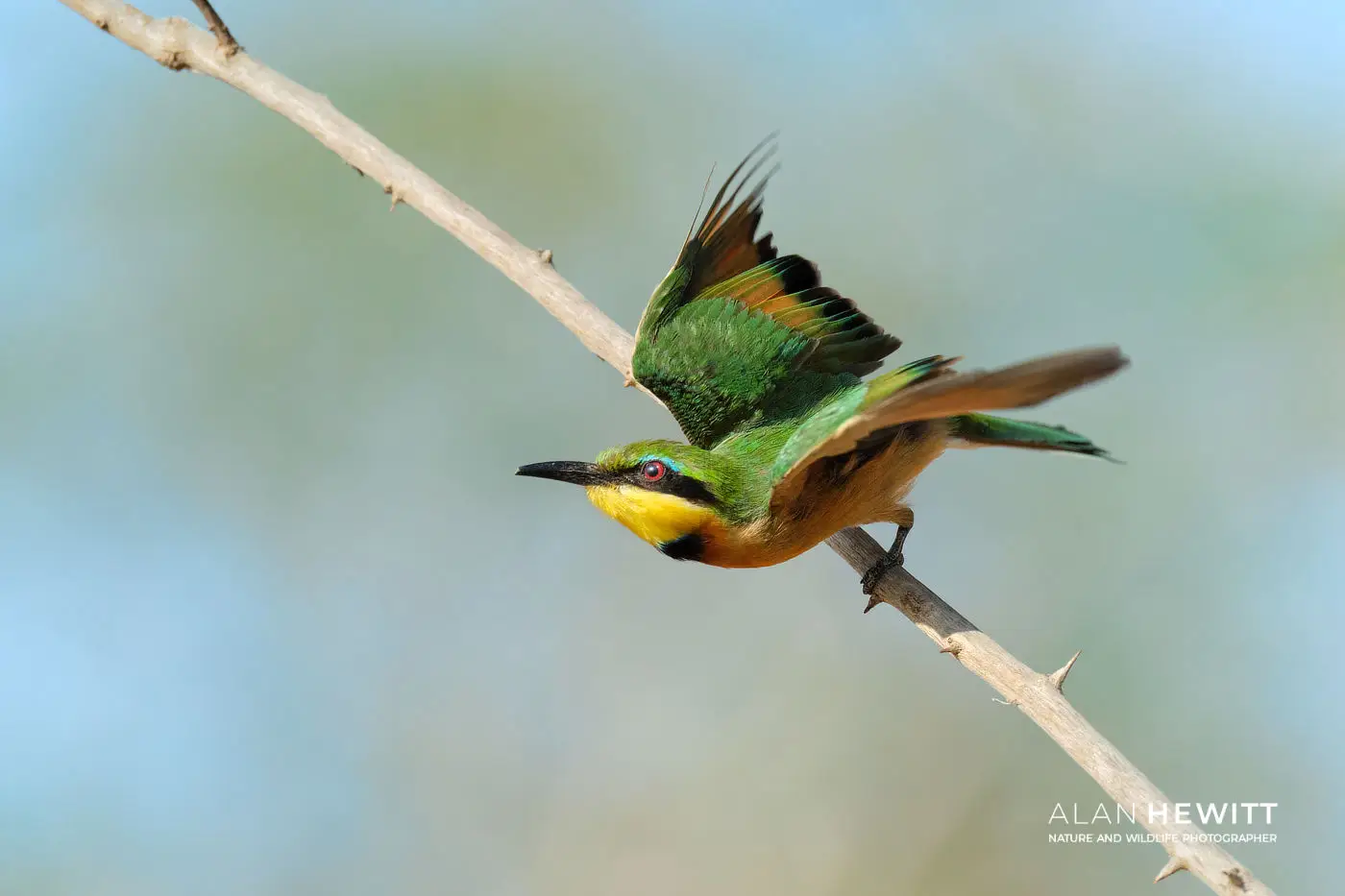
Little Bee-eater
This diminutive predator is a master of aerial acrobatics, snatching bees and other insects mid-flight with pinpoint precision. It returns to its perch to carefully remove the sting before devouring its catch. Like other bee-eaters, they have a level of immunity against venomous stings from insects.
Southern Ground Hornbill
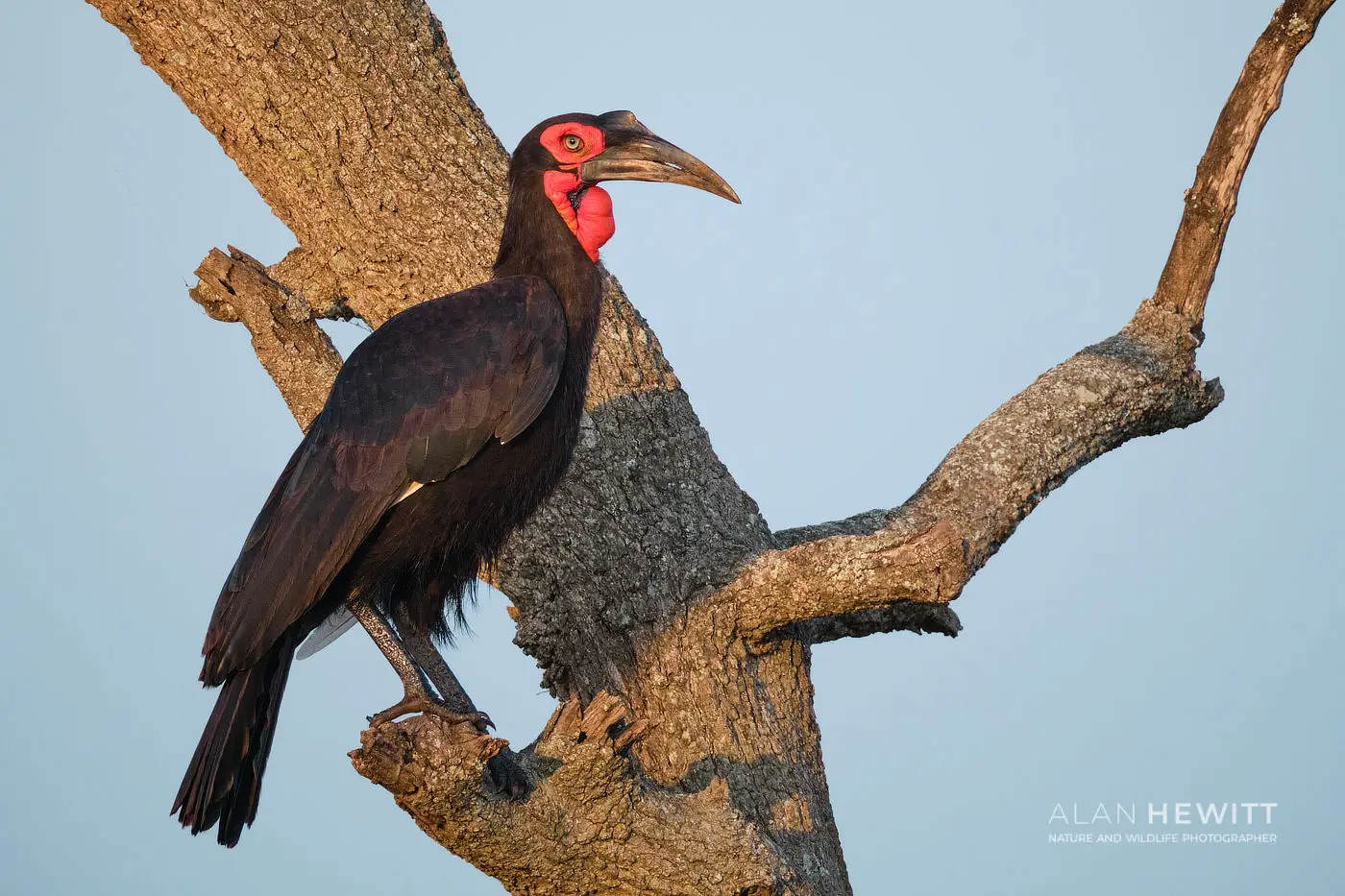
Southern Ground Hornbill
The Southern Ground Hornbill is an unmistakable giant of the African savanna with striking black feathers, vivid red wattle and facial skin, and a wingspan that can reach nearly two metres.
These powerful birds can live up to around 50 years old in the wild. Young males stay with their parents for nearly 10 years. They’re great to watch and photograph as they move through the vegetation hunting for insects, amphibians, small birds, and mammals.
African Hoopoe
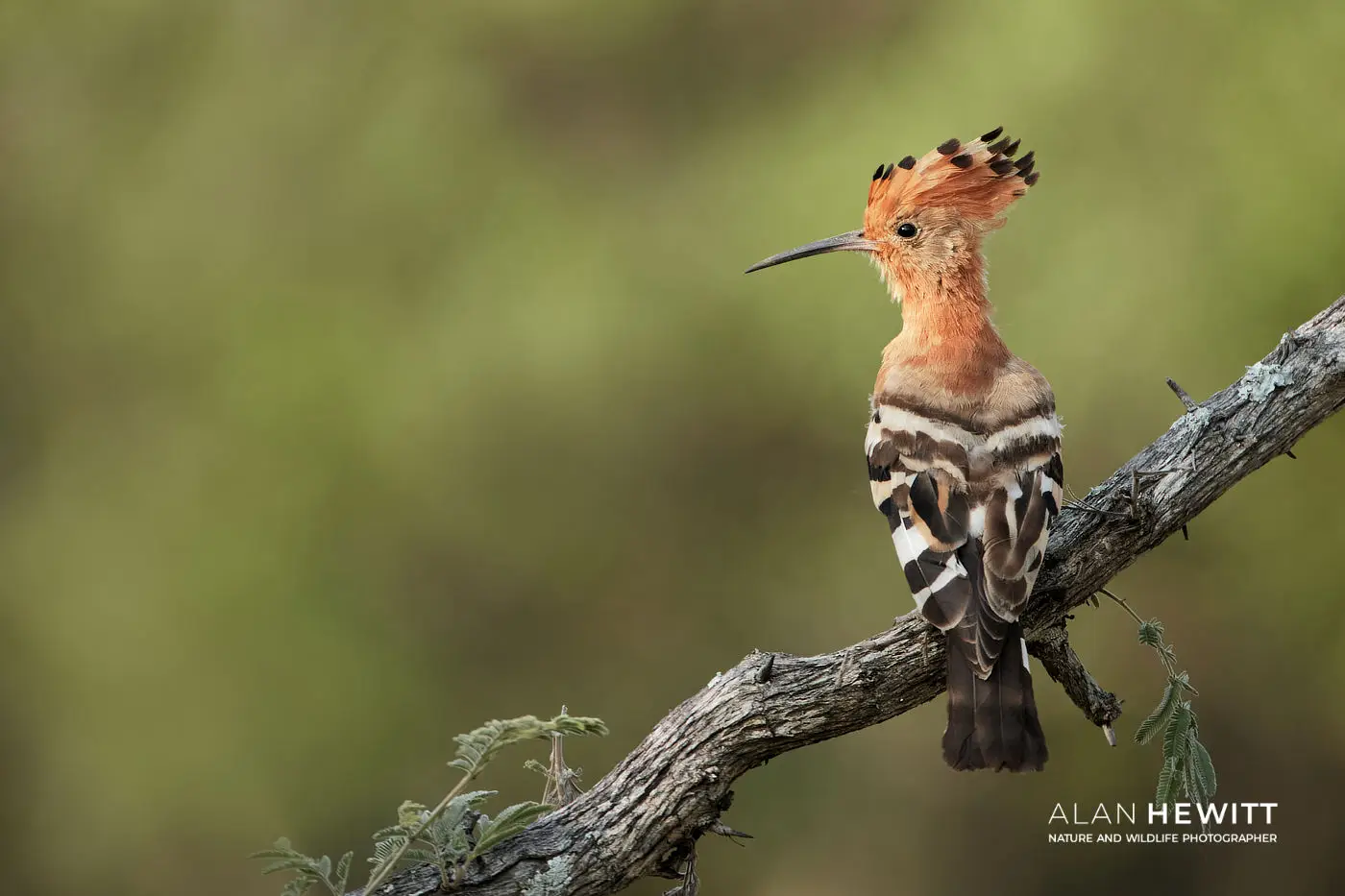
African Hoopoe
Easily recognisable with its dramatic crest but not to be confused with its Eurasian cousin, which has more obvious white flecks between the cinnamon-coloured crest and black tips. It uses its long bill to probe soil and leaf litter for insects and squirts a foul-smelling liquid from its uropygial gland, deterring predators from eggs or chicks.
From Blog Inspiration to Safari Adventure!
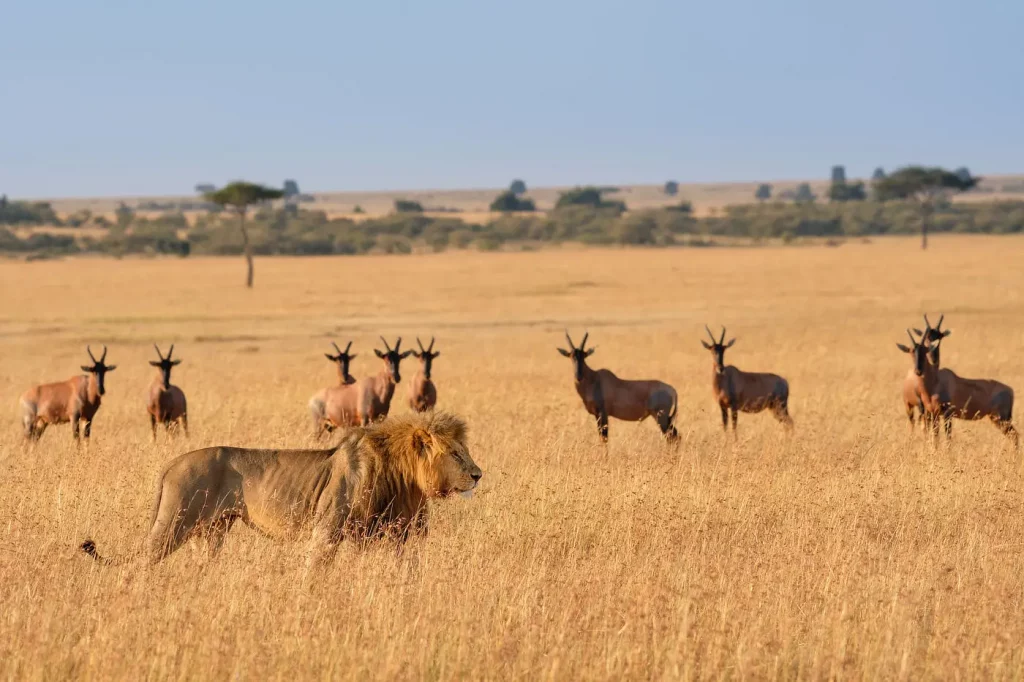
Wild at Mattikoko – The Great Migration
26th August 2027
7 or 11 nights available
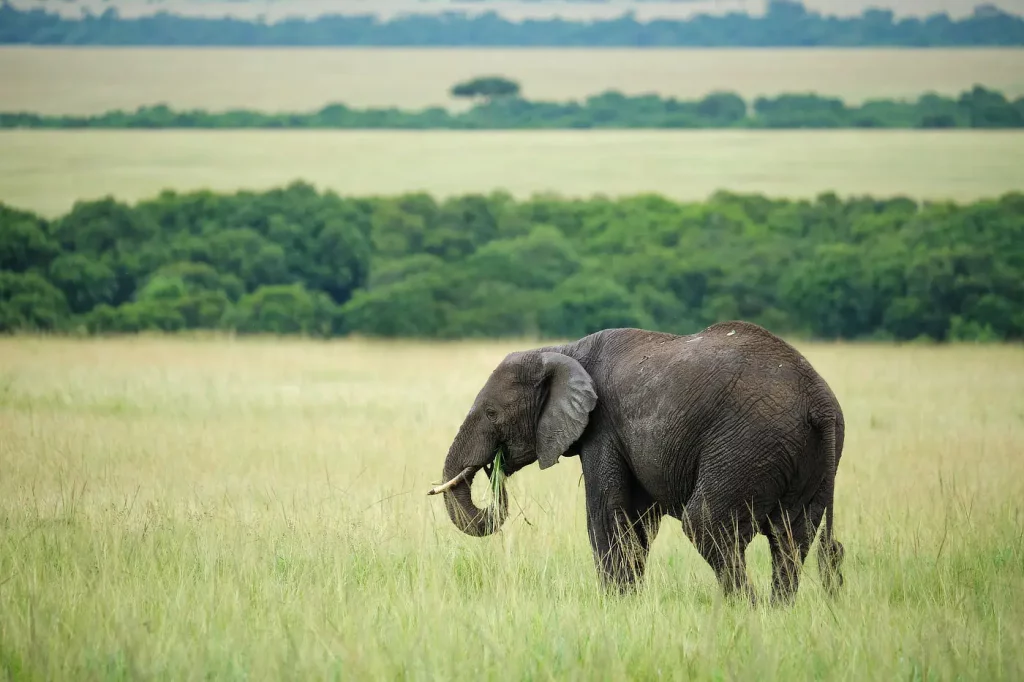
Wild at Mattikoko – The Green Season
March 2028 (TBC)
7 or 11 nights available
Supporting conservation and communities through ethical safaris. Join us on unforgettable photography safaris led by professional guides and photographers.
White-fronted Bee-eater
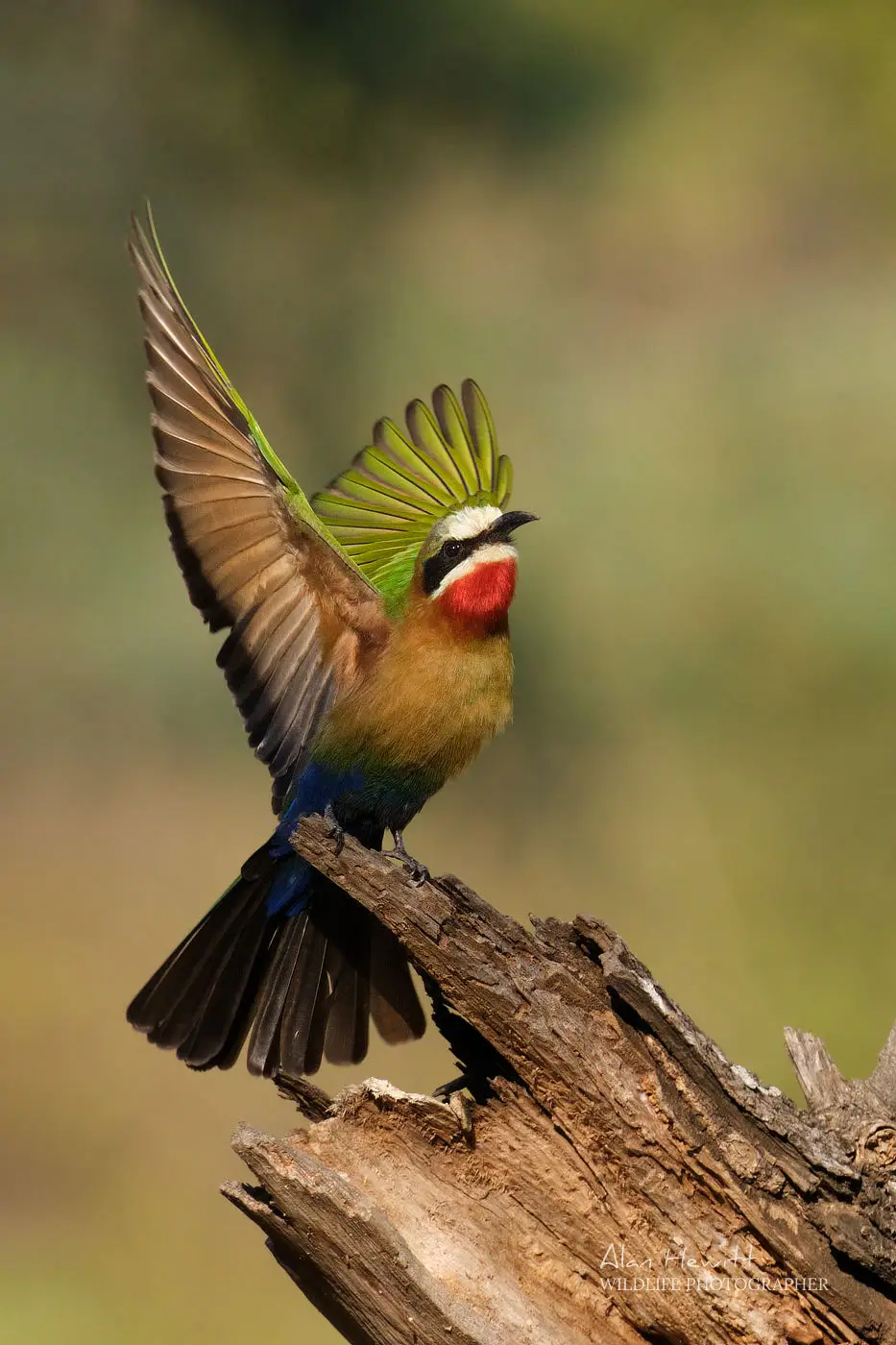
White-fronted Bee-eater
The White-fronted Bee-eater lives in large, noisy colonies nesting in sandy riverbanks. They form a lively community where birds take turns feeding one another’s chicks and sounding alarms when danger approaches.
Photographing them in action is a challenge! Use pre-shot, high frame rates, and a very fast shutter speed.
Lappet-faced Vulture
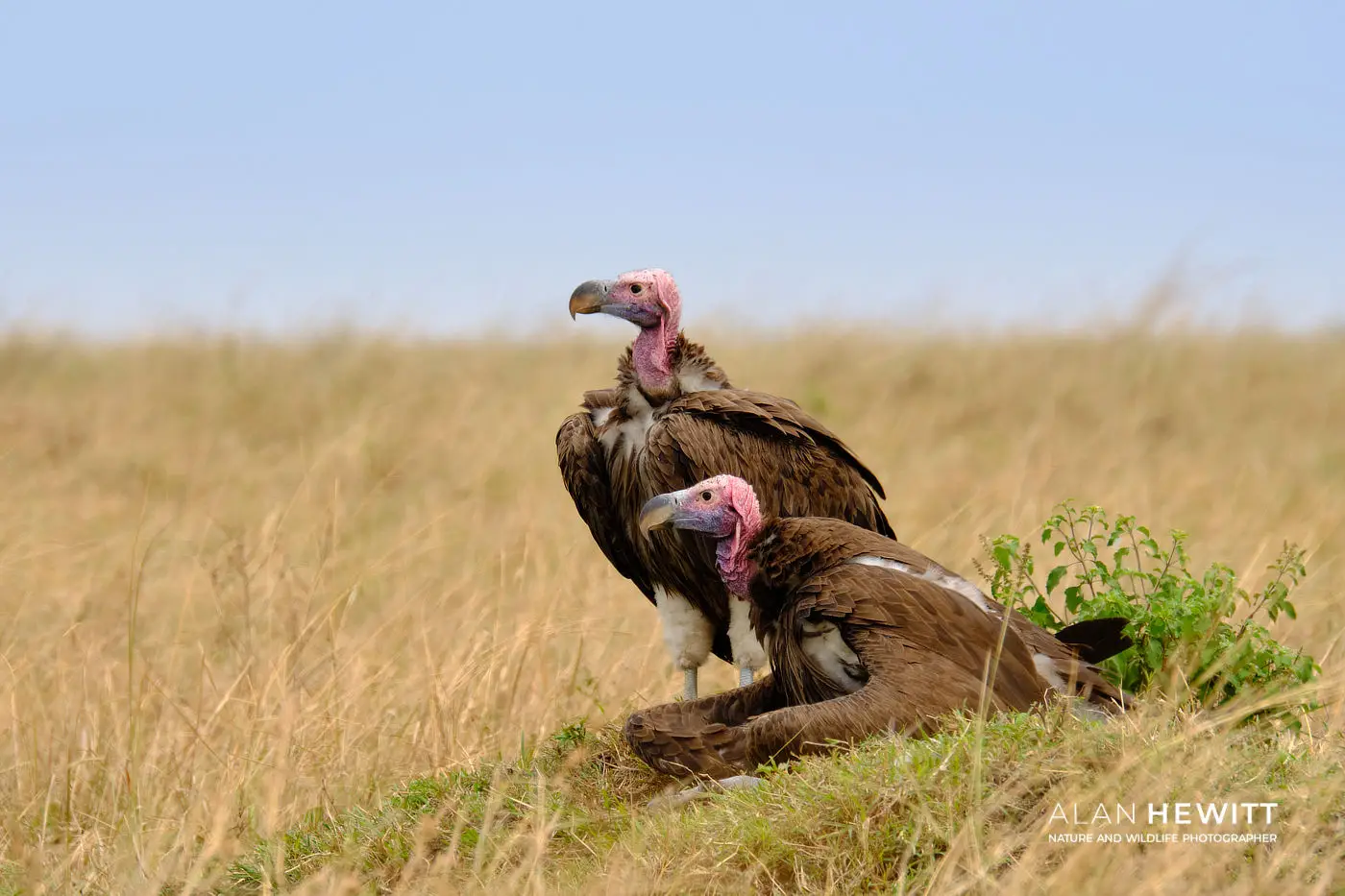
Lappet-faced Vulture
The Lappet-faced Vulture is one of sub-Saharan Africa’s most captivating Old World Vultures. With a massive wingspan, around 2.8m, a bald pink head, and dramatic neck lappets, it looks almost prehistoric. It often dominates carcasses, tearing open thick hides that smaller scavengers cannot. Great to watch and photograph!
Marabou Stork – African Bird Photography Ugliest
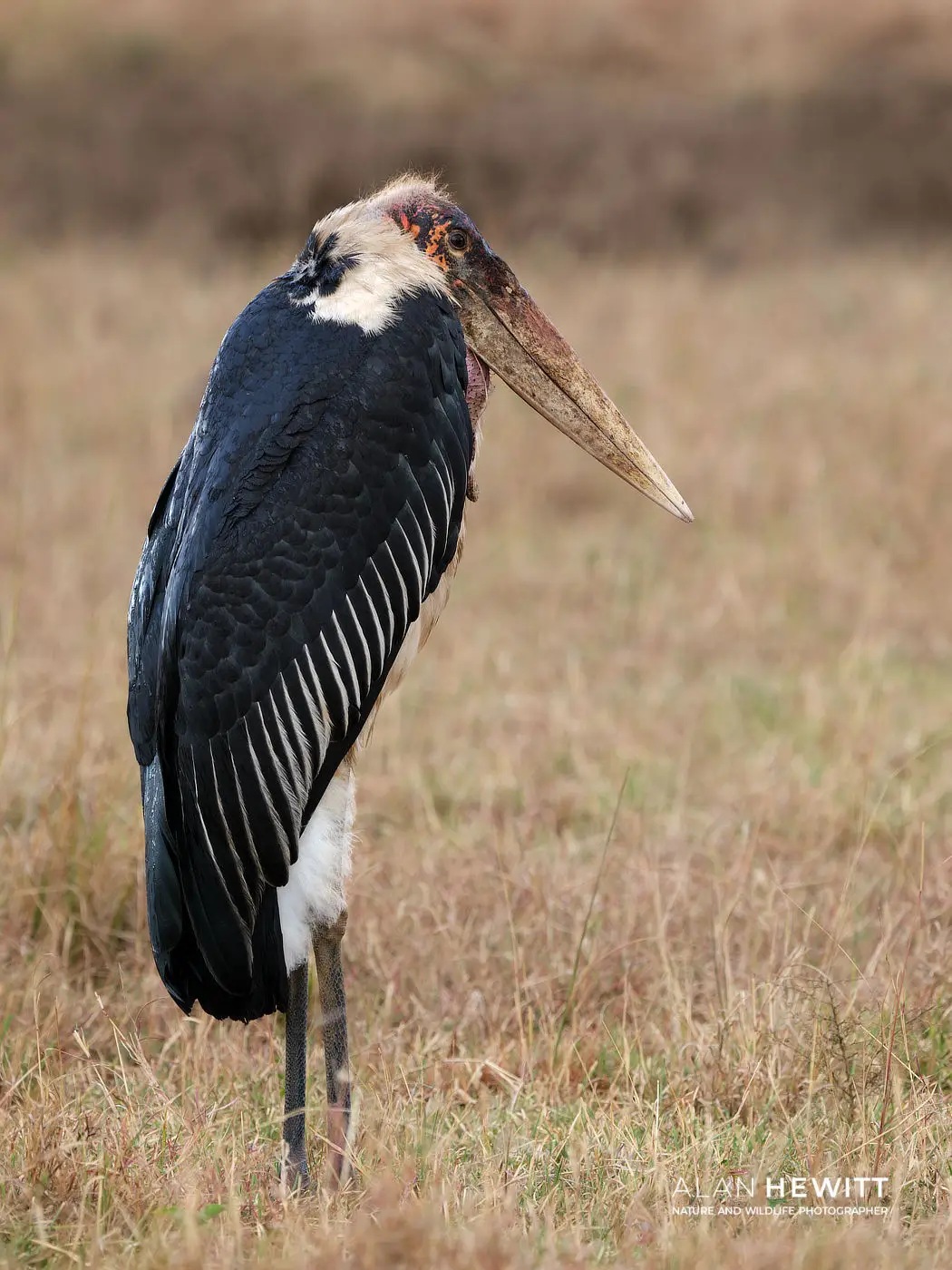
Marabou Stork
We normally don’t anthropomorphise like this, calling a bird ugly. But the fact is, it just is ugly!
The Marabou Stork is also Africa’s largest and most unusual-looking stork, standing up to 1.5–1.8 metres tall with a huge wingspan of 2.7–3.2 metres. Its bald head, sagging throat pouch, and massive wings give it a prehistoric appearance.
Often seen perched atop trees or scavenging near carcasses, it is both a ferocious opportunist and an elegant flyer.
Superb Starling
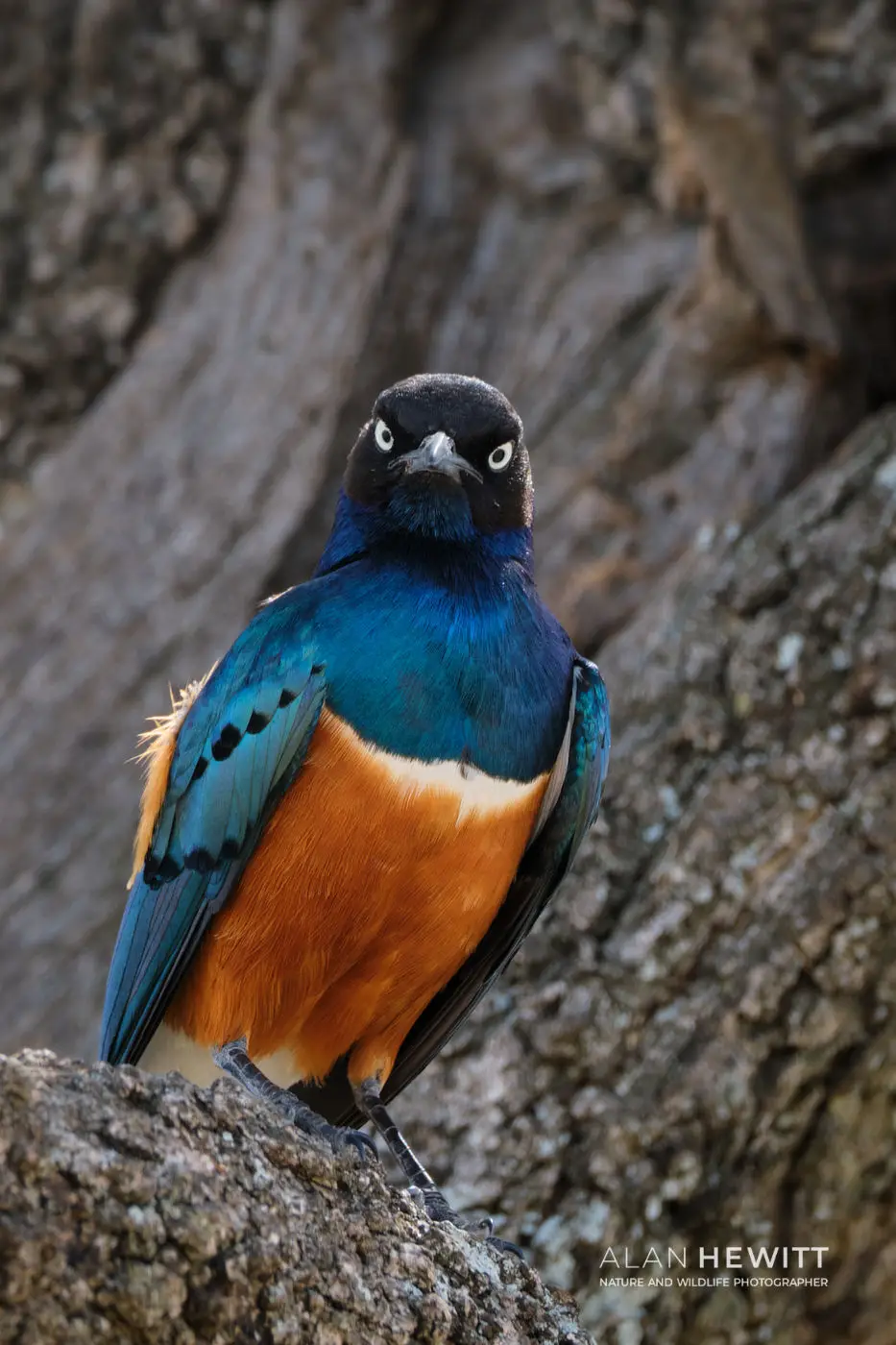
Superb Starling
Definitely a photographer’s favourite with its brilliant metallic blue back, orange-chestnut belly, and white chest band that catches the light perfectly. Highly social, it moves in noisy, lively flocks, easily attracted to human settlements and lunch spots!
White-browed Coucal
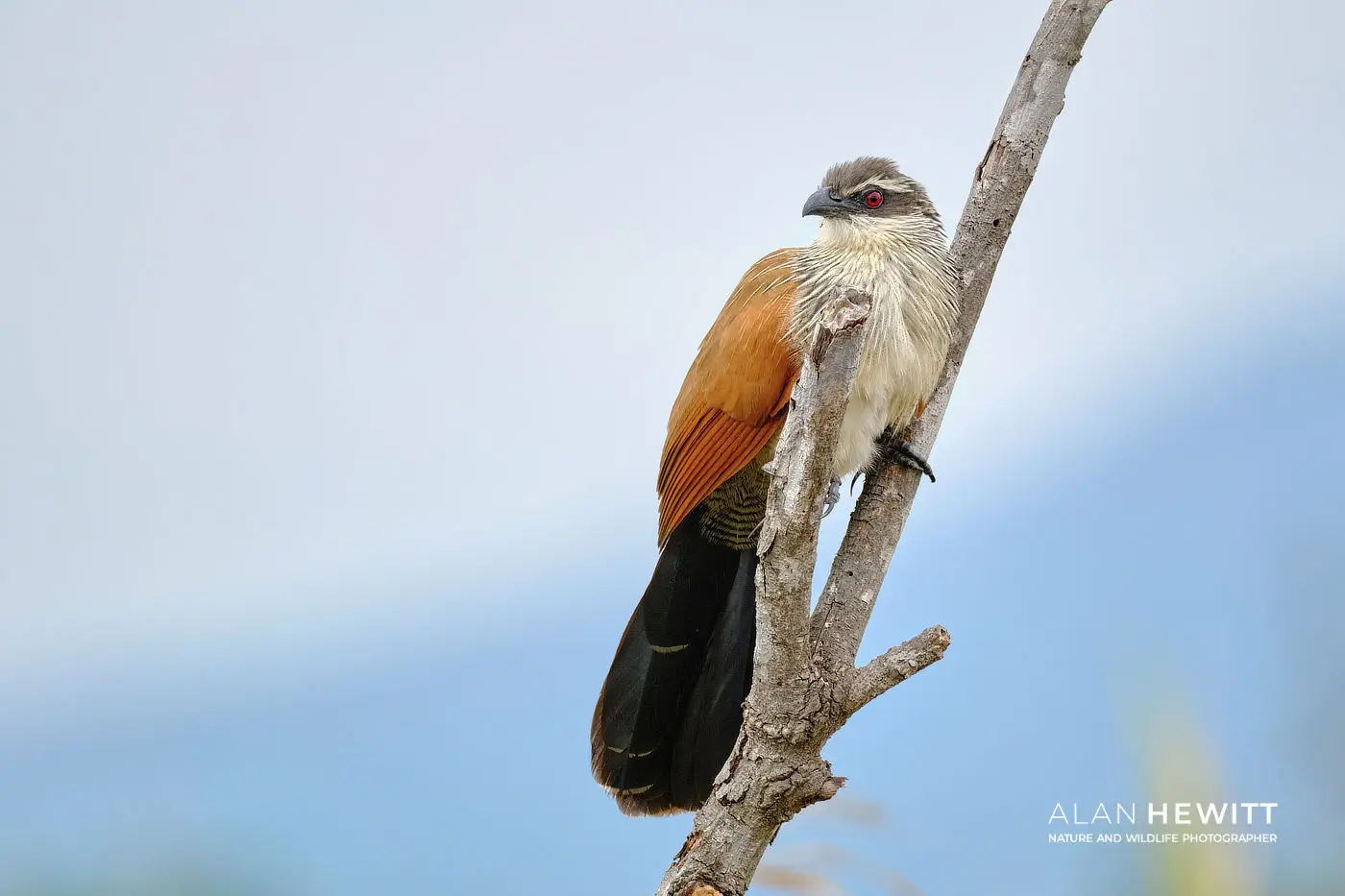
White-browed Coucal
The White-browed Coucals are mostly solitary or found in pairs, fiercely defending their territory. They build large, dome-shaped nests hidden in thick vegetation. Unlike many birds, the male does most of the incubation and feeding of the chicks, while the female may only occasionally assist.
Burchell’s Starling
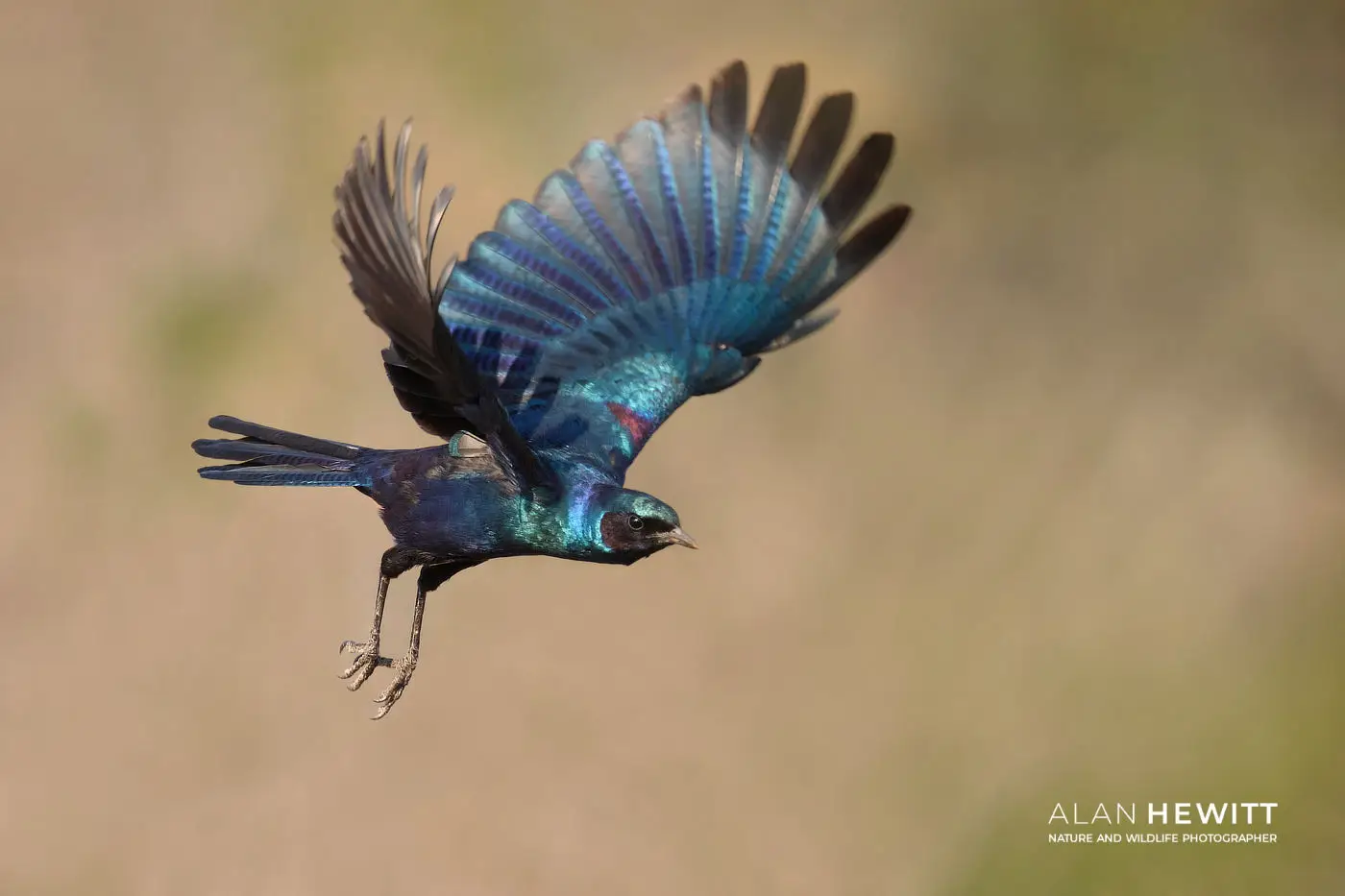
Burchell’s Starling
One of many glossy looking starlings of sub-Saharan Africa. Often found in small family groups, it’s a confident, inquisitive species, frequently perching close to safari vehicles or following large mammals for disturbed insects.
African Fish Eagle – African Bird Photography Iconic Raptor

African Fish Eagle
No African bird photography blog post could be complete without the iconic African Fish Eagle. It is a master fisher, equipped with sharp, curved talons and rough, spiny pads on its feet which can secure prey that would escape many other birds.
Known for its piercing, melodious call, which to me is reminiscent of a gull.
Bare-faced Go-away-bird – African Bird Photography Best Named!
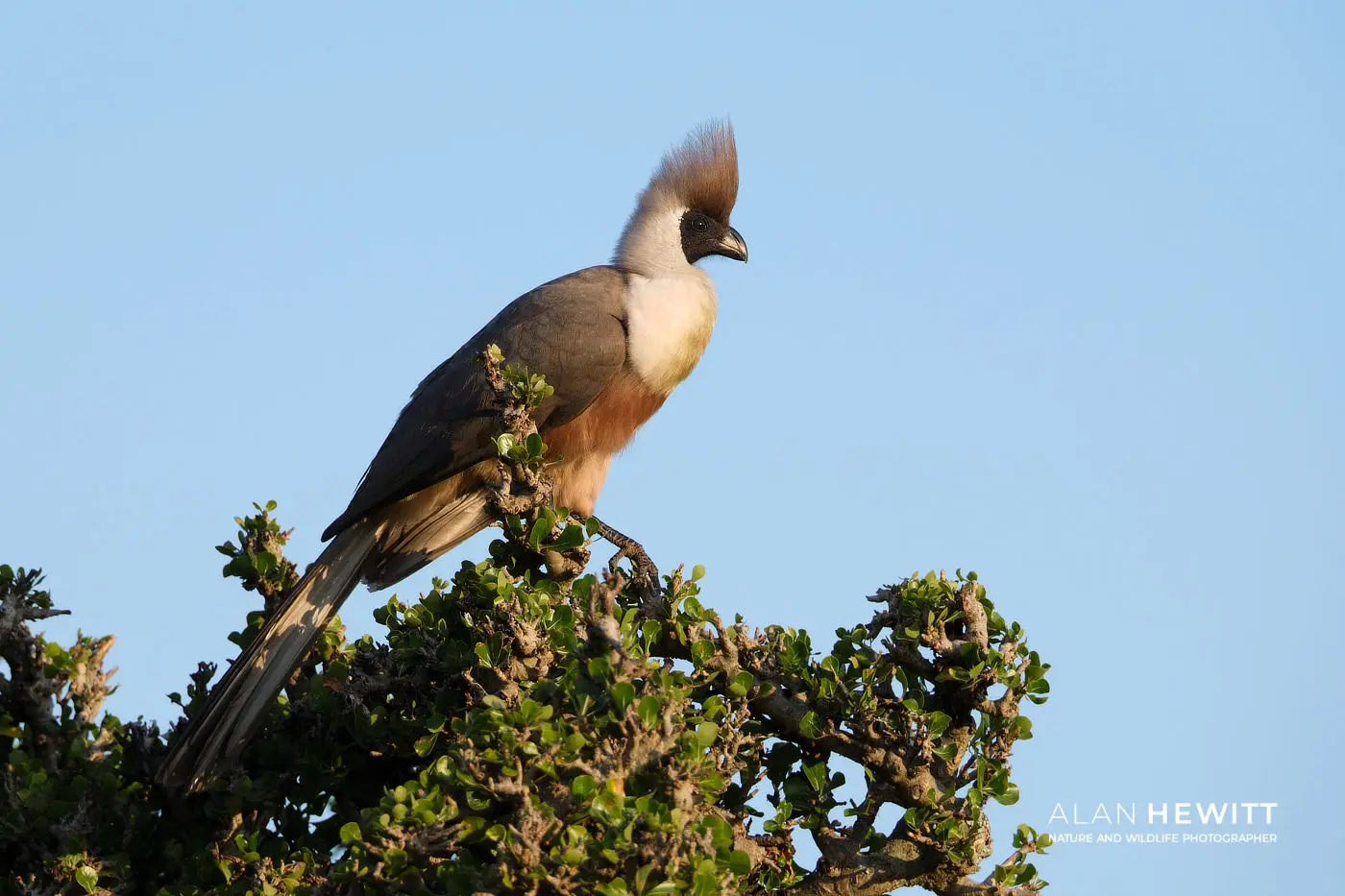
Bare-faced Go-away-bird
A fine example of avian onomatopoeia (named after its call). Its loud “go-away” call alerts other animals to danger, while the birds themselves act as clever opportunists, often following larger mammals (or even humans) to use them as moving lookouts while foraging.
Ostrich – African Bird Photography Biggest and Heaviest
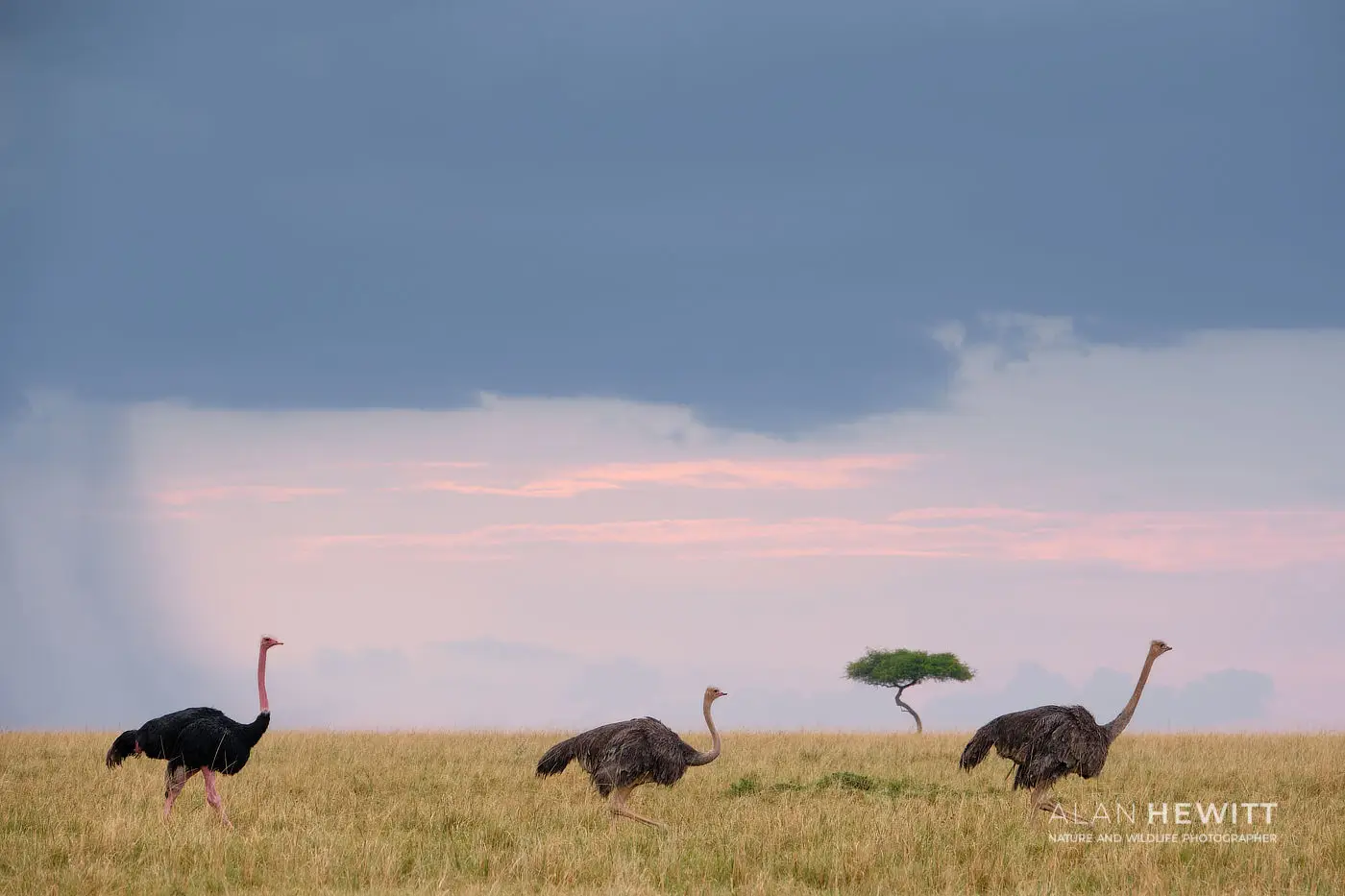
Ostrich (male, left)
Africa’s iconic avian giant! Contrary to myth, it does not bury its head in the sand. This misconception likely comes from the way it lowers its head to the ground to feed or turn eggs. Males often walk behind females during courtship, helping them monitor the females and keep an eye on potential rivals.
Despite their size, ostriches can be tricky to photograph. Their small, constantly moving heads and long necks make framing a sharp, dynamic shot challenging.
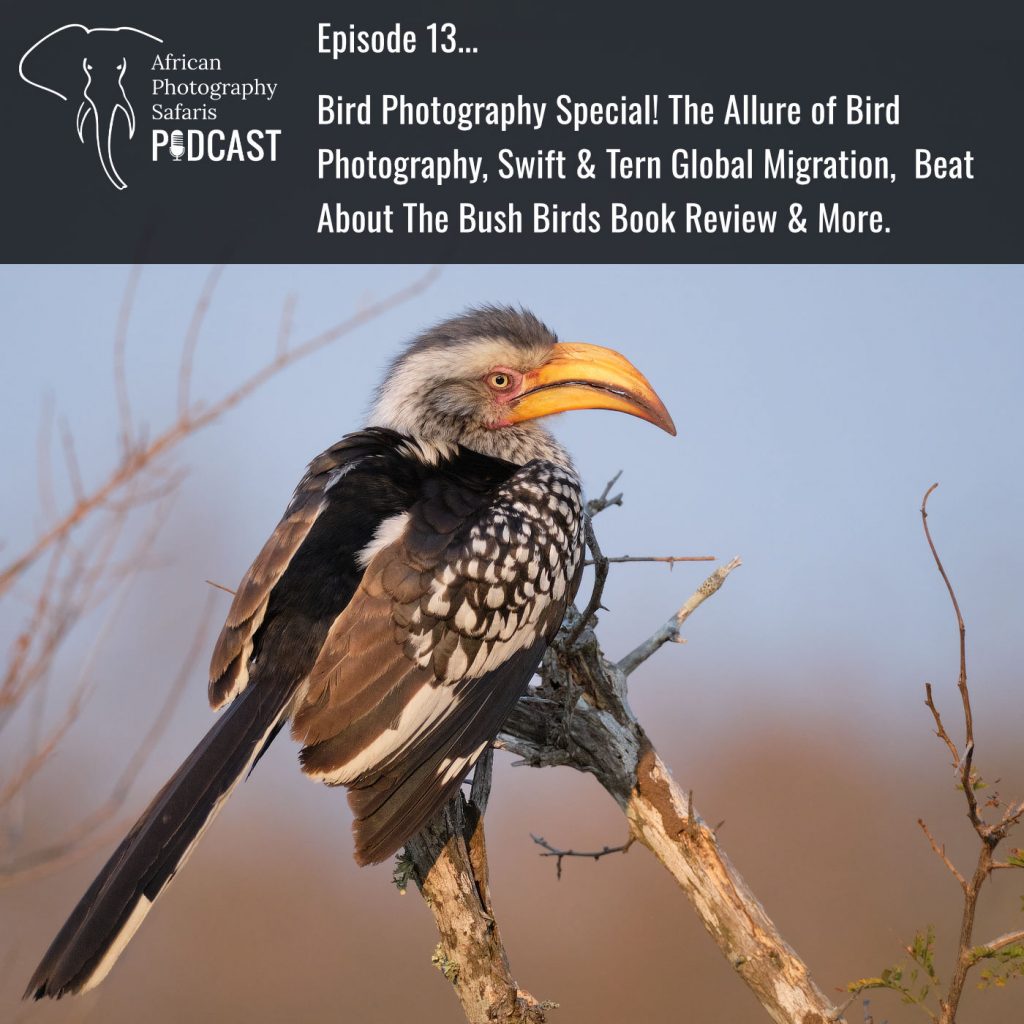
Southern Yellow-billed Hornbill
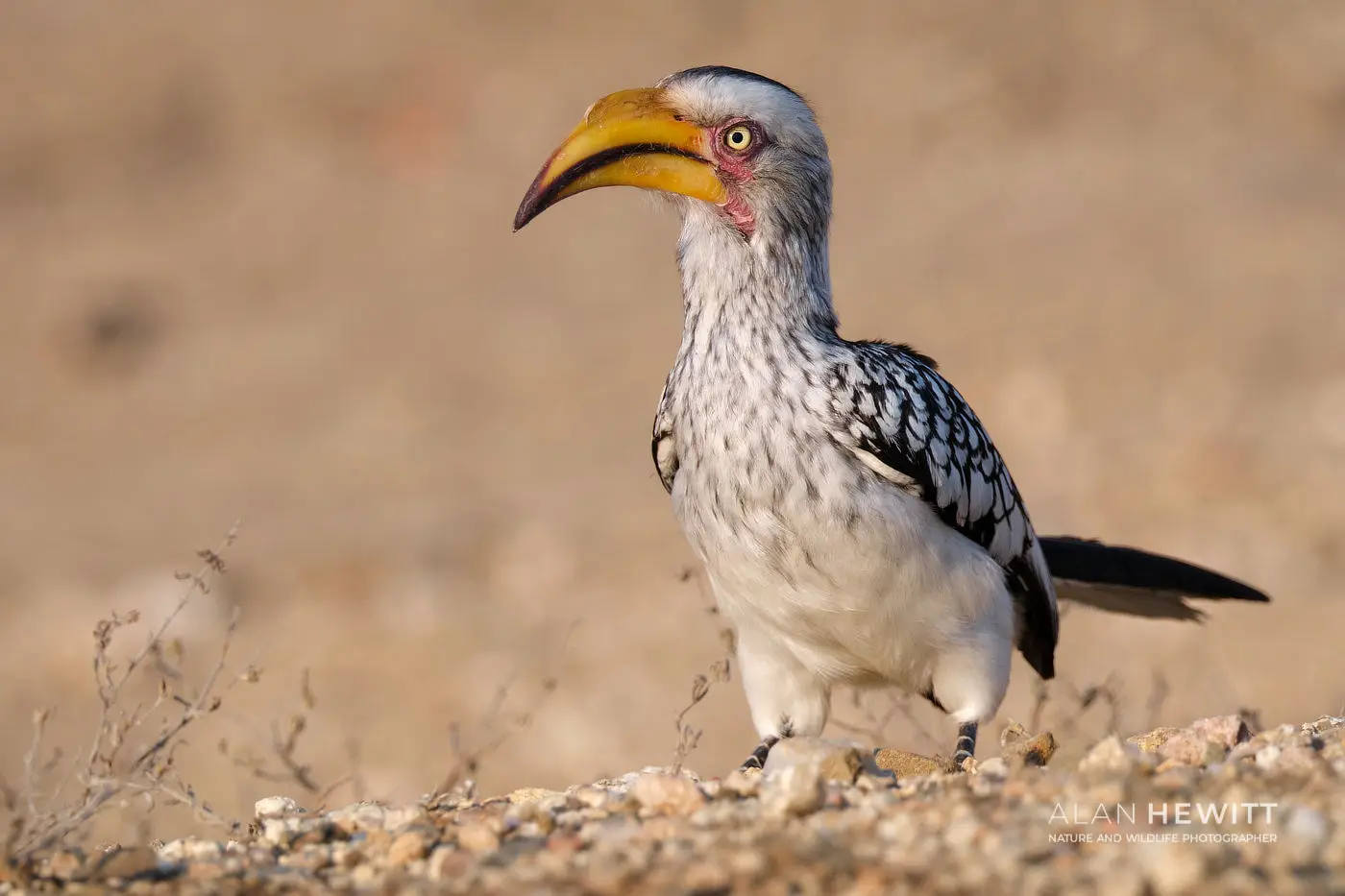
Southern Yellow-billed Hornbill
Banana bill, or flying banana! The southern yellow-billed hornbill is easily recognised by its long yellow bill and casque, which is larger in males and may help project their calls.
During breeding, the female seals herself in a tree cavity, leaving a tiny gap for the male to feed her. While inside, she moults all her flight feathers, emerging only once the chicks are ready to fledge.
African Harrier-hawk
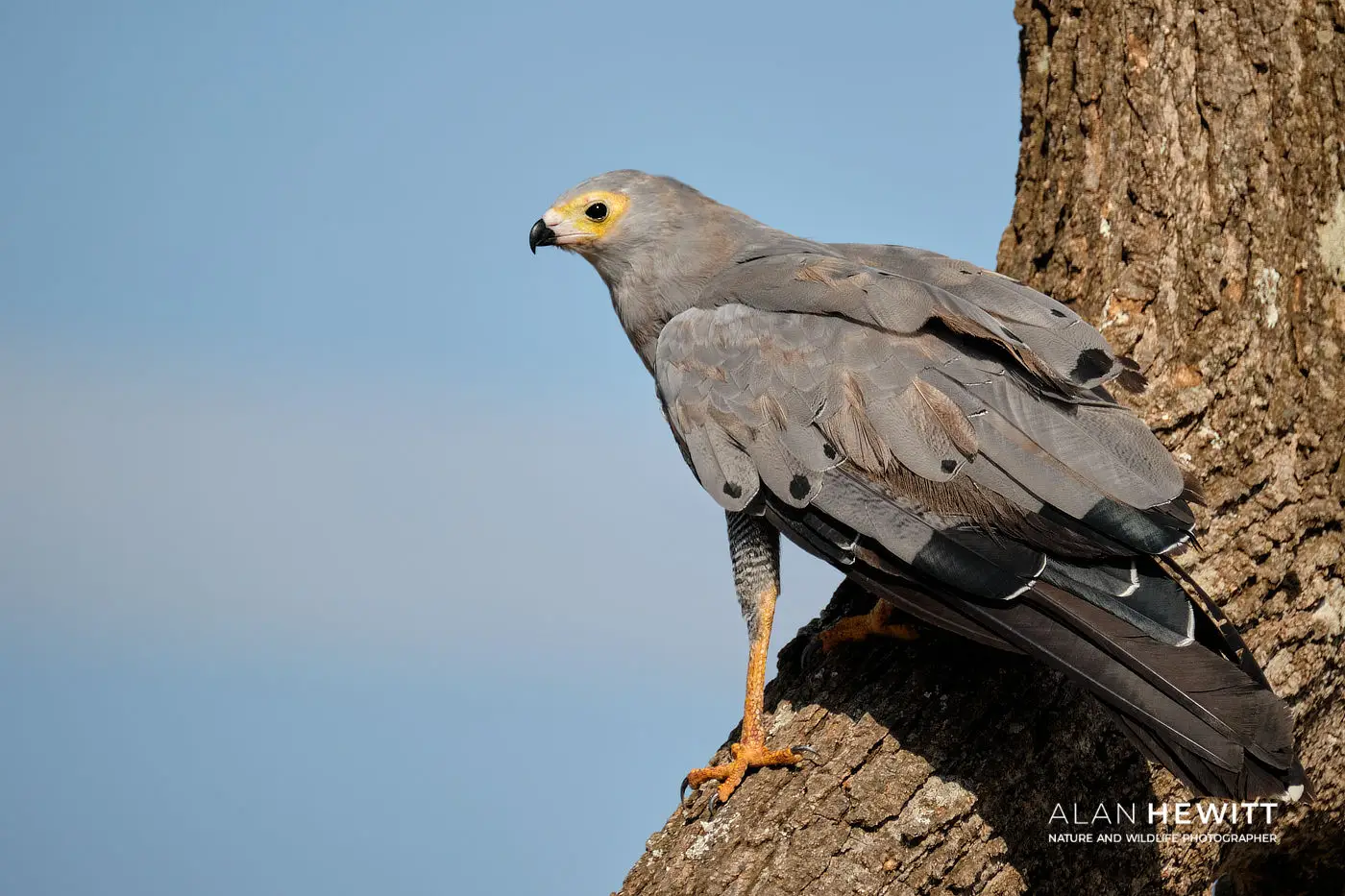
African Harrier-hawk
Previously known as a Gymnogene, meaning “bare-cheeked” in Llatin. Their striking facial skin changes from yellow to bright red during excitement or breeding.
It’s famous for its hypermobile joints, which let it reach into tree cavities and crevices to extract hidden prey like birds, eggs, and insects.
Pygmy Kingfisher
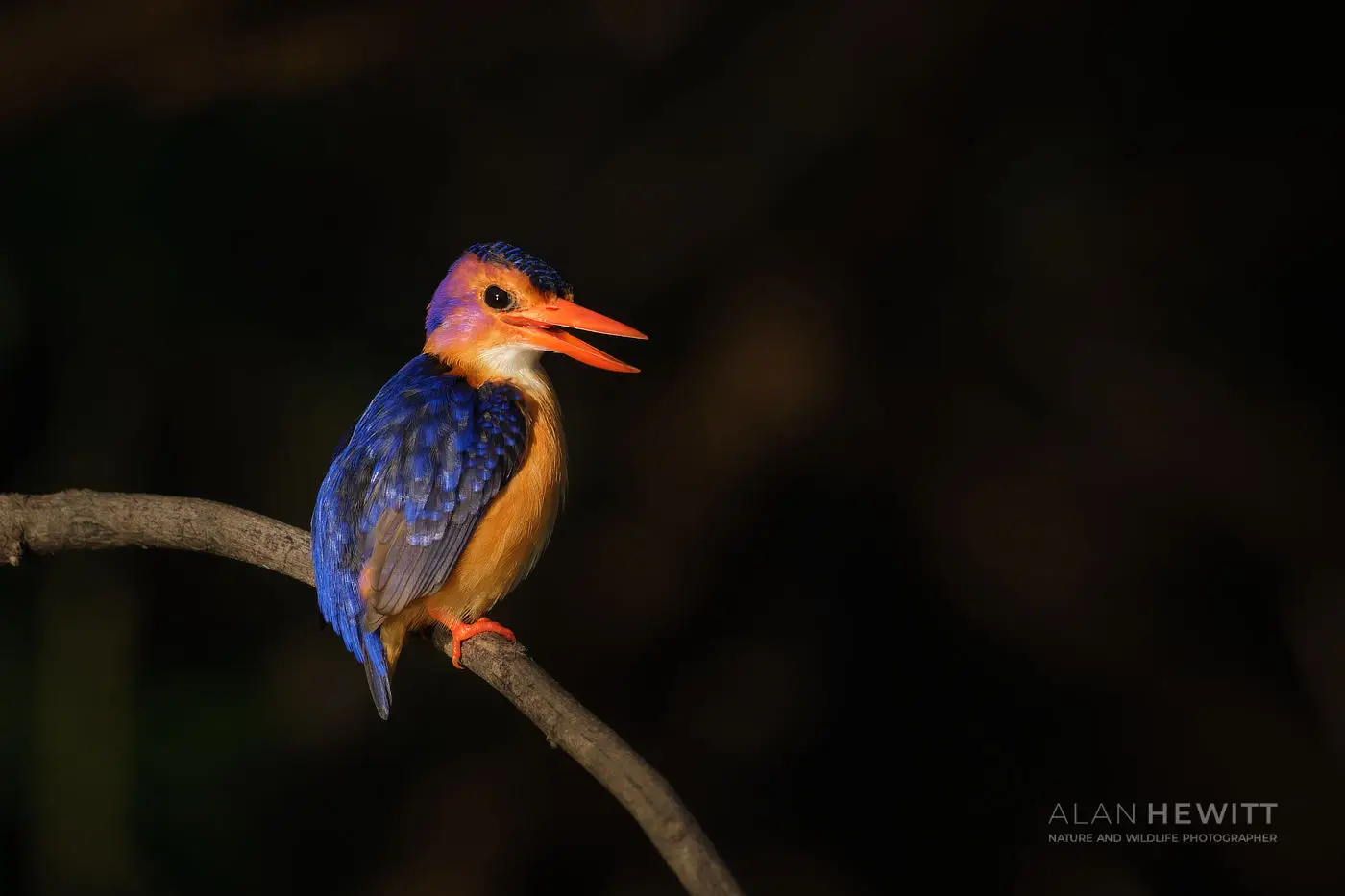
Pygmy Kingfisher
One of Africa’s smallest and most dazzling birds that flashes brilliantly as it darts along forest edges and shaded riverbanks. It is a cavity nester, digging burrows into soft soil or riverbanks to lay its eggs, safely hidden from predators.
This combination of secretive nesting often reveals them in dappled, contrasting sunlight beneath foliage, making their vibrant colours stand out against the shadows.
Martial Eagle
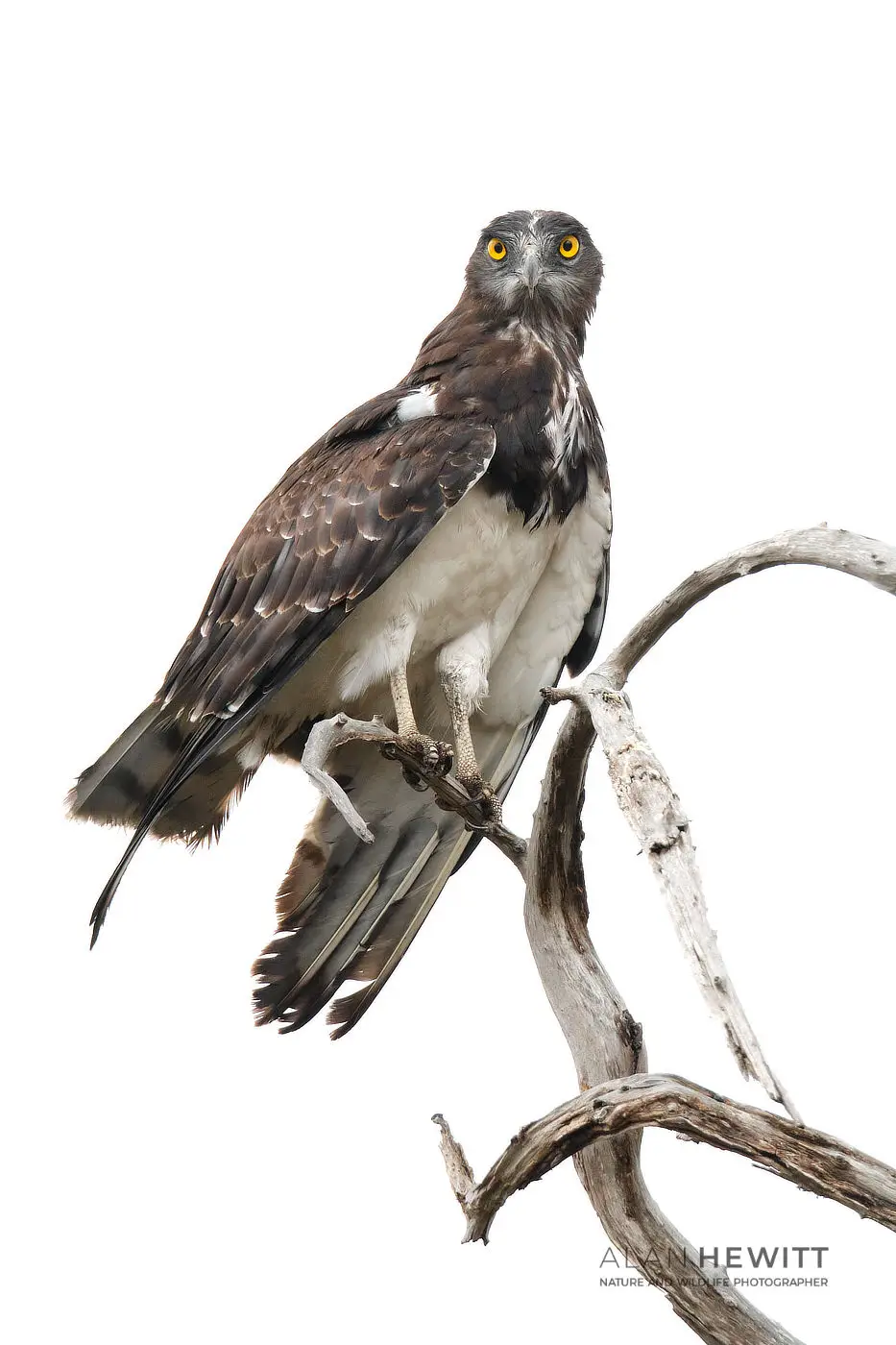
Martial Eagle
The Martial Eagle is Africa’s largest eagle, with a wingspan up to 2.5 metres. Their incredible eyesight is sharp enough to spot prey from over two kilometres away. A powerful and agile predator, it hunts birds and small mammals (especially antelopes) and is even known to prey on predator cubs. It can carry prey much heavier than itself.
Oxpeckers – African Fieldcraft Bird
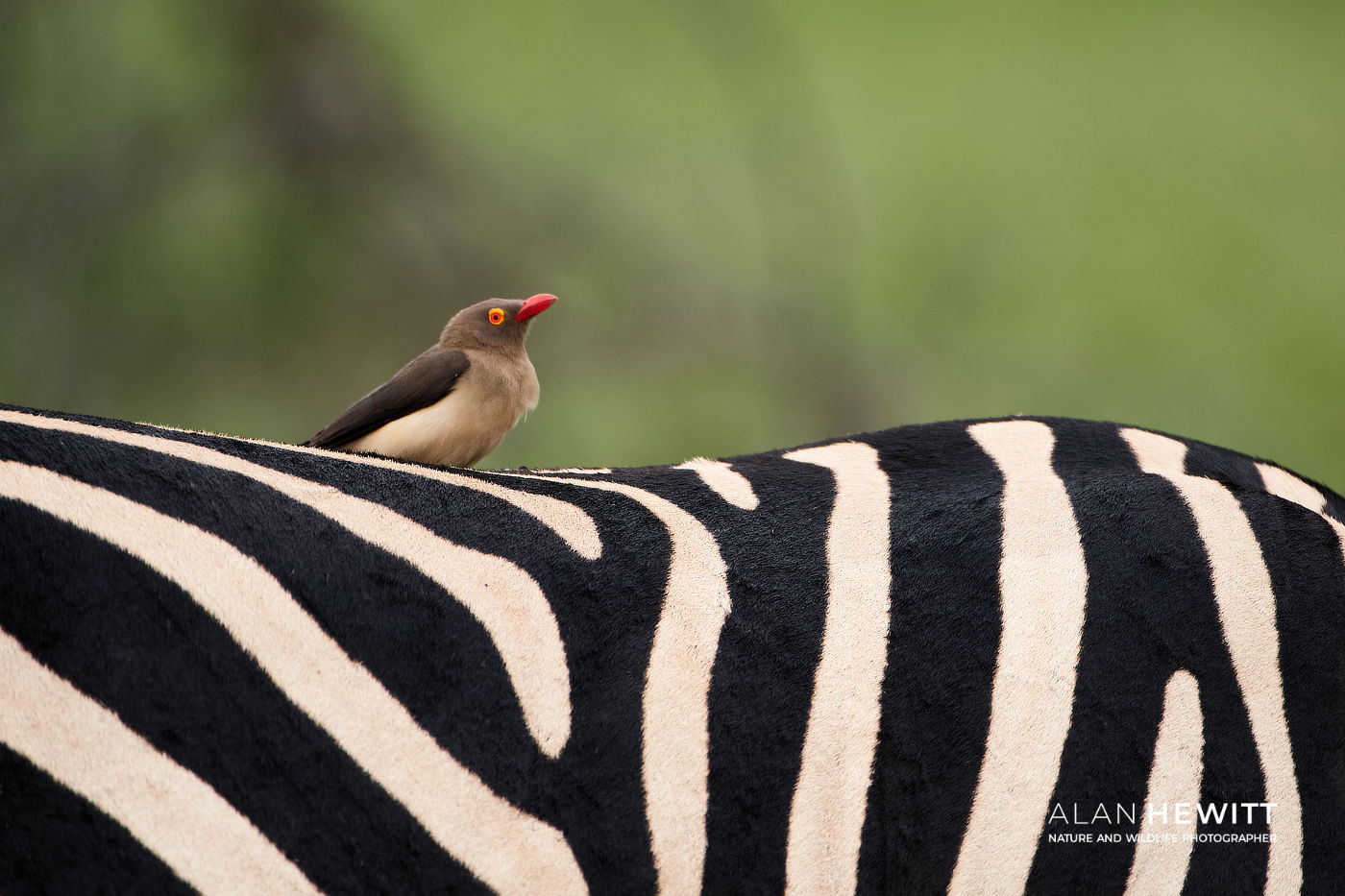
Red-billed Oxpecker
Oxpeckers come in two species, red-billed and yellow-billed, and are famous for their complex relationship with large mammals. While they start as mutualistic partners, eating ticks and pests off their hosts, they can also become parasitic, pecking at wounds to drink blood. This shifting balance makes them both fascinating and unpredictable subjects for wildlife observers and photographers. They’re great fieldcraft indicators too, you’re likely to find large herbivores when you hear their chatter.
Secretary Bird

Secretary Bird
The Secretary Bird surely wins the prize for Africa’s most unusual-looking raptor. Tall and long-legged, it hunts on foot rather than from the sky, striding across the savanna with purpose.
Its fearsome kick is enough to kill a snake in a single blow.
With a crest of quill-like feathers and striking facial colours, it’s a truly spectacular subject for photographers.
Greater Blue-eared Starling
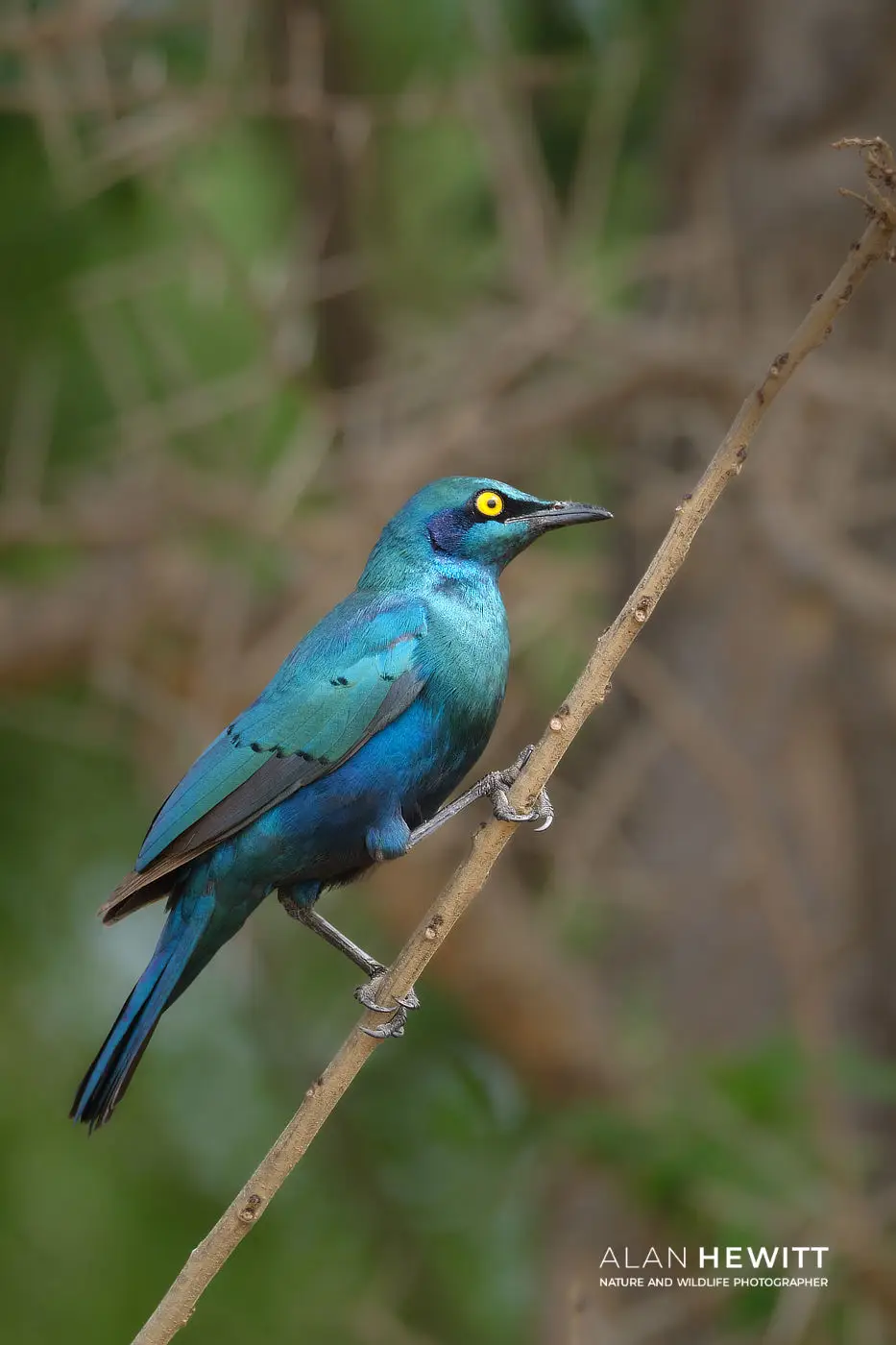
Greater Blue-eared Starling
One of the shimmering jewels of the savanna, its feathers flashing electric blues and greens that shift with the light. These social and noisy starlings gather in lively flocks, filling the air with their metallic calls and constant chatter.
Their iridescent plumage, especially when caught in low sun or dappled shade, makes them irresistible subjects for photographers seeking colour, movement, and a touch of attitude.
African Bird Photography – Your Favourite?
These are just our personal favourites to watch and photograph – though we’d be lying if we said we don’t sometimes argue over whose favourite is the “prettiest” or the “most photogenic.” Everyone has their own top picks, and that’s part of the fun. Maybe it’s a flamboyant lilac-breasted roller, a cheeky hornbill stealing the show, or even a grumpy-looking vulture giving you the side-eye. We want to hear yours! Drop your favourite African bird in the comments below and let the friendly debate begin, because in African Bird Photography, there’s no such thing as a boring bird.

Leave a Reply