
Predators have always had an image problem. From films to nature documentaries, they’re regularly cast as the bad guys, the ones with the teeth, claws, and a taste for dramatic violence. Scroll through social media and you’ll see it in action: a photo of a lion with a fresh kill and the comments are filled with sad-face emojis, hearts, even messages like “why didn’t you do something?”. Yep, that is bonkers, but we do see it! It is clear people feel for the prey and while it is understandable, albeit very anthropomorphic, it also reflects a misunderstanding. Lions, leopards, hyenas, wild dogs and other predators are not villains.
Obligate Carnivores – Predators, not Villains!
Predation is not an act of malice, these animals are obligate carnivores. This means they cannot survive without meat. Their bodies, teeth, and digestive systems are evolved for consuming animal protein. It’s biology, not choice. When a predator hunts, it’s pure survival in action, not drama or malice. They’re doing exactly what they have evolved to do. Nature doesn’t deal in villains or any other anthropomorphism. It deals in balance, and predators are absolutely crucial to that balance.
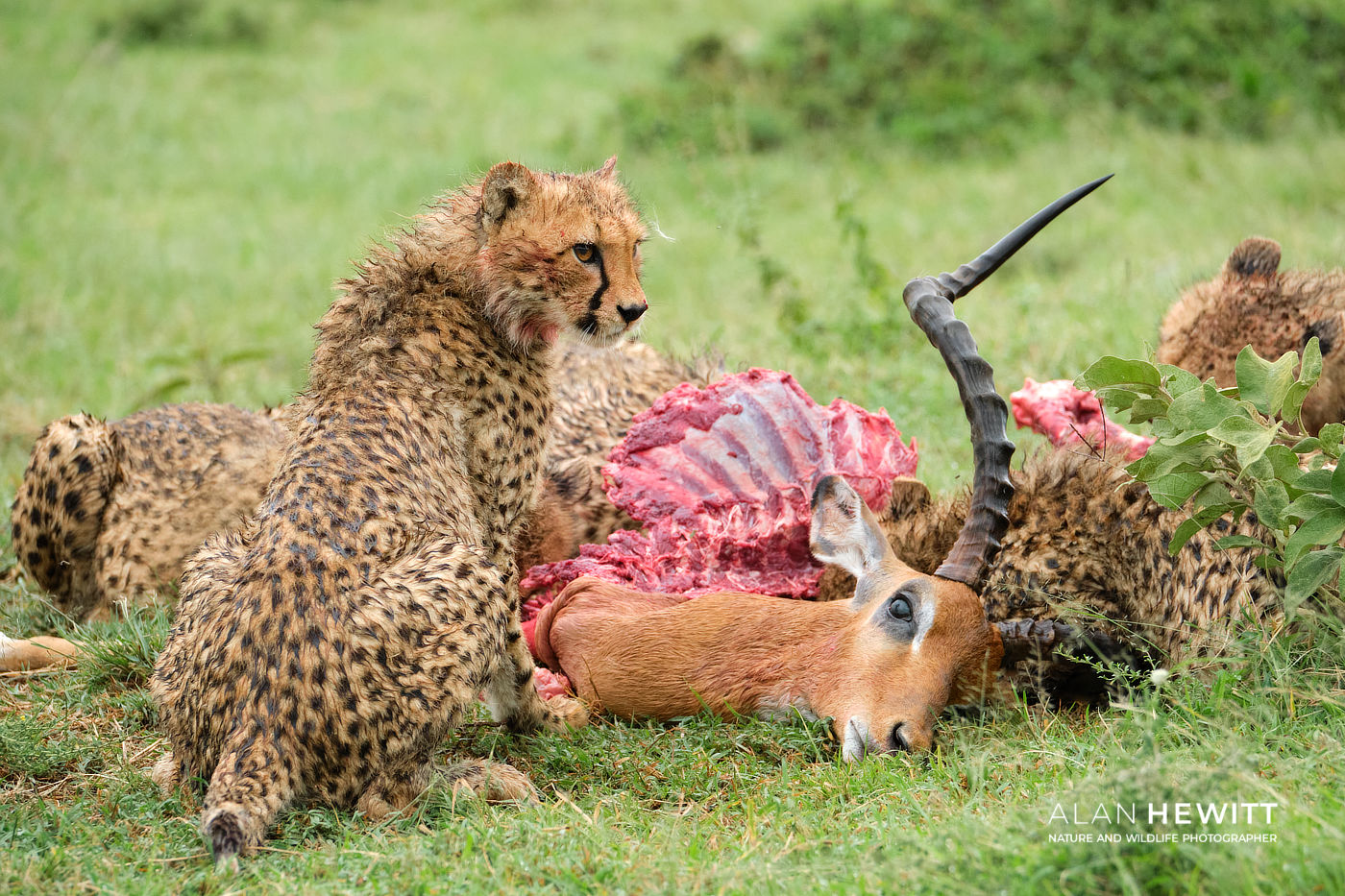
Sub-adult cheetahs feed on a male impala.
It’s easy to see why predators get a bad reputation. The anticipation of watching the stalking, the drama of the chase, then the contact, and then… sometimes, a kill. Of course it’s dramatic, emotional, and often hard to watch. People naturally sympathise with the prey, especially when the hunted animal is young or vulnerable. But every kill is a moment of critical ecological balance. A lion needs to feed its cubs, a leopard or a cheetah is doing what it needs to do to survive another day.
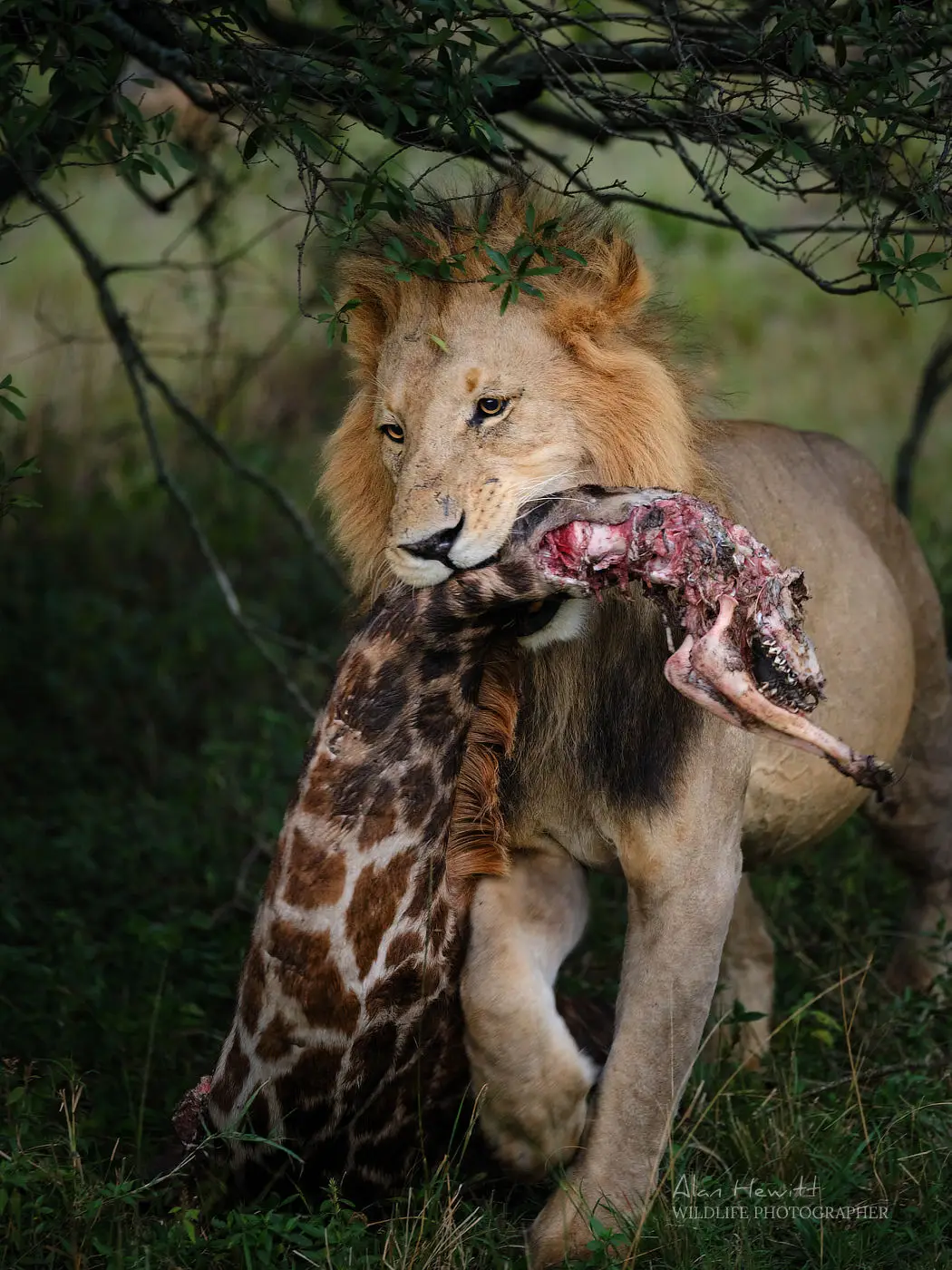
A young giraffe predated by lions
Predators play a crucial role in keeping ecosystems healthy. They regulate prey populations, prevent overgrazing, and strengthen herds by targeting the weakest individuals. Even their presence shapes animal behaviour and vegetation patterns. Every predator, from lions to jackals, contributes to the rhythm and balance of the natural world.
Without predators, prey populations could explode, leading to overgrazed landscapes, weaker herds. This means whole ecosystems would be thrown out of balance.
From Blog Inspiration to Safari Adventure!
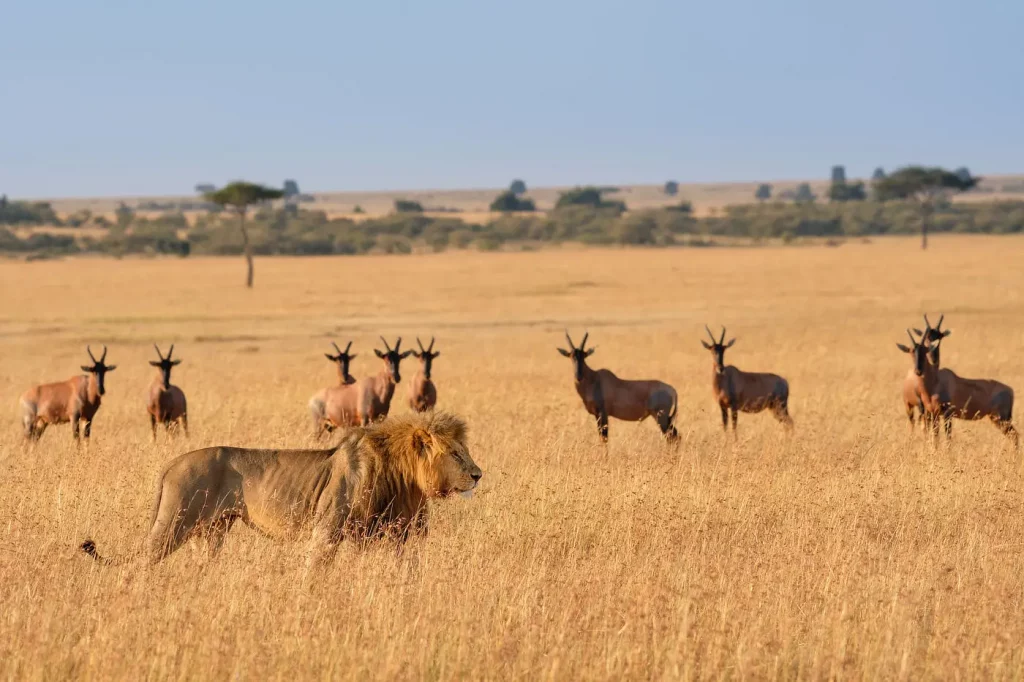
Kenya’s Maasai Mara Photography Safari
26th August 2027
7 or 11 nights available
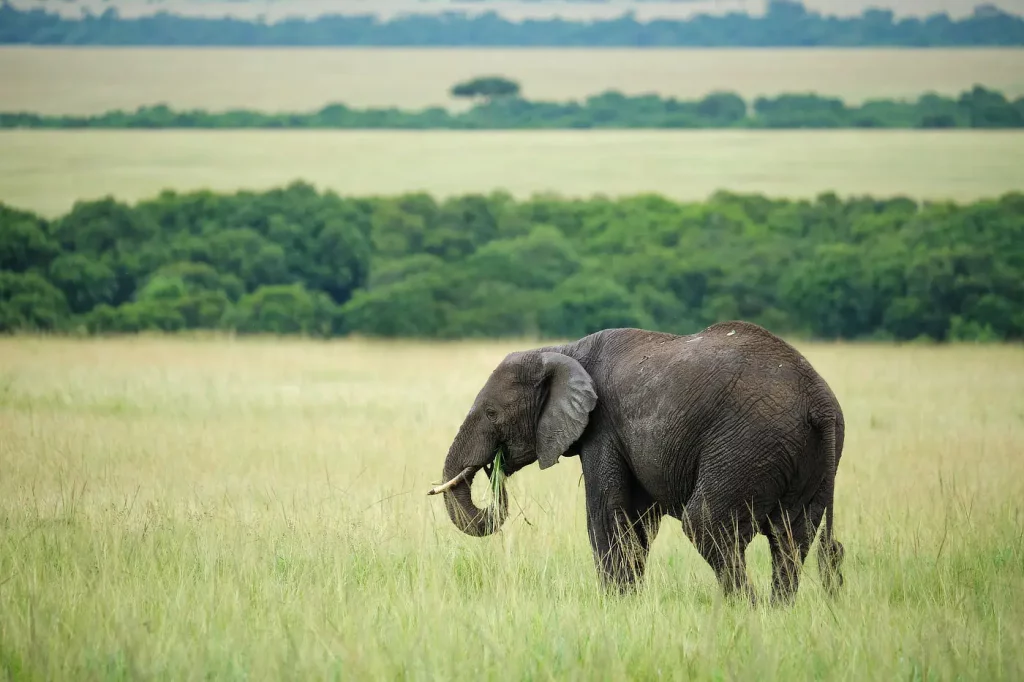
Kenya’s Maasai Mara Photography Safari – The Green Season
March 2028 (TBC)
7 or 11 nights available
Supporting conservation and communities through ethical safaris. Join us on unforgettable photography safaris led by professional guides and photographers.

African Photography Safaris Ltd. is a member of Protected Trust Services, providing financial protection under UK Package Travel Regulations.
Photographing Gore
Then there’s the photography debate. Some people react negatively to images of predation, viewing them as gory or upsetting. For us, photographing predators on a kill isn’t about glorifying it or trying to create shock value.
Ethical photography respects the animals, avoids interference, and documents reality. It tells a natural history story and nature is raw and real, and life and death coexist constantly. Furthermore, images and explanations should educate and foster understanding, showing predators as essential, not villainous. Without predators, ecosystems collapse: grasslands overgrow, herbivores suffer, and the extraordinary balance of these landscapes vanishes.
So the next time you scroll past a photo of a lion on a kill and if you feel the urge to add a sad-face emoji, pause and think: it’s not cruelty, it’s balance, reality and necessary.
Predators are not villains. They are the reason the wild still works.
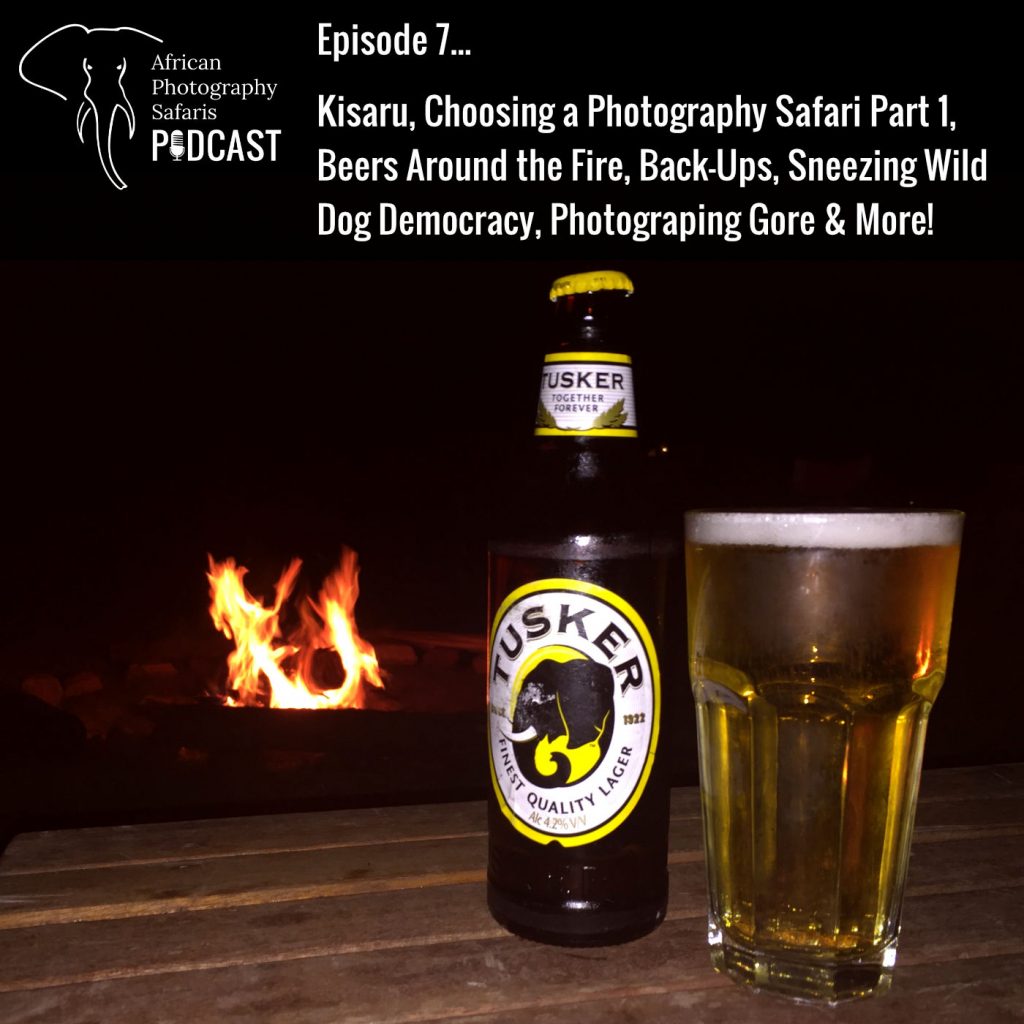
In Episode 7 of our African Photography Safaris podcast we answered a question, should wildlife photographers sensor potentially sensitive images?


Leave a Reply