Welcome to Framing the Wild, a series of blog posts that takes you behind the photograph. Out here on safari, every image begins with something that sparks our attention: a species – one or more, some interaction or behaviour, a sliver of light… the list can be endless. This series explores those moments and how we decide what to frame, where to place it, and why some scenes demand a photograph while others don’t. First up in Framing the Wild, this lioness and juvenile.
We’ll break down how we read a scene, the choices behind composition and framing, and the subtle details that turn a fleeting moment into something we want to keep.
It’s not just about what the camera captures, but how we see and why we press the shutter when we do. Also, what we consider in the edit process when deciding which photograph stands out in the same overall collection.
From Blog Inspiration to Safari Adventure!
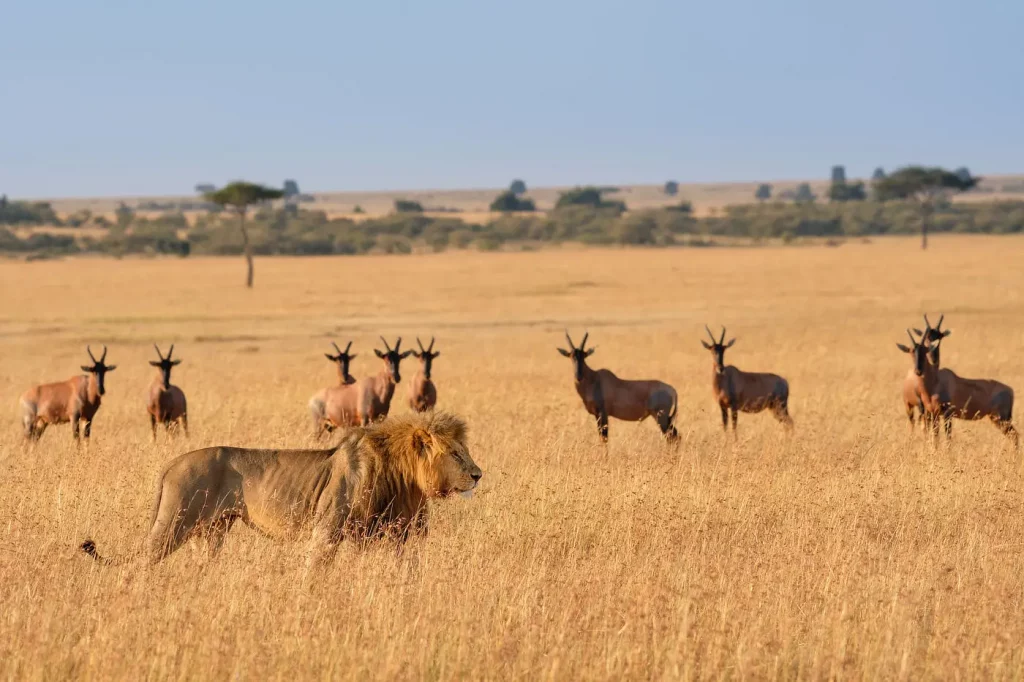
Kenya’s Maasai Mara Photography Safari
26th August 2027
7 or 11 nights available
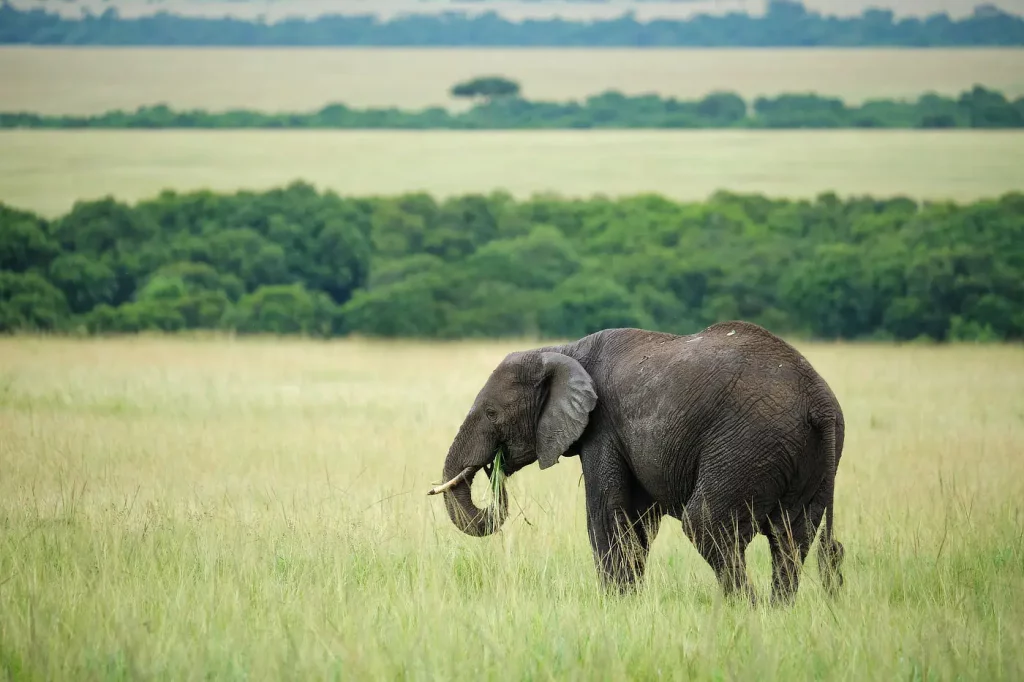
Kenya’s Maasai Mara Photography Safari – The Green Season
March 2028 (TBC)
7 or 11 nights available
Supporting conservation and communities through ethical safaris. Join us on unforgettable photography safaris led by professional guides and photographers.

African Photography Safaris Ltd. is a member of Protected Trust Services, providing financial protection under UK Package Travel Regulations.
Framing this Lioness & Juvenile
During this lion encounter, the lioness was repeatedly showing her displeasure at the untimely attention from the juvenile. I took a burst of a few shots as she snarled and this was the one from a bunch that survived the edit!
1 – Thirds
One of the tools I often lean on is the rule of thirds, not rigidly, but as a rough guideline to help balance a scene. It helps me make decisions quickly in the field: where to place a horizon, how to give space for a moving animal, or where to position a point of interest so the composition feels dynamic rather than static. But it’s never a hard law.
In this photograph, I opted for the upper right third to include some negative space and the added interest of the juvenile.
2 – Action
Sometimes, it just takes a little bit of action or drama to help a shot come alive. This lioness let out a snarl, baring her teeth in displeasure at the juvenile. Using the camera’s burst mode helps capture fleeting expressions to add more interest.
3 – Added Interest
The juvenile adds interest, their untimely interactions with the lioness were the reason behind her snarl.
4 – Negative Space
When using the rule of thirds (guideline!), I like to leave the majority of the frame’s negative space in the direction the main subject is looking into.
5 – Lion Tail Framing
The inclusion of the lion’s back and the vertical tail provided some natural framing for the primary and secondary subject.

Leave a Reply