
We are both strong advocates of the versatility and practicality of using a monopod on safari. They are lightweight, easy to pack, and simple to use. In wildlife photography, there comes a point where more gear does not make your photographs better. It simply makes you slower.
Tripods are, in most cases, unusable in a vehicle. They are awkward to set up around seats and take up too much space and weight when packing. Some photography safari operators provide vehicles fitted with fixed gimbal heads on rails. It sounds like a good idea, but in practice that fixed position often limits flexibility rather than enhancing it, and they can get in the way when not in use.
Using a monopod on safari solves these problems while still giving you the support you need. Picture the moment, you are sitting in a safari vehicle next to a male lion. It is late afternoon, and you know that dramatic, tooth revealing yawn is coming. You wait, lens raised, ready. It isn’t long before your arms begin to tire and muscle shake sets in but you know the moment you lower the camera to rest is exactly when it happens.
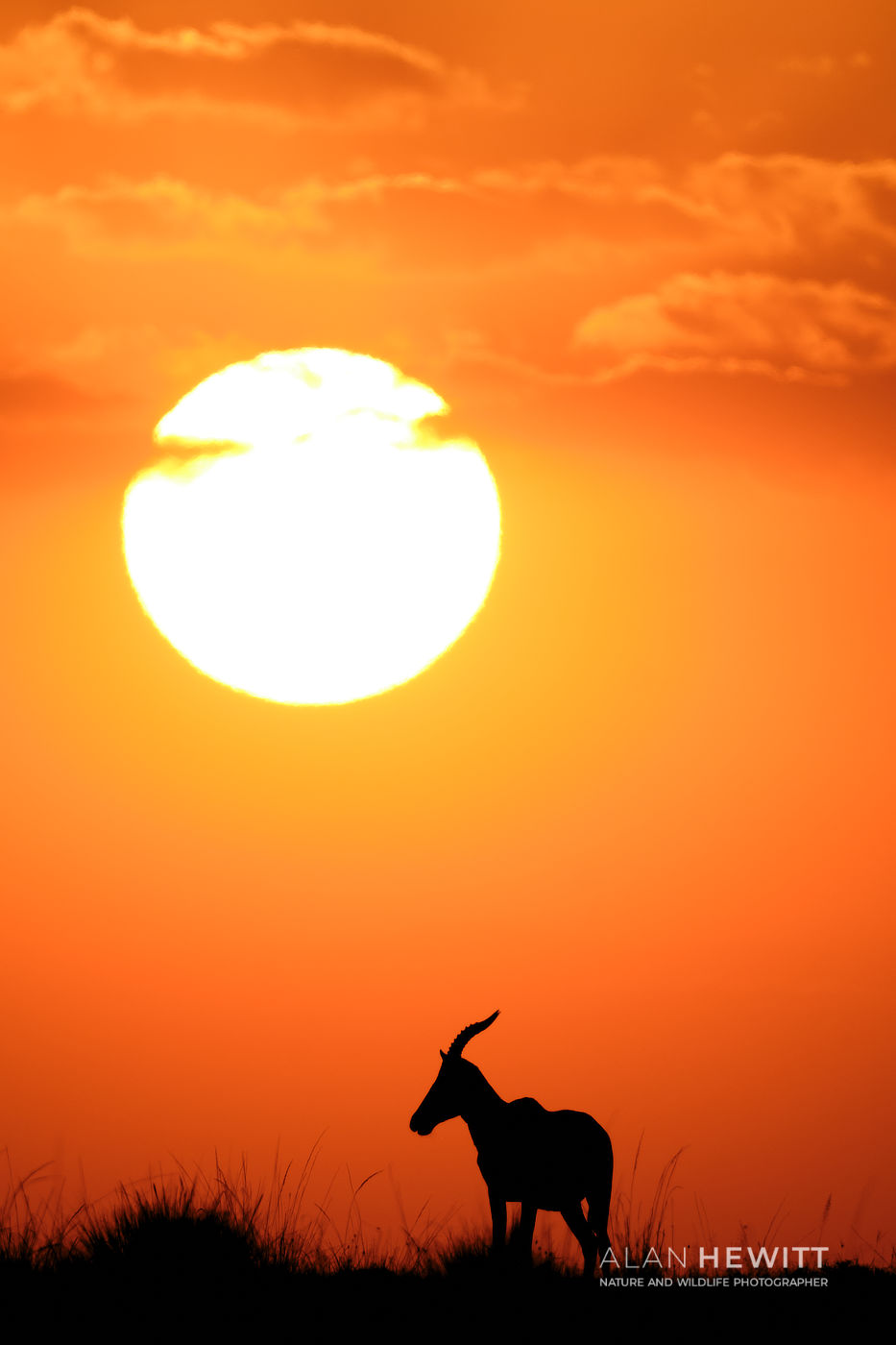
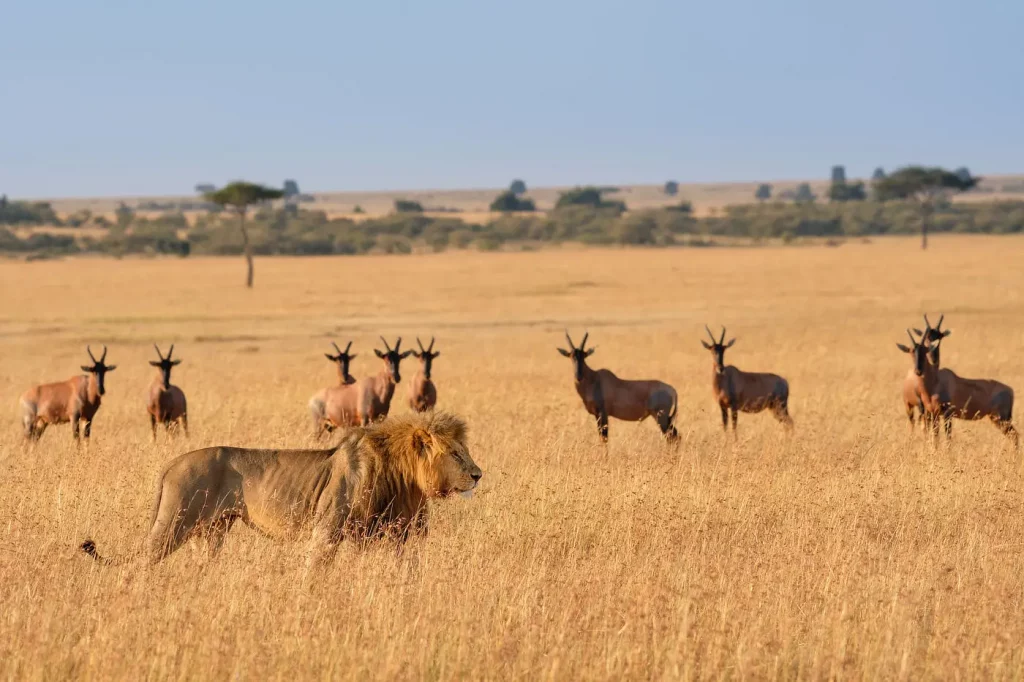
Composed for the Maasai Mara setting sun, I just had to wait for the Topi!
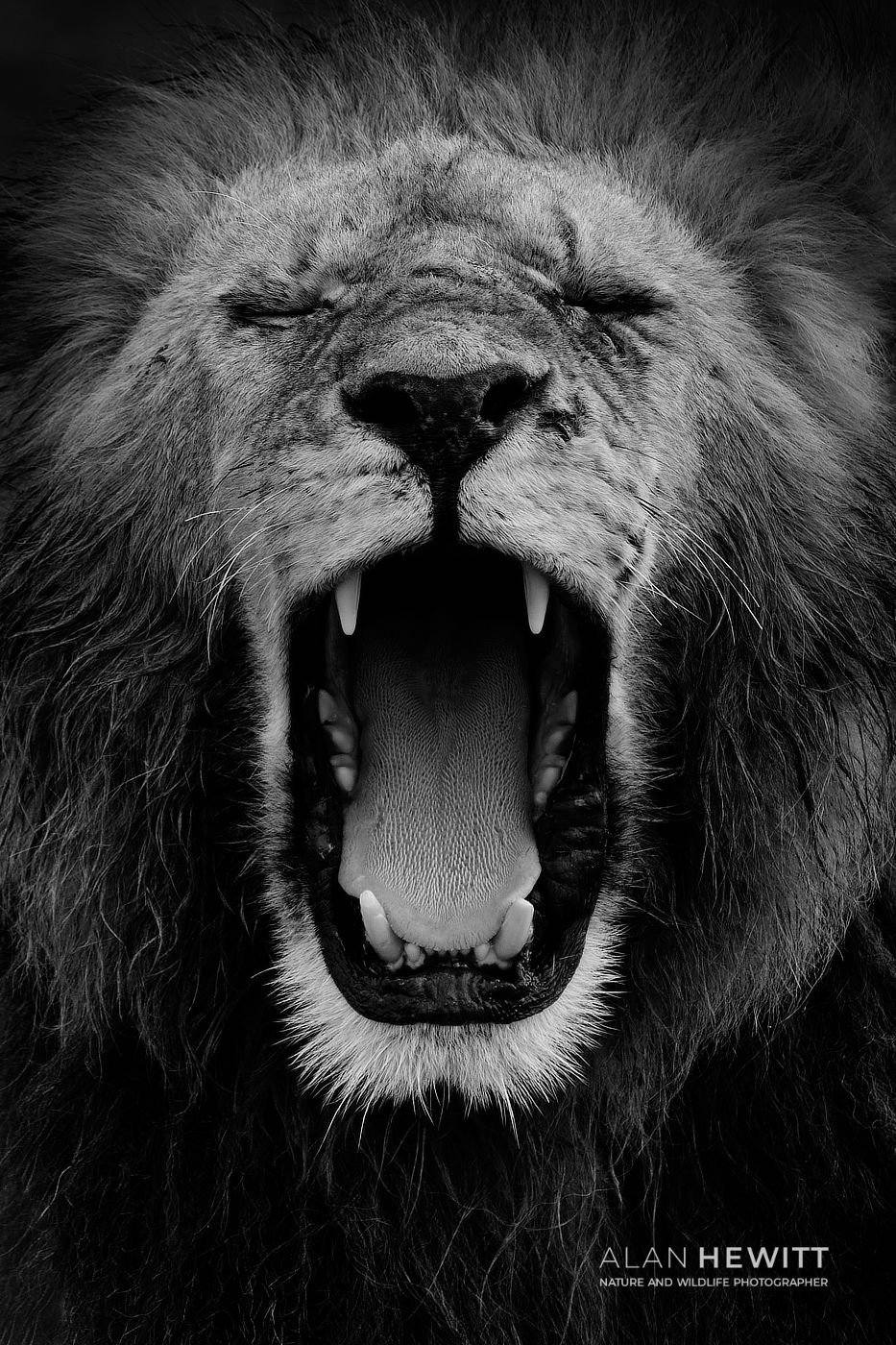
My Alan Monopod took the strain as I waited for a dusk yawn from one of the Lemek pride males in the Maasai Mara.
When long lenses turn waiting into work
Long telephoto lenses can change the physical nature of photography. In certain situations, we can spend long periods with our camera and lens raised, waiting to photograph specific behaviour that may only last fractions of a second.
What should feel like a photographic, observational process can quickly become physically demanding. The challenge shifts from photography to simply holding position.
This is where a monopod changes the equation. It takes the strain without removing responsiveness, allowing you to stay in position for longer with greater comfort and consistency.
The benefit is not only physical. When you’re not fatigued and experiencing aching arms your attention improves. You notice behaviour earlier, anticipate rather than react late, and remain more engaged with the scene instead of drifting in and out of focus due to physical strain.
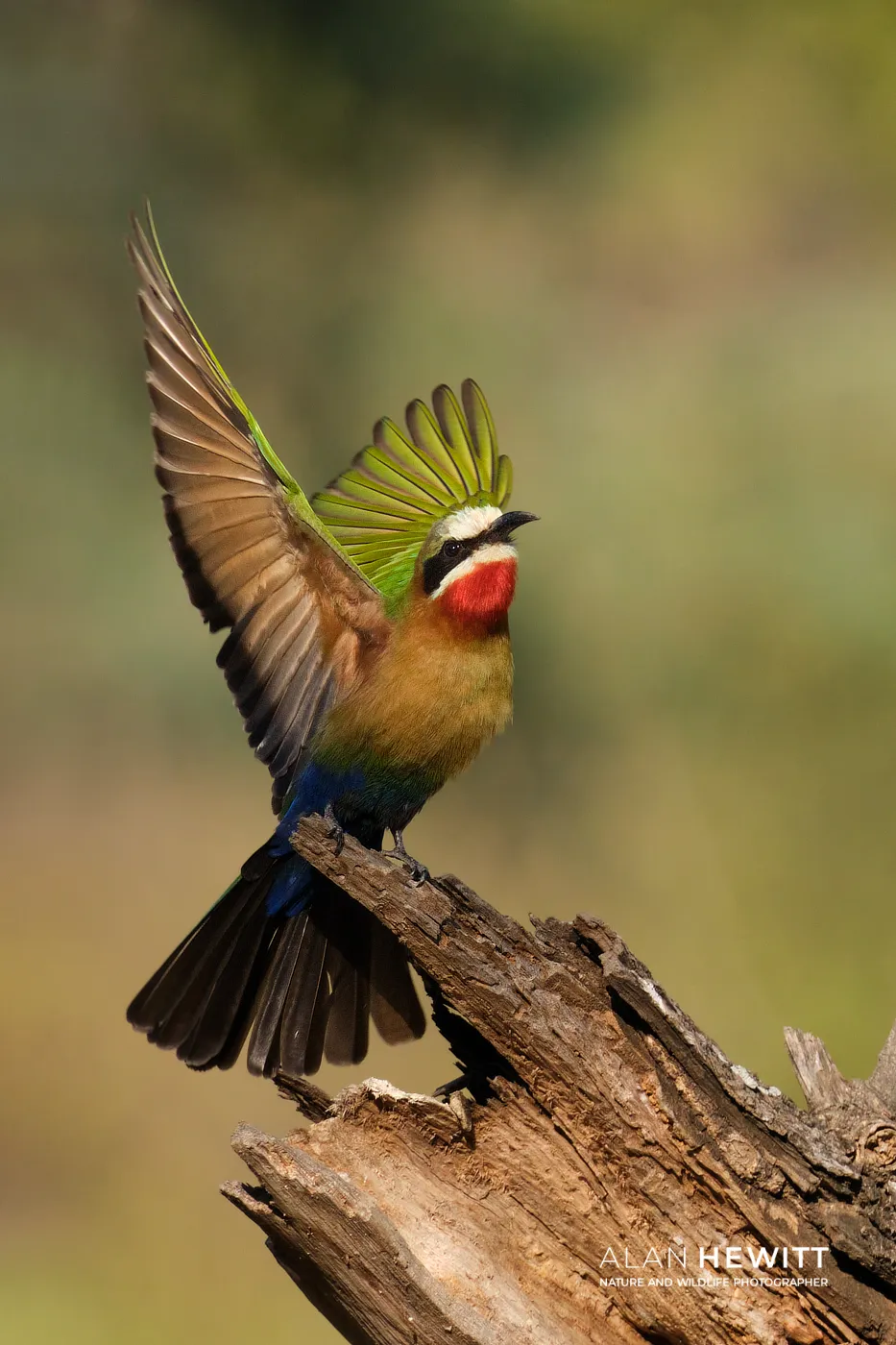
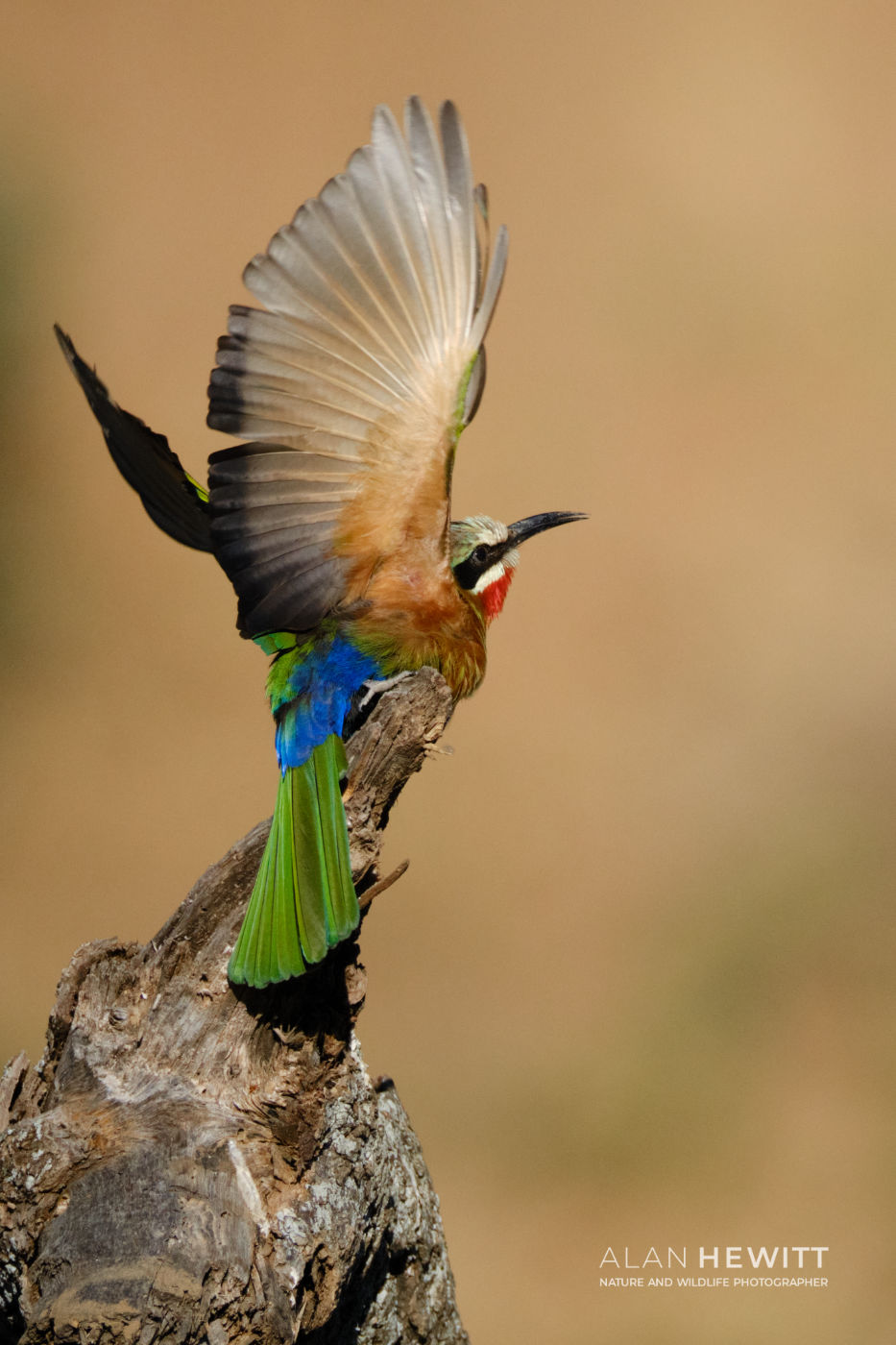
My Alana monopod took the strain while waiting for some wings up action at a white-fronted bee-eater colony in Tuli Wilderness, Botswana.
From Blog Inspiration to Safari Adventure!
Kenya’s Maasai Mara Photography Safari
26th August 2027
7 or 11 nights available
Kenya’s Maasai Mara Photography Safari – The Green Season
March 2028 (TBC)
7 or 11 nights available
Supporting conservation and communities through ethical safaris. Join us on unforgettable photography safaris led by professional guides and photographers.
African Photography Safaris Ltd. is a member of Protected Trust Services, providing financial protection under UK Package Travel Regulations.
3 Legged Thing Alana monopod – not named after me, but I’ll take it!
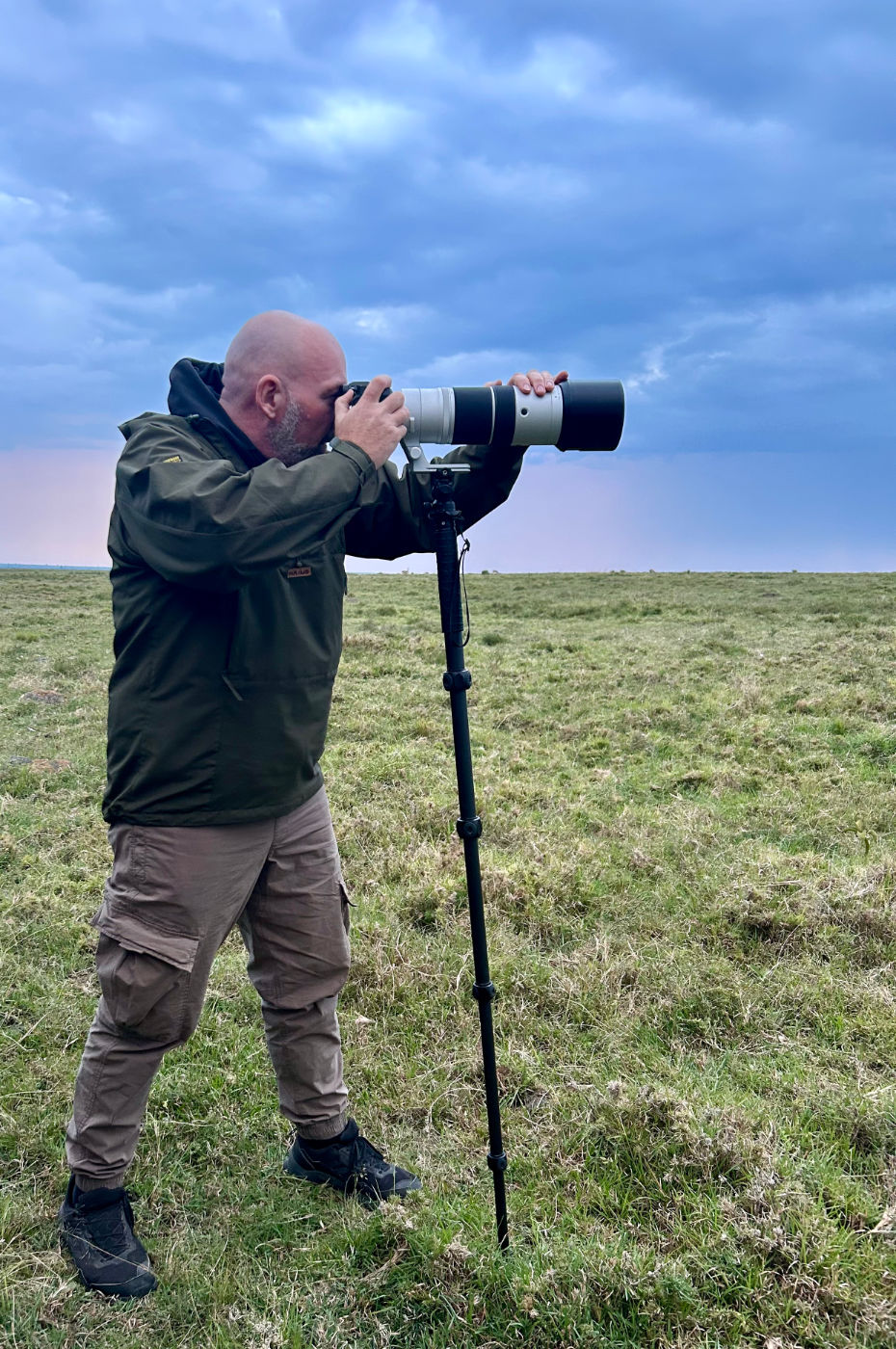
Monopod on safari! Alana monopod on the Lemek Conservancy savanna in the Maasai Mara.
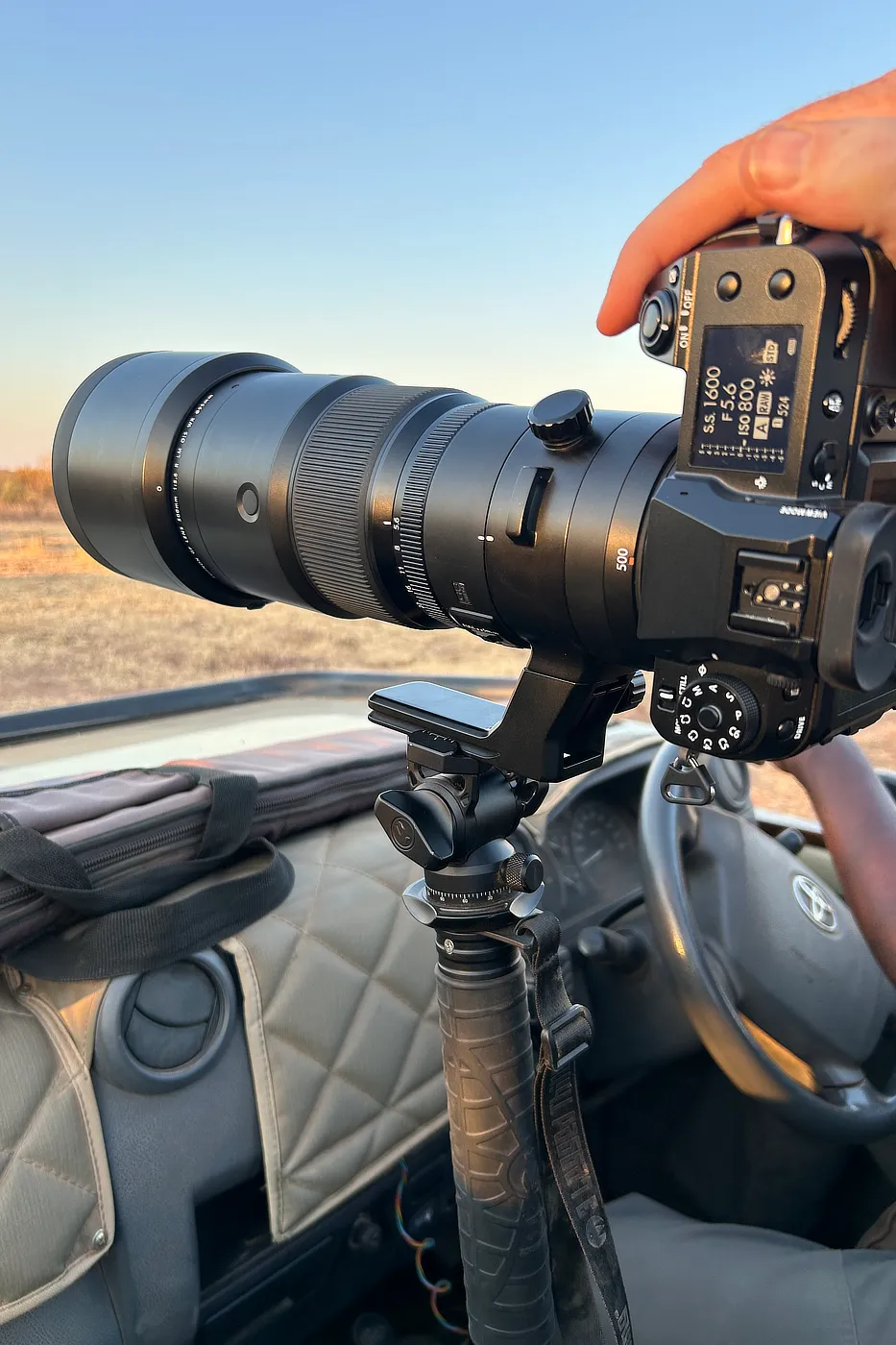
Alana and AirHed Trinity pan and tilt head supporting the Fujifilm GFX100SII and GF500mm.
Kaleel and I both use a 3 Legged Thing Alan or Alana monopod on safari. Despite the name, it has nothing to do with me, though I do occasionally like to claim otherwise!
What matters is that it does exactly what I need it to do in the field. It is lightweight, very strong, and quick to deploy. It extends without fuss, locks securely, and handles long lenses without complaint.
The Alan and Alana are both rated to support up to 60kg. Realistically, I cant envisage putting that kind of load on a monopod, but it speaks to the strength and reliability of the twist lock system.
I also like the design of the lock grips themselves. They are chunky and tactile without adding unnecessary bulk, which makes them ideal when working in cold conditions and wearing gloves on early mornings in the field. Yes, it is cold at 6am in South Africa – and yes, I do wear gloves!
An adjustable strap sits just above the main grip, adding an extra layer of security when wrapped around the hand. There is enough space to keep it around your right hand while still using your left hand further forward on the lens for support.
At the top, a spring-loaded 3/8″ thread retracts to reveal a smaller 1/4″ mounting point. At the base, removing the rubber foot exposes a 3/8″ threaded socket designed for attaching Docz. More on that below.
For ease of packing, which is very important for me, it packs down small and fits easily into luggage, yet reaches around 6ft in working height once the head and camera are added, while remaining relatively lightweight thanks to carbon fibre.
Monopod maintenance
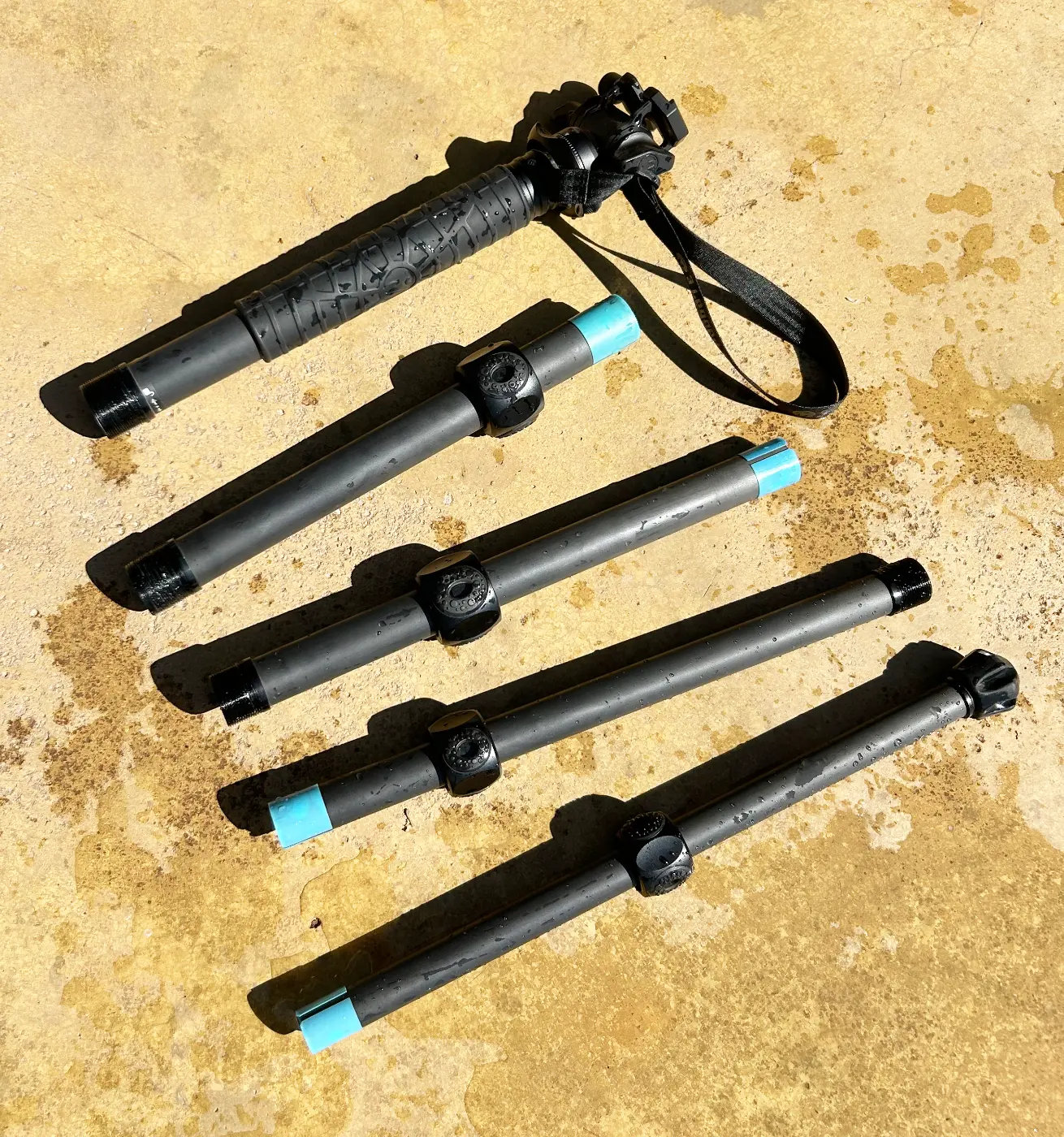
Stripped down after some dust removal in the Serolo Camp plunge pool and drying off in the Botswana sun before reassembly.
South Africa and Botswana can be incredibly dry and dusty during their winter months, and that dust gets everywhere.
Each leg section can be dismantled without fuss, allowing the internal components to be accessed quickly. The shims (or “chicken lips”) can be removed, cleaned and then everything reassembled with a light application of silicone grease, restoring smooth operation in a matter of minutes.
I am yet to experience any significant wear, but if it does occur, the shims are easy to replace and readily available as spares. That level of serviceability makes a real difference when you are relying on your kit day after day in the field.
Tilt head, not ball head
Ball heads are often thought to be the most versatile option for camera support systems. They offer full freedom of movement in every direction, which sounds ideal, especially when tracking unpredictable wildlife behaviour.
They work well on a tripod, particularly for landscape photography, but in practice, on a monopod, that freedom becomes a problem.
A monopod only has one point of contact with the ground. It is already a well controlled system. Adding a ball head introduces unrestricted movement across all axes. Instead of improving control, it multiplies variables. Every small adjustment affects pitch, roll, and yaw at the same time. That means more correction, more drift, and more attention spent stabilising the frame.
With long telephoto lenses, those small instabilities are amplified. What feels like a minor adjustment becomes much more significant at composition level. The result is a system that requires constant management rather than working in a complementary way.
A tilt head does the opposite. It restricts movement to a single, controlled tilting plane. A monopod on its own will still allow the camera to tilt, but that movement then comes from the body rather than the support system. In practice, that means you are uncomfortably having to over extend, crouch down, or compress your stance just to maintain framing.
3 Legged Thing AirHed Trinity
My own preference stays within the 3 Legged Thing system, specifically the AirHed Trinity. It is a compact pan and tilt Arca-Swiss compatible head that feels far more adaptable than its size suggests, with both movements able to be locked off independently depending on what the situation demands.
For monopod work, I typically use it with tilt engaged and pan locked. This keeps movement controlled and predictable while allowing smooth vertical adjustment without destabilising the system. It maintains a central balance point, pairing naturally with the monopod’s upright support and allowing you to follow subject movement without constantly reworking your stance.
When both pan and tilt are opened up, it becomes a very capable lightweight travel head, especially useful when space and weight are at a premium but you still want smooth, controlled movement.
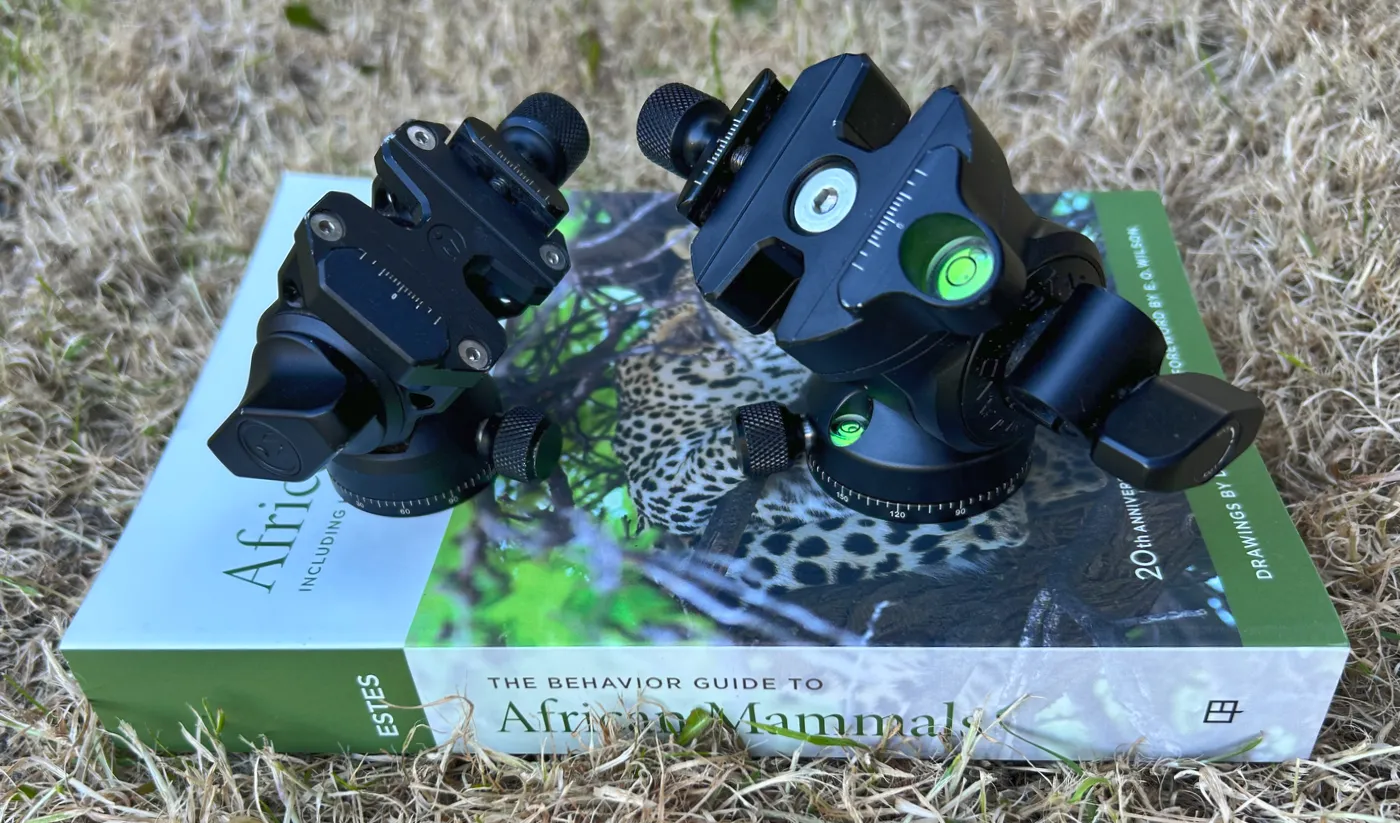
AirHeds! 3 Legged Thing AirHed Trinity (left) and AirHed Vision (right) without their arms attached.
3 Legged Thing AirHed Vision
The AirHed Trinity also has a larger sibling, the AirHed Vision. It is very similar—slightly more chunky, but by no means excessively so. Some photographers prefer that added bulk; others do not. It is ultimately personal preference, and in my case I tend to favour the smaller, lighter option. Every gram and centimetre matters when travelling.
AirHed Vision’s main advantage is its Arca-Swiss compatible clamp, which can be rotated through 90° to accommodate camera L-brackets. It also features two bubble levels, one in the base and one in the clamp.
Both the AirHed Trinity and AirHed Vision include a detachable arm intended for video work. In stills use, I tend to remove it for ease of packing and to reduce anything that might catch or interfere with quick movement inside a vehicle.
My old monopod head
Prior to the AirHed Trinity and AirHed Vision, I used the Wimberley MH-100 gimbal monopod head.
On paper, it is a capable piece of kit. The movement is smooth, and the build quality is excellent.
However, in field use I never fully got on with the offset centre of gravity. With long telephoto lenses, particularly during extended wildlife sessions, it felt noticeably awkward and unintuitive to balance and manage.
That imbalance became more apparent over a period of time waiting for behaviour to unfold. I was constantly aware of the balance point and making small compensations to keep everything stable and aligned.
It is also significantly more expensive than both the AirHed Trinity and AirHed Vision, without delivering any clear or meaningful practical advantage in real-world field use to justify the additional cost. Both AirHed models also have the advantage of doubling as very capable compact pan and tilt tripod heads, adding versatility that the Wimberley does not offer.
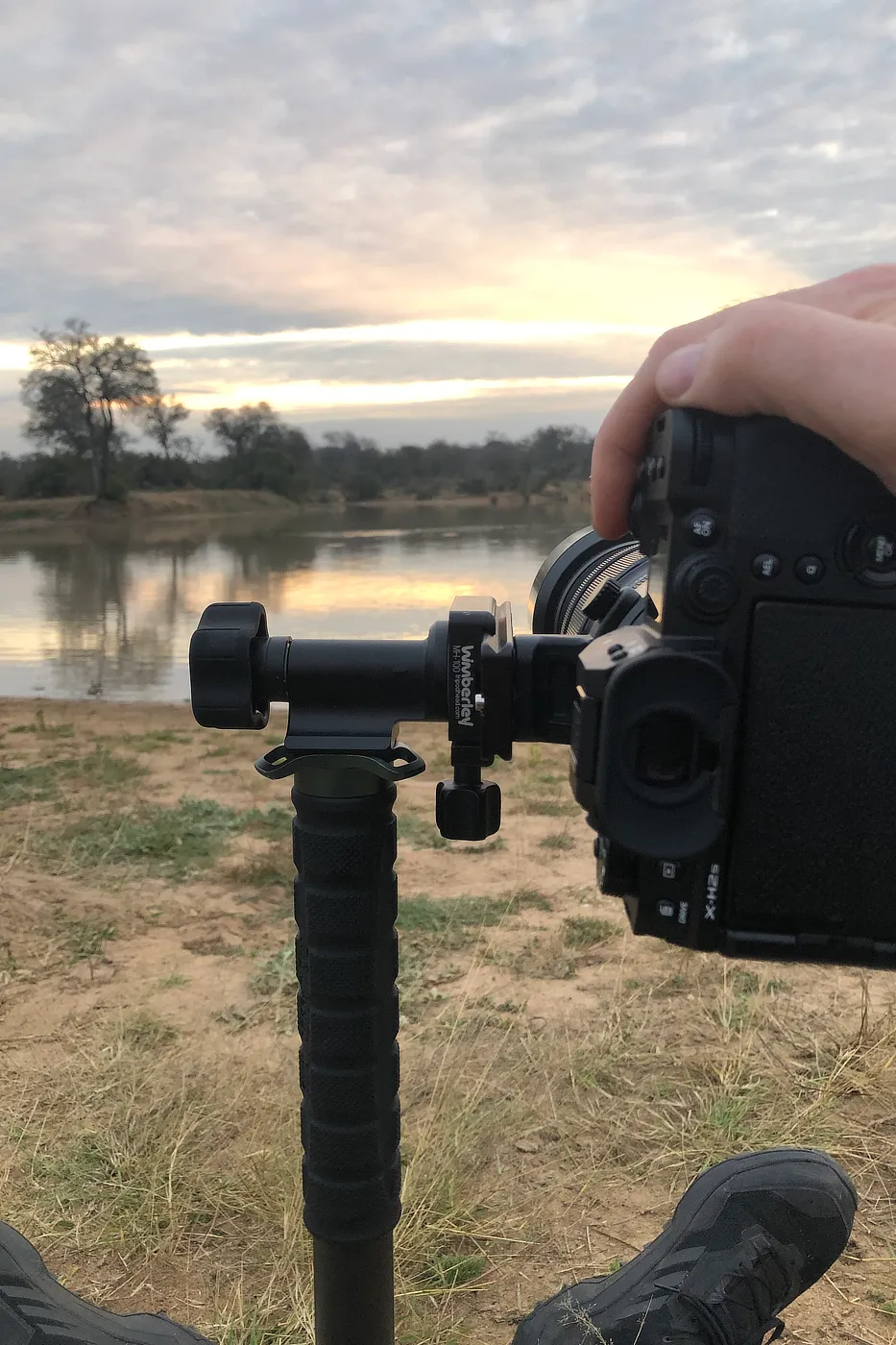
The Wimberley MH-100 gimbal monopod head with its offset centre of gravity.
Let’s talk about Docz
At the base of the system sits the optional 3 Legged Thing Docz. Its primary role is simple, to replace the standard rubber foot with a wider stabilising platform.
It is particularly advantageous for video, especially when working with a number of extras such as a field monitor and sound recorder attached to the camera affecting balance or centre of gravity.
But for me, it also serves many other purposes.
With its three-leg design, Docz becomes a very effective support. It is not a replacement for a full tripod, but when space is limited, it works brilliantly as a compact tabletop tripod, or a ground-level or support on a wildlife hide shelf.
Beyond that, I often use it for holding a sound recorder, a field monitor, or even a remote 360° camera or trailcam. It is one of those pieces of kit that proves its place in my camera bag for its sheer versatility.
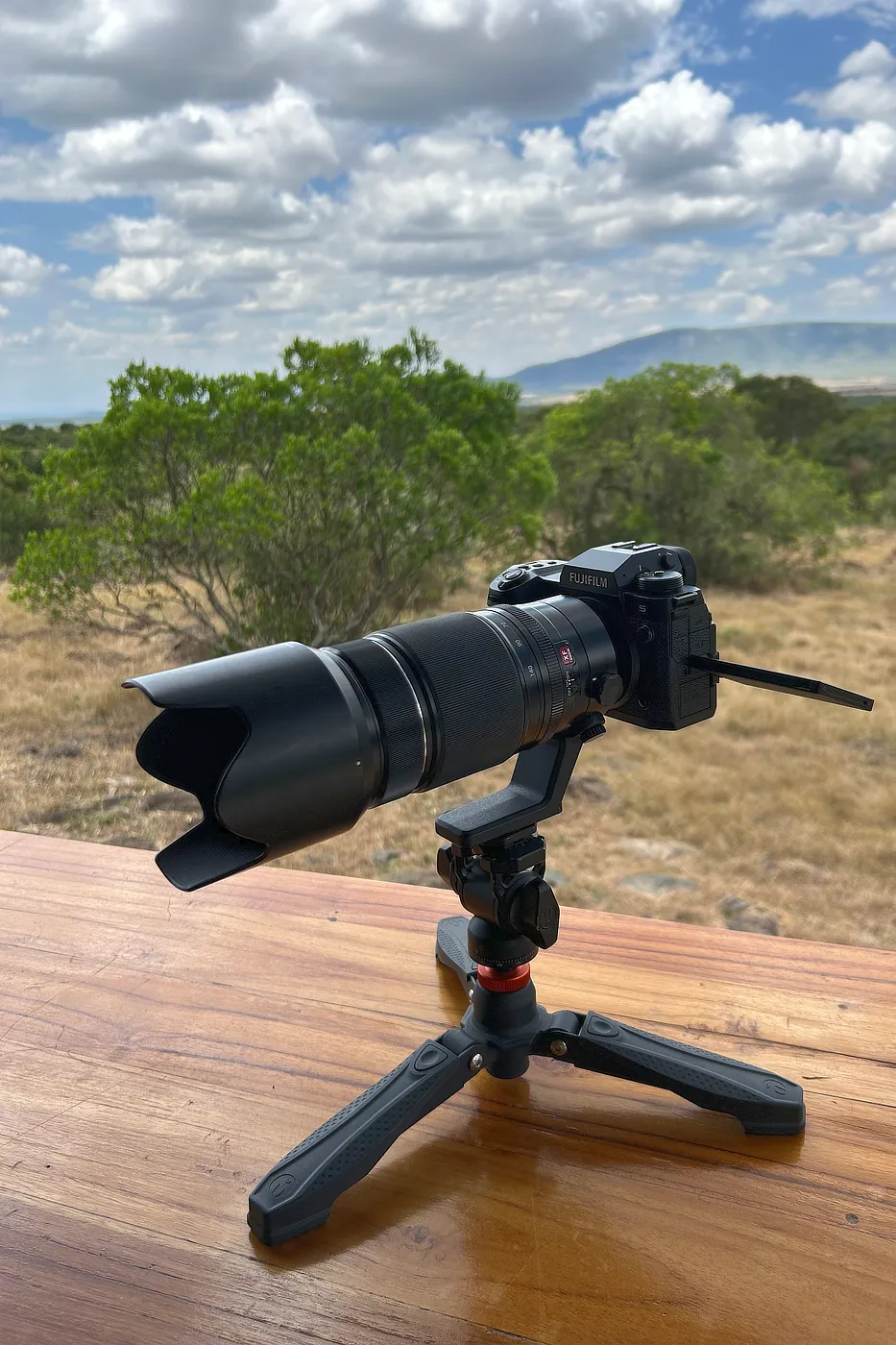
Docz monopod stabiliser being used as a table top tripod with the AirHed Trinity at Mattikoko Safari Camp, Lemek Conservancy.
Ultra Clamp
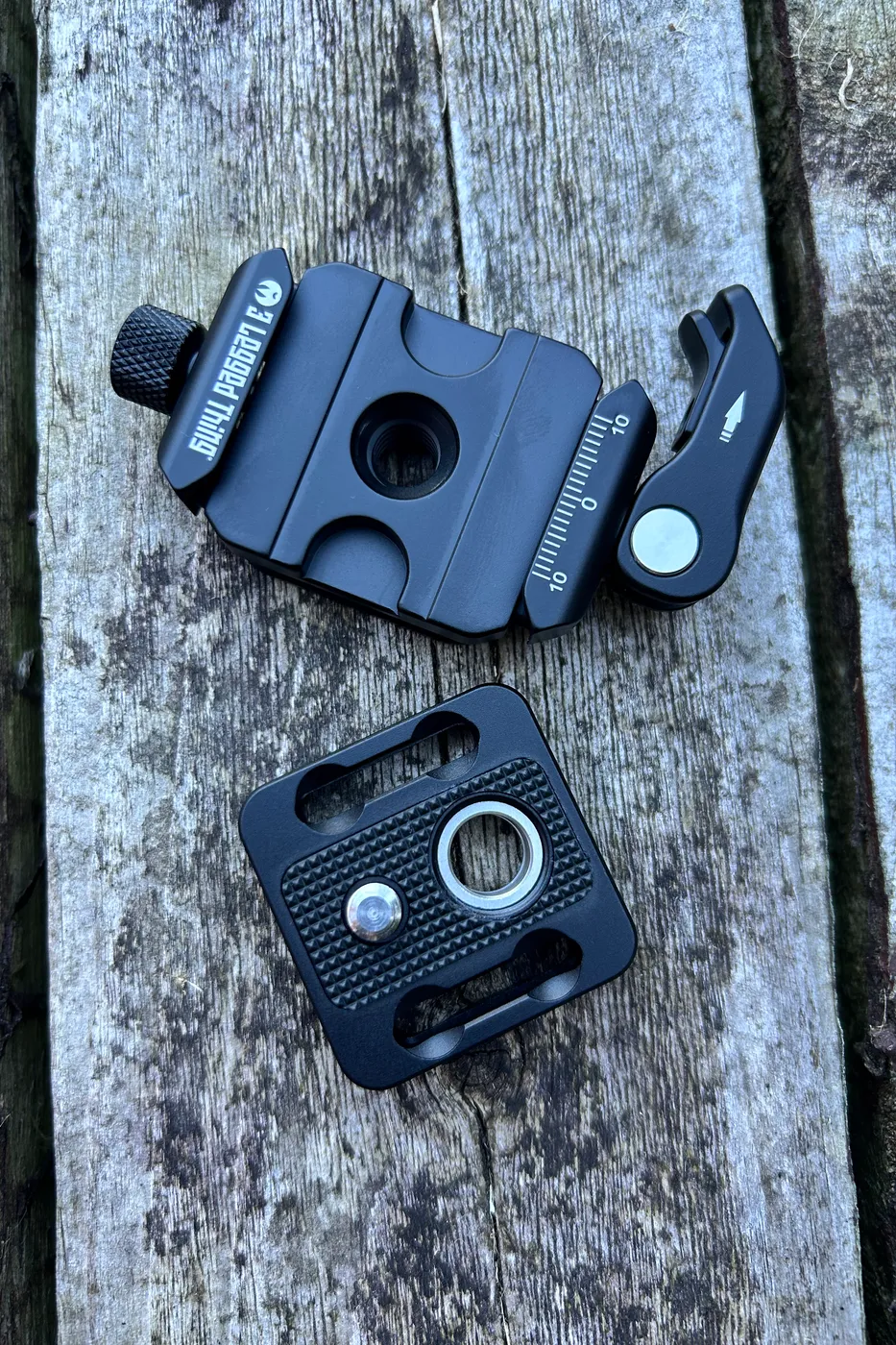
Ultra Clamp (top) and QD-Compatible plate (bottom).
The 3 Legged Thing Ultra Clamp is the newest addition to my monopod kit. It is a multi-function Arca-Swiss compatible clamp that integrates with the AirHed Trinity and AirHed Vision.
In use, it is the combination of lever and twist adjustment that stands out. The lever allows for quick lens changes, while the twist mechanism gives fine control over tension. That becomes useful when correcting any slight play or wobble caused by small variations between Arca-Swiss plates.
The square base can be mounted in four orientations, which is particularly useful when working with an L-bracket and trying to keep the setup simple and intuitive.
There is also a built-in safety catch to prevent accidental release, which adds reassurance when working with heavier lenses in unpredictable situations.
It is available as a standalone clamp, or paired with a QD-compatible plate for use with the 3 Legged Thing AXIS strap system, adding another layer of flexibility depending on how you like to carry your kit in the field.
Versatility (Is king!)
The strength of this setup is its modular versatility in the field. The monopod provides lightweight yet strong support when mobility matters. The AirHed Trinity and AirHed Vision tilt heads add perfectly controlled movement and the 3 Legged Thing Docz can be added for ground stability, or deployed as a very capable low-level support when the situation calls for it. The Ultra Clamp helps speed up secure lens changes.
Versatility and reliability are critical in wildlife photography, especially when travel is part of the equation. You are constantly moving between locations, working in changing light, and responding to unpredictable subject behaviour. Opportunities are often brief and never repeat in exactly the same way.
A versatile, reliable system ensures your kit can adapt instantly without failure points or delays, whether you are in a vehicle, on uneven ground, working in remote conditions with multiple cameras. It keeps the focus on reacting to behaviour rather than managing equipment or worrying about whether your setup will hold up.
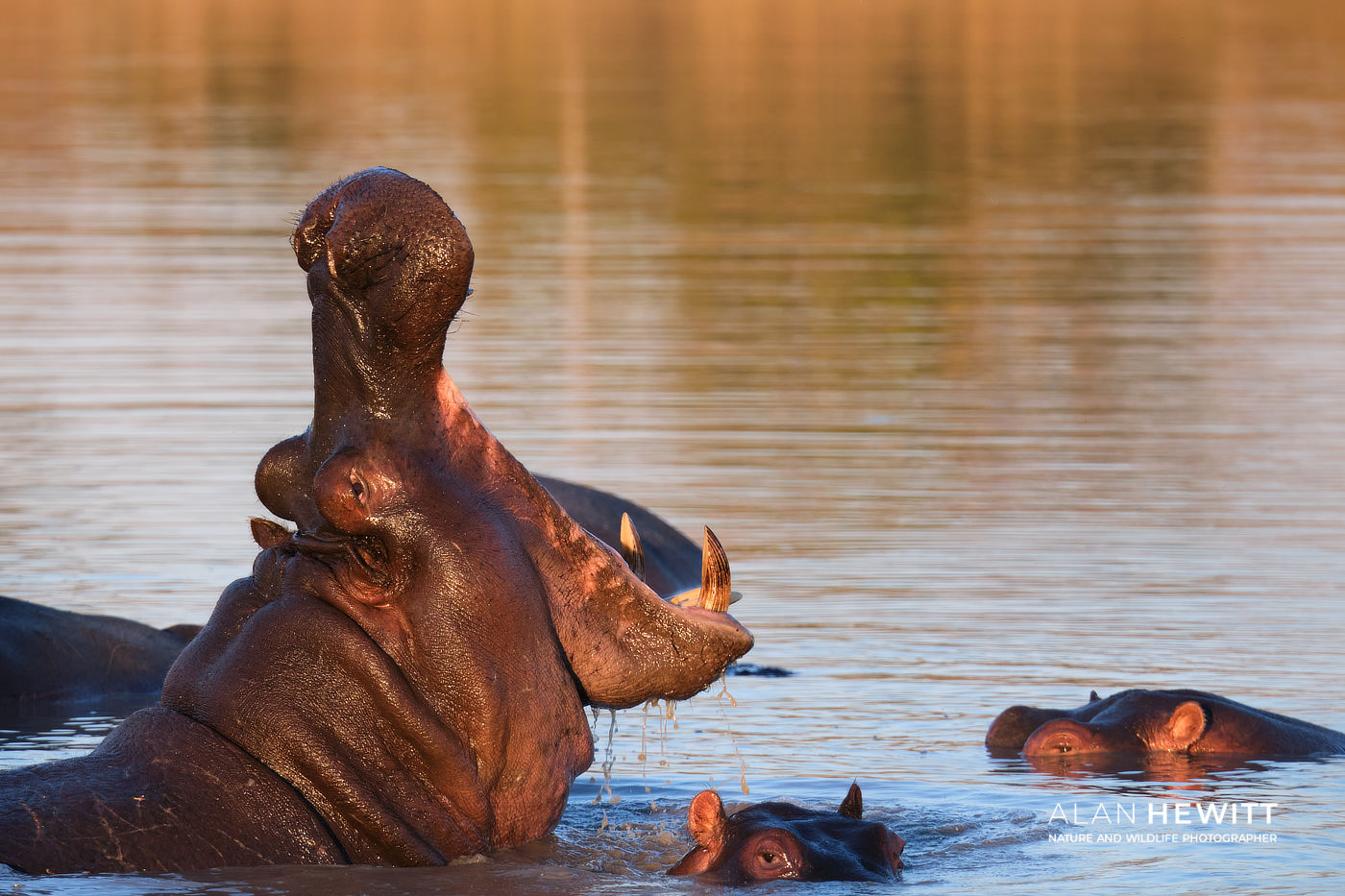
Waiting for a hippo to yawn is like a lion, we know it will happen and without a monopod we know it will happen when we rest our arms!
Final Words
3 Legged Thing do not pay me to write content like this. We use their kit because it works very well. It is versatile, reliable and well made, and they are a British company. Importantly, they are also responsive to feedback and ideas from photographers actually using it in the field. That matters. One final note, their social media is excellent, with a strong dose of humour that makes it well worth following.
Podcasts: Monopods and tilt heads on safari
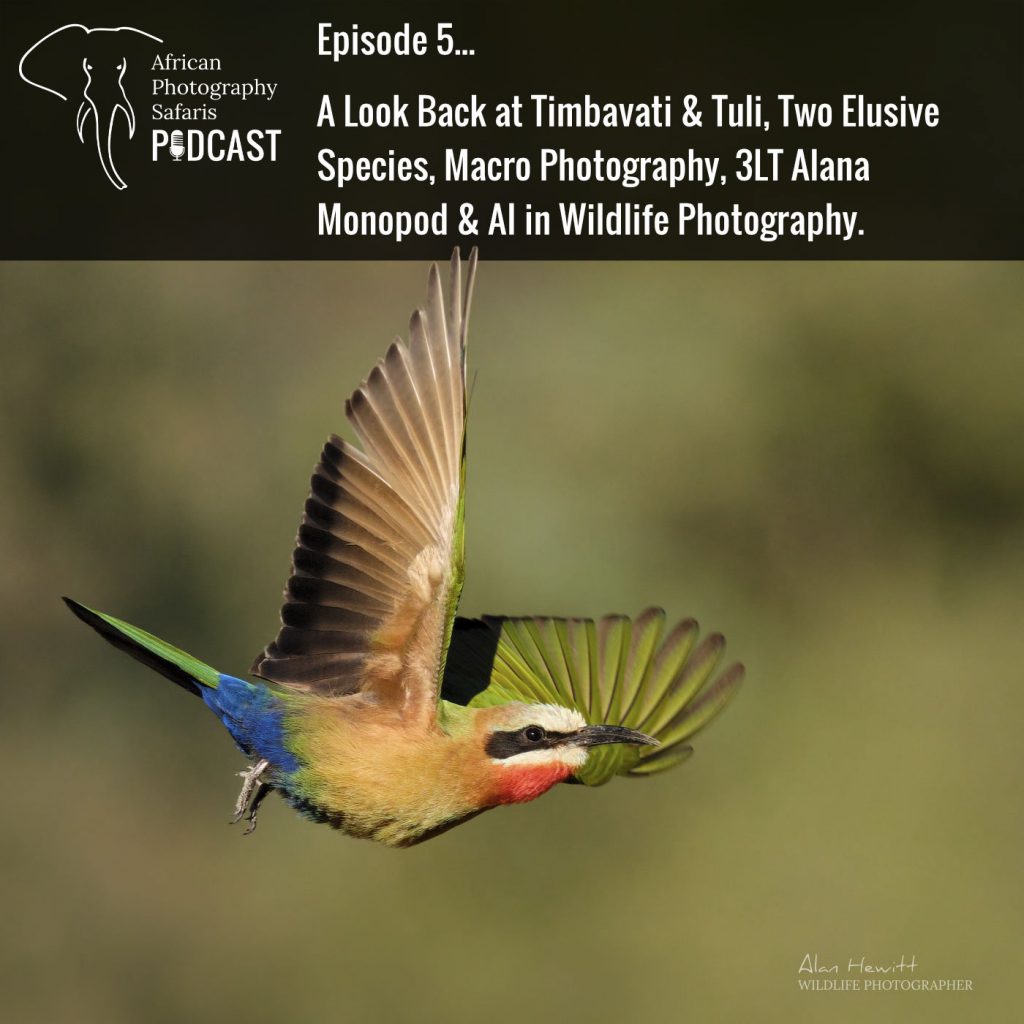
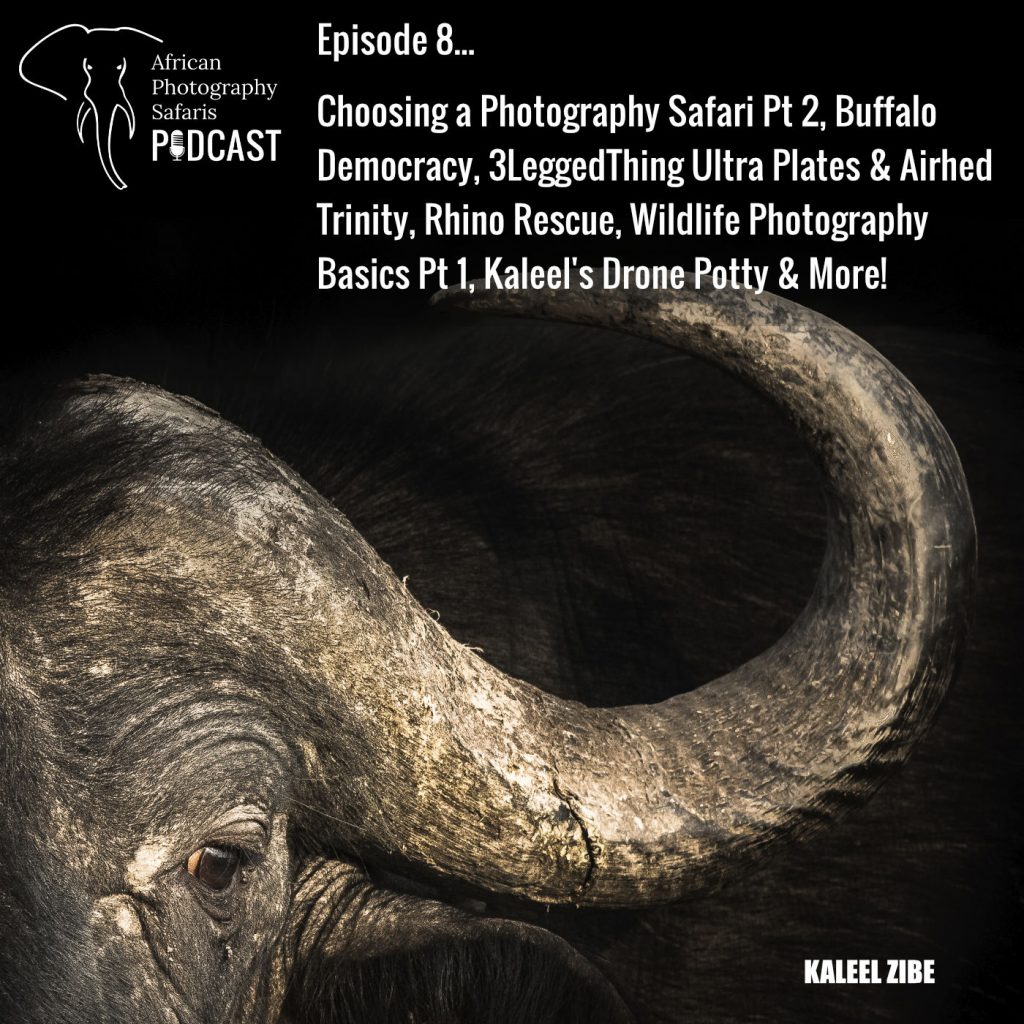
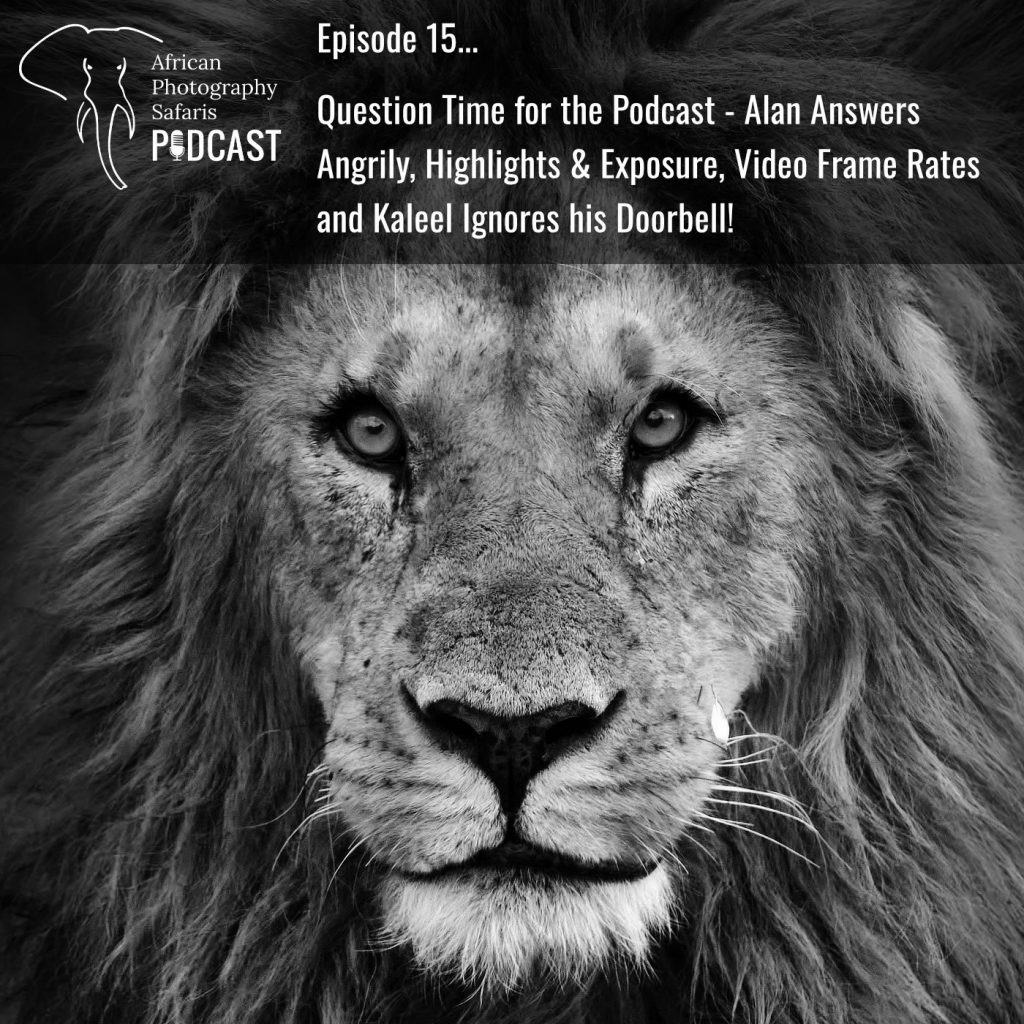
We’ve talked through monopods, tilt heads, and how we use them in the field across the following podcast episodes…
Links
Some links are affiliate links, meaning I may earn a small commission if you buy through them. It never affects my recommendations – I was using this gear in the field long before I had these links! It doesn’t cost you anything extra and it helps fund time for writing and podcasts, thank you.
3 Legged Thing
Alana Monopod with / without Docz
AirHed Trinity
AirHed Vision
Docz
Ultra Clamp


Leave a Reply