
In episode 19 of our podcast we’re asking “Who is Really the King?”
The phrase “King of the Jungle” is almost universally linked with the African lion. But is the lion actually the most influential mammal in the sub-Saharan ecosystem, and does it really deserve some sort of noble crown?
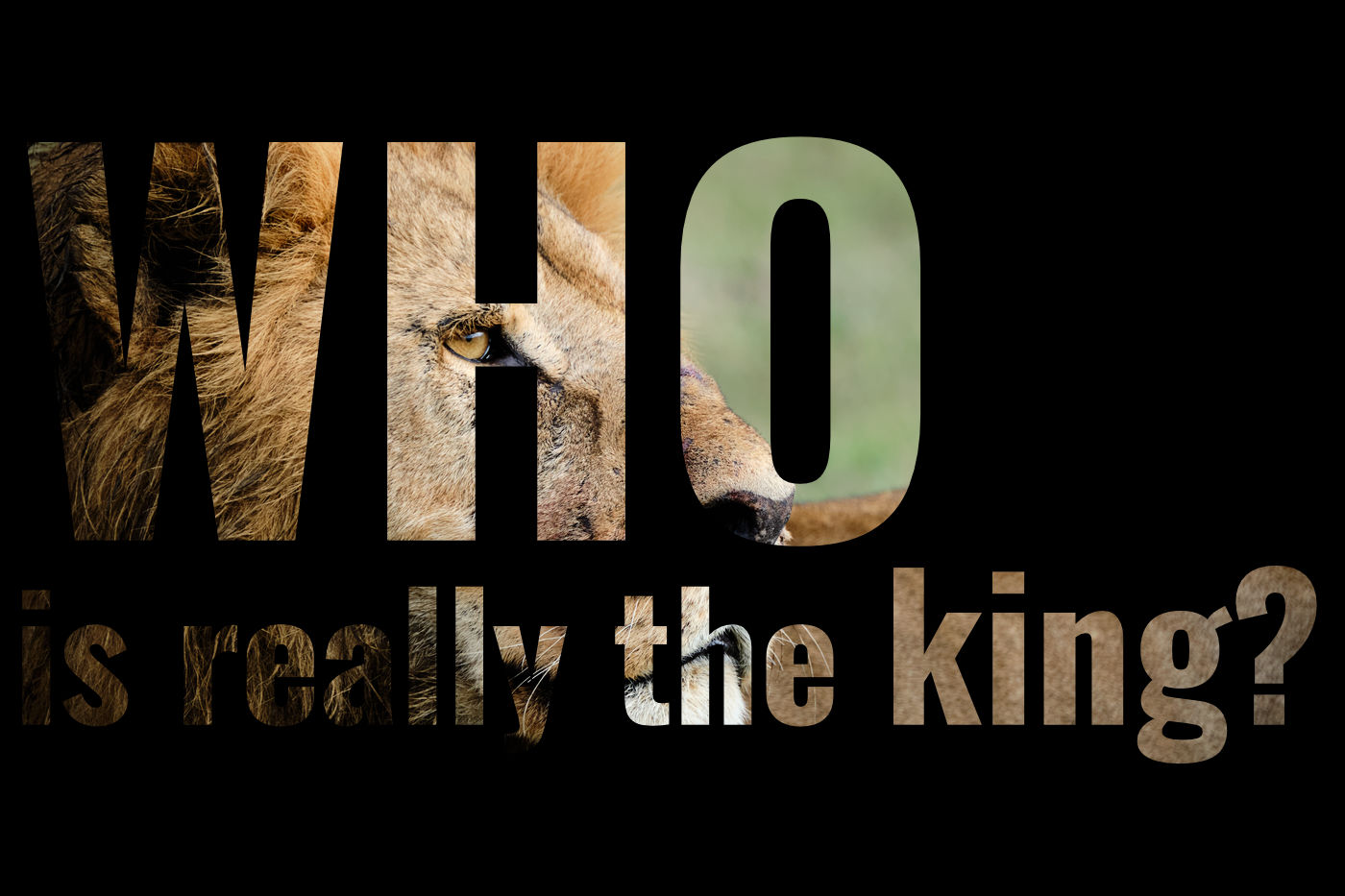
The jungle?
Let’s get the misnomer out of the way first. African lions don’t actually live in jungles. Their habitats are open savanna, bushveld and even arid desert. The term “jungle” is more accurately associated with dense tropical rainforest, such as the Congo Basin, Amazon and parts of Southeast Asia.
Perhaps part of the explanation lies in the way unfamiliar wild landscapes were historically described, particularly during the colonial era, when “jungle” was used loosely to describe almost any remote environment. Whatever its origins, the phrase has endured. But it is the idea of the lion as a king, rather than the questionable choice of habitat, that is more interesting.
Why the lion?
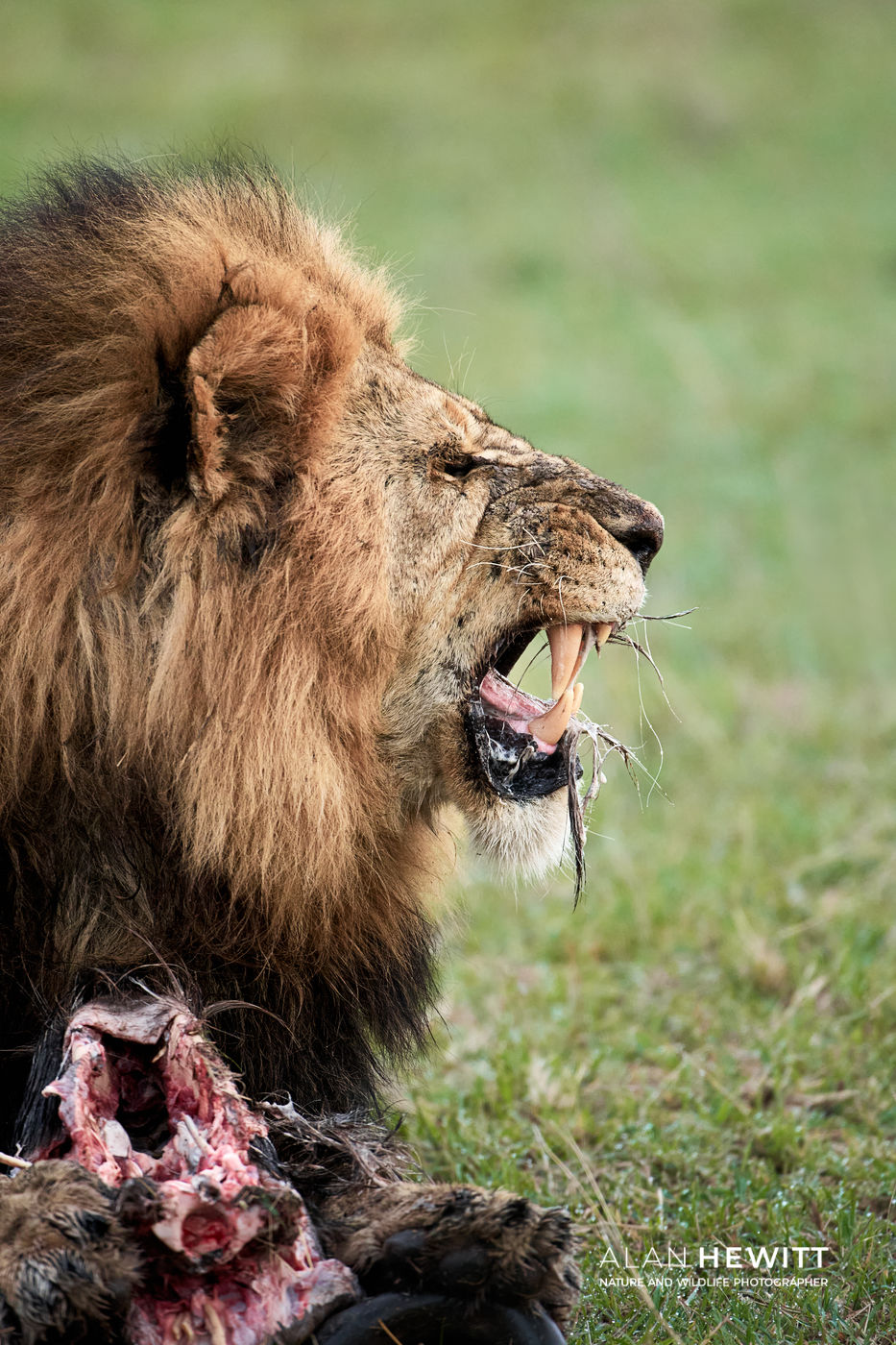
The lion’s case is certainly compelling. It is an apex predator, capable of taking down prey many times its own size, and its presence can have a significant influence on the behaviour of other animals. Lions compete with other predators, defend territories and, through predation, influence the population and behaviour of the herbivores around them.
They are also highly social, living in prides where individuals cooperate to defend territory, raise young and hunt. Their social structure gives lions an advantage over many of the species they compete with.
Add the physical presence of an adult male lion, complete with a mane, a roar that can carry for several kilometres and an ability to dominate a carcass simply through intimidation, and it is not difficult to understand how we arrived at the idea of a king.
But is being an apex predator automatically enough to earn the crown? Nature doesn’t have a simple hierarchy in the way this term suggests.
Who are the predator contenders?
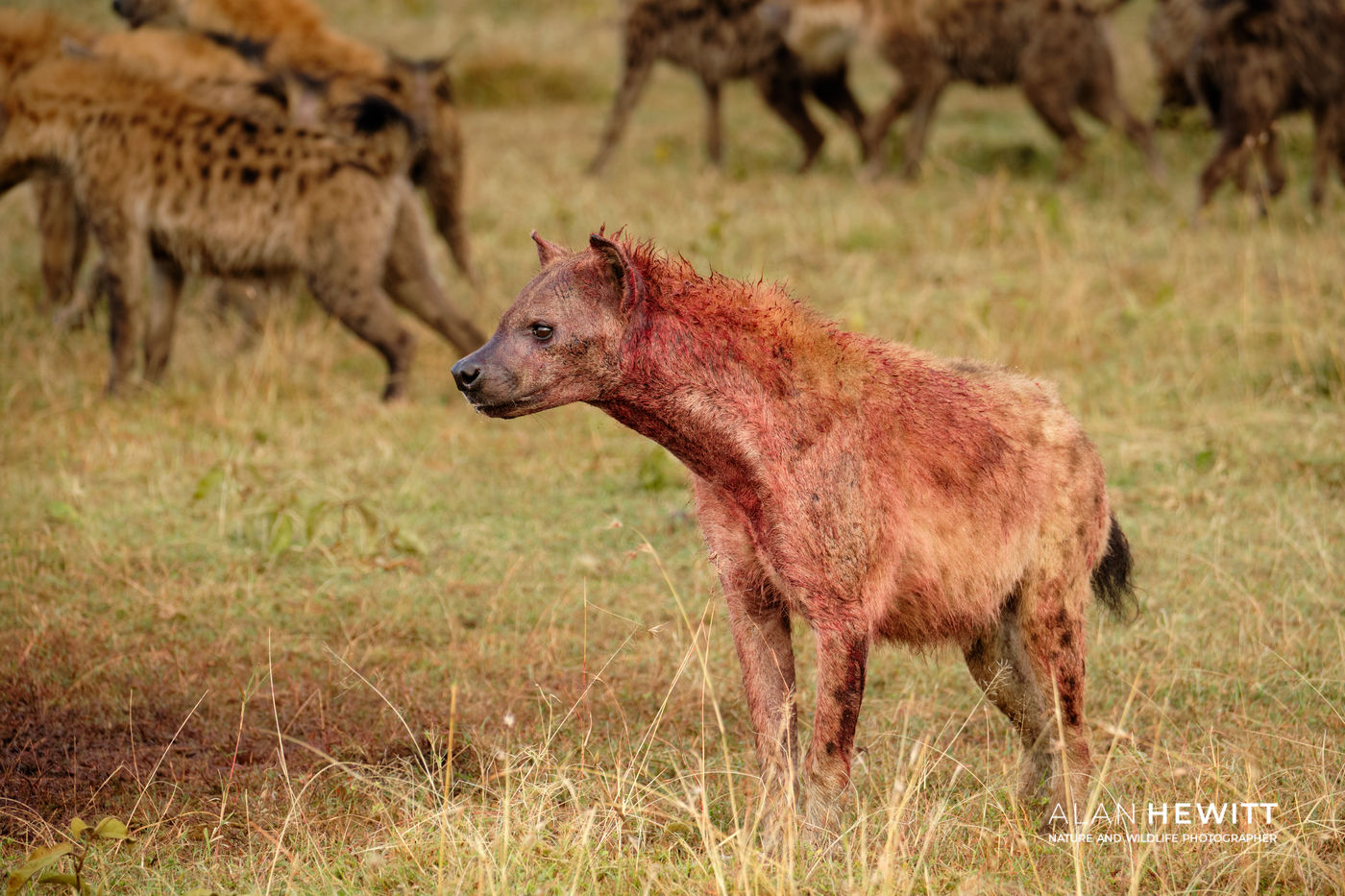
Spotted hyenas regularly compete with lions for food. Despite being smaller, they can sometimes dominate a carcass through the strength of the clan.
Contrary to the common perception, hyenas are not simply scavengers. They are highly effective hunters and obtain much of their food through active predation. Of course, lions are hunters too, but they are absolutely opportunistic scavengers and will readily take advantage of kills made by other predators.
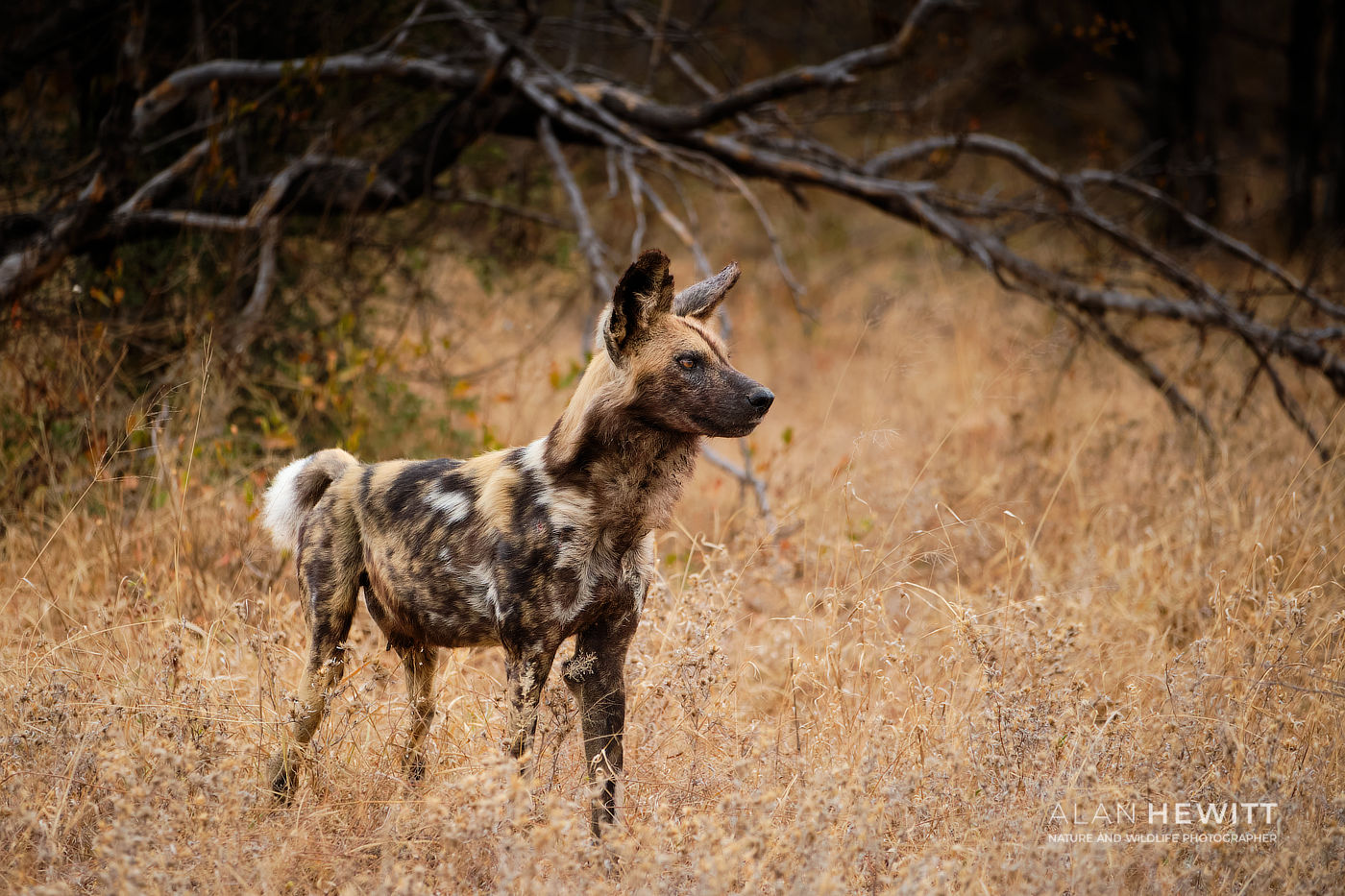
Then there are African wild dogs. They are exceptionally efficient cooperative hunters. Their success comes from intelligence, teamwork, stamina and coordination rather than brute strength. Their social behaviour adds another interesting dimension. Wild dogs can be remarkably altruistic within the pack. Adults will share food with pups and injured or weaker members, sometimes going without themselves.
So should the crown go to the animal that hunts most effectively, or the one with the strongest social structure?
Perhaps we should bring crocodiles into the discussion too. They are formidable predators and can kill the largest of prey. Around water, they can be the animal that everything else, apart from hippos, needs to think twice about. Their influence becomes much more limited once you move away from aquatic habitats.
What about the herbivores?
There are also plenty of herbivores that make a hierarchy based purely on predation far more complicated.
Take the Cape buffalo, for example. Lions can bring down buffalo, usually through the combined effort of several pride members, but an adult buffalo can also kill a lion. They are particularly dangerous when defending themselves as a group.
Elephants sit outside this predator hierarchy altogether, yet their influence on the ecosystem can be enormous. As a keystone species, they can physically reshape the landscape through their feeding and movement. They open up woodland, disperse seeds and create opportunities for other species. Their sheer size, tusks and strength can also command remarkable respect from predators.
I’ve watched elephants cause smaller groups of lions to flee, and I’ve seen rhino have the same effect.
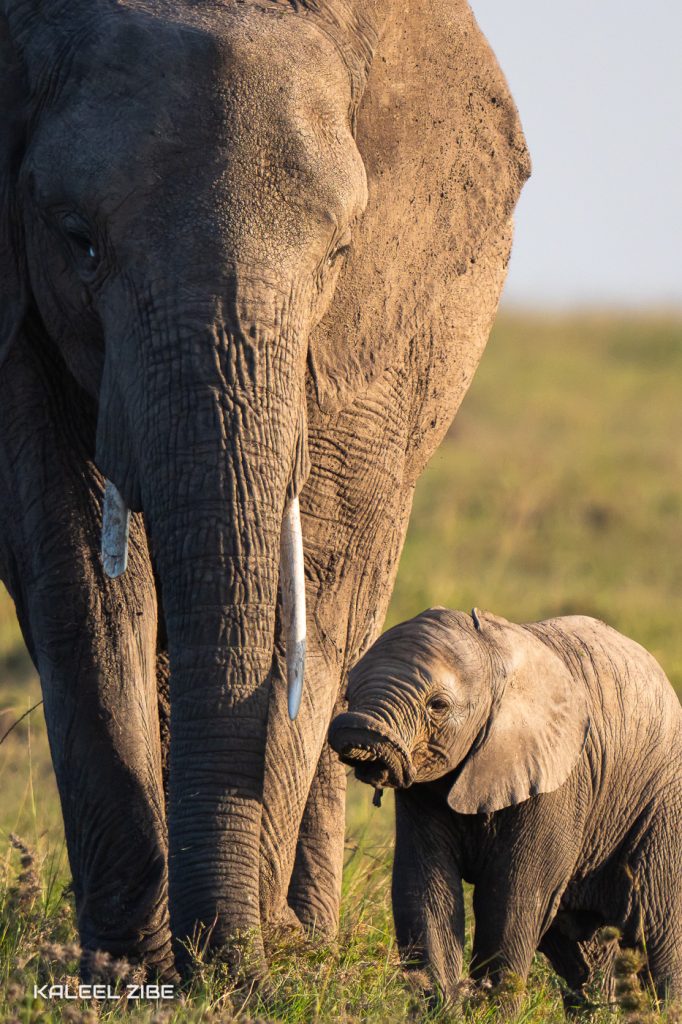
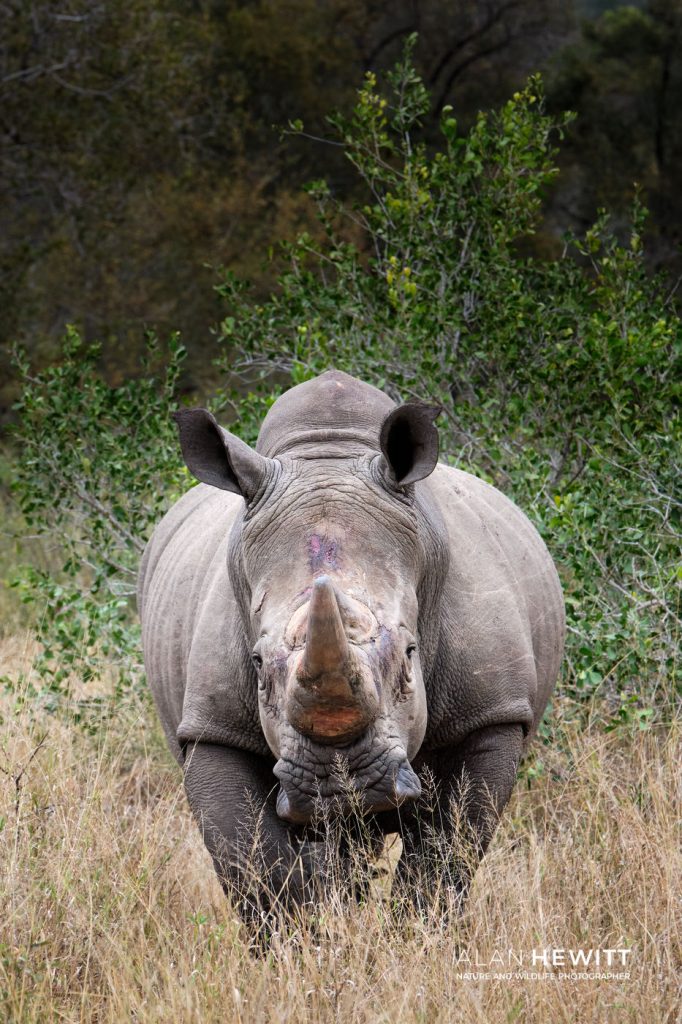
A lion may be an apex predator, but that doesn’t mean it wants to pick a fight with an animal weighing two tonnes.
Rhino also influence their environment through grazing or browsing, depending on the species. Their feeding helps shape vegetation and maintain different habitat structures. Their size, thick skin and formidable horns also make them a difficult proposition for predators, particularly when they feel threatened.
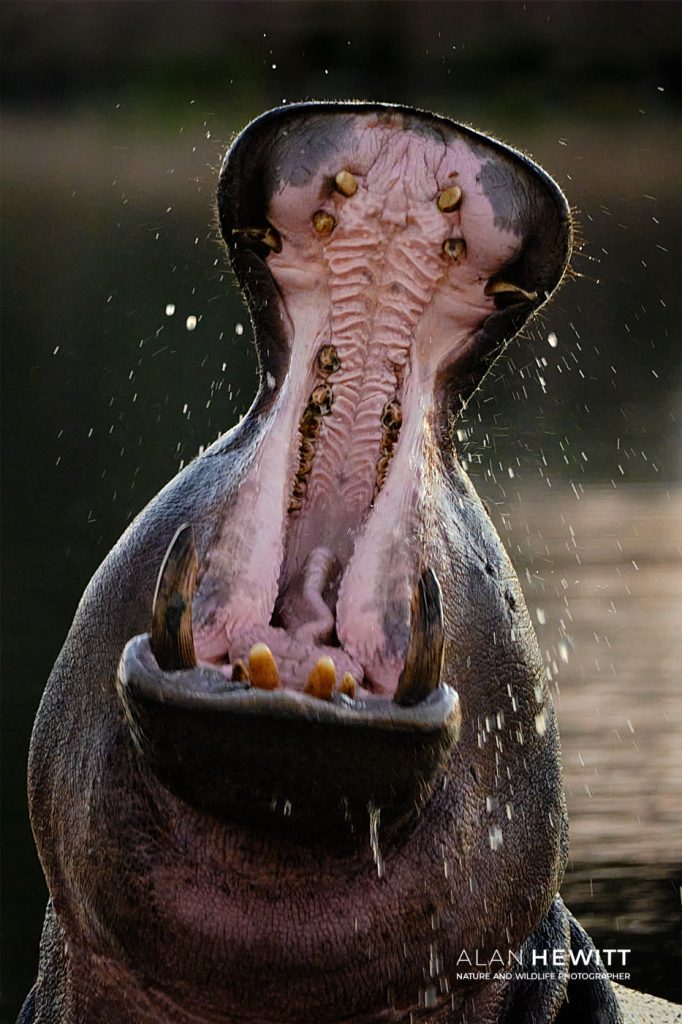
Then there is the hippo, which brings another dimension to the argument. They spend much of the day in water but feed on land at night, where their grazing can heavily influence vegetation around rivers and lakes. They are also highly territorial and can be extremely aggressive when threatened.
A hippo has a huge bite, with powerful jaws and large teeth capable of inflicting serious injury. They are even capable of biting and seriously injuring Nile crocodiles. Even lions tend to give adult hippos a wide berth. Their size, aggression and aquatic advantage make them a formidable opponent.
So perhaps being the biggest, strongest or most dangerous isn’t enough either.
Who deserves the crown?
We are being very general here, and that’s deliberate. This isn’t an attempt to declare a winner or create another wildlife hierarchy. It’s about adding to the discussion and looking at the different ways species influence their environment.
And this is where we want you involved.
If you could give the crown to one mammal in sub-Saharan Africa, who would it be, and most importantly, why?
Is it the lion, hyena, elephant, hippo, wild dog, rhino or something completely different? And just for the avoidance of doubt, we mean non-human!
There is no right answer here. We want to hear your reasoning too, so don’t just give us the name. Make your case for who is really the king!
And, as per Kaleel’s podcast plea… no tigers!
Let us know in the comments. If somebody can give us the most genuinely compelling argument for the honey badger, we’ll even pay your beer bill if you join us in Kenya!
Listen to episode 19 of the African Photography Safaris Podcast



Leave a Reply