Framing the Wild, a series of behind-the-scenes blog posts exploring how we see, compose, and decide which moments in the wild become photographs worth taking and keeping.
This photograph is from 2024 when we were out on one of our morning drives. A small herd of elephants were moving across the plains on a plateau just above the gentle hillside where Mattikoko Safari Camp sits. Beautiful gentle light with a contrasting moody sky as a backdrop were key elements of this photograph.
From Blog Inspiration to Safari Adventure!
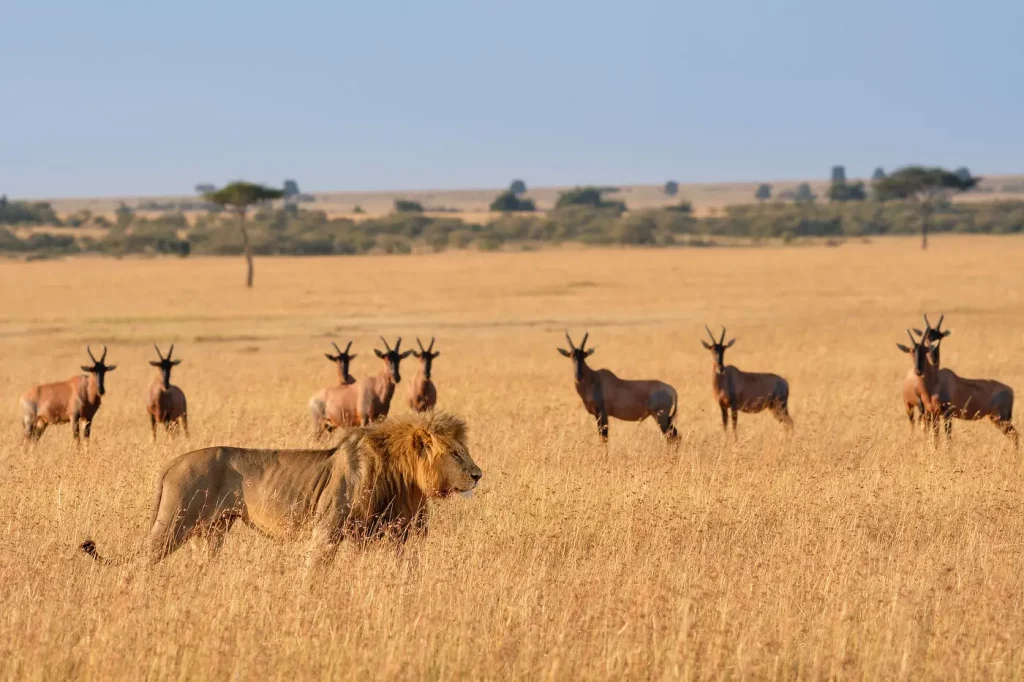
Kenya’s Maasai Mara Photography Safari
26th August 2027
7 or 11 nights available
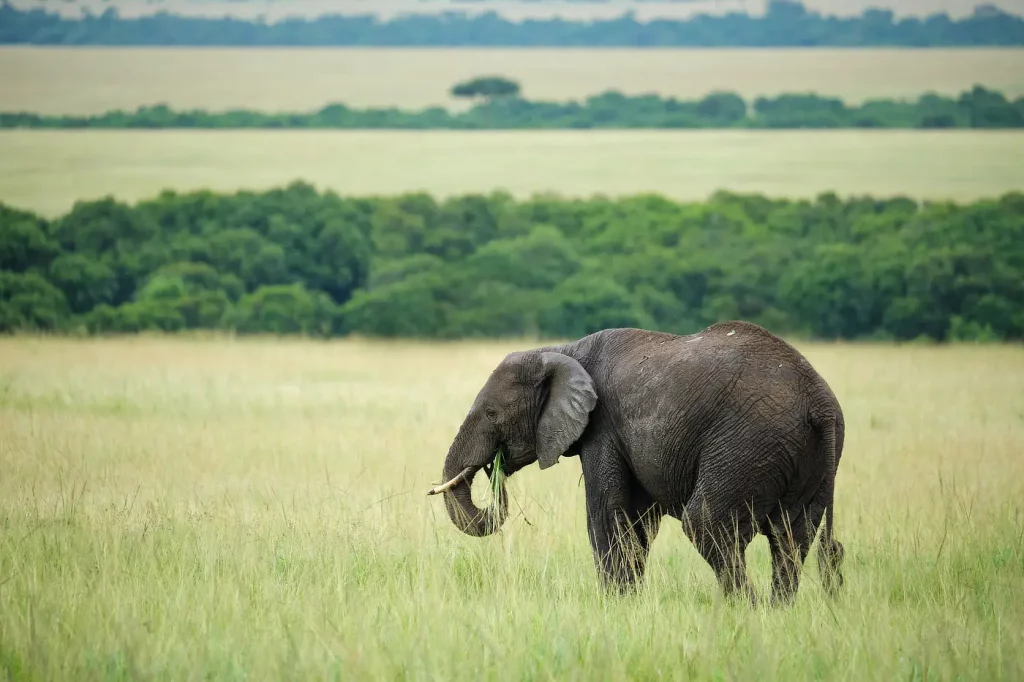
Kenya’s Maasai Mara Photography Safari – The Green Season
March 2028 (TBC)
7 or 11 nights available
Supporting conservation and communities through ethical safaris. Join us on unforgettable photography safaris led by professional guides and photographers.

African Photography Safaris Ltd. is a member of Protected Trust Services, providing financial protection under UK Package Travel Regulations.
Composition of the Elephants and Balanite Tree
I photographed this scene using the Fujifilm GFX100SII medium format camera and a GF500mm lens. The GFX’s high resolution meant I could preserve the fine detail in the scene, with the potential to produce a huge print without sacrificing image quality. Our position, and the elephants were perfect for the focal length of 500mm.
1 – Elephants
From our position looking slightly upwards towards the plateau above Mattikoko, the elephants were moving towards one of the iconic balanite (or desert date) trees. I prepared my composition with the elephants low in the frame, with the balanite tree included and plenty of space above them. I waited until two of the elephants were beneath the branches, one on each side of the tree trunk.
Despite using a 500mm lens, the elephants occupy relatively little of the frame. Rather than getting closer to make them larger, I wanted to retain the relationship between the animals, the tree and show our largest and heaviest land mammal in the vastness of the surrounding habitat.
A tighter composition would have given the elephants greater prominence but lost much of the context that attracted me to the composition in the first place.
2 – Tree
The large balanite tree sits roughly around the left vertical third, providing a strong anchor for the composition. It balances the elephants, which stretch horizontally across the lower part of the frame.
The tree also helps establish a sense of place. Including recognisable features of the habitat can add context to a wildlife photograph, rather than presenting the elephants in isolation.
3 – Negative Space
The dark blue grey sky occupies much of the frame, contrasting with the gentle light falling on the elephants. Although cloudless, the sky gives the image a moody feel.
I wanted to retain this negative space rather than crop more tightly. It balances the composition and allows the elephants to stand out against the darker background.
4 – Negative Space
One of the elephants is a tuskless female, which I deliberately included in the composition.
Tuskless elephants can occur naturally in African elephants, although its prevalence with females has often been influenced by ivory poaching.
Including her in the composition preserves a natural history detail that might otherwise be overlooked.
Final Words
There is no dramatic behaviour here. The photograph is about composition, light, scale and a natural history detail. It is a reminder that sometimes, the wider view tells the better story and wildlife photography isn’t always about getting closer.


Leave a Reply