
In wildlife photography, common species are often overlooked in favour of impact. Many photographers become so focused on iconic species such as the “Big Five” that they risk overlooking many other fascinating and photogenic animals sharing the very same ecosystems. Across Africa south of the Sahara there are a raft of species that are often taken for granted. On the plains of the Mara, plains game is everywhere you look: zebra, topi, gazelles, hartebeest and impala. In South Africa’s bushveld, common antelope are everywhere: duiker, steenbok, kudu, nyala and impala.
Among the most numerous of all are wildebeest, yet it is never just another wildebeest. Every species has a natural history story to tell and each one of the four photographs in this blog post does just that. It may be subtle, but it is there. Post your answers in the comments!
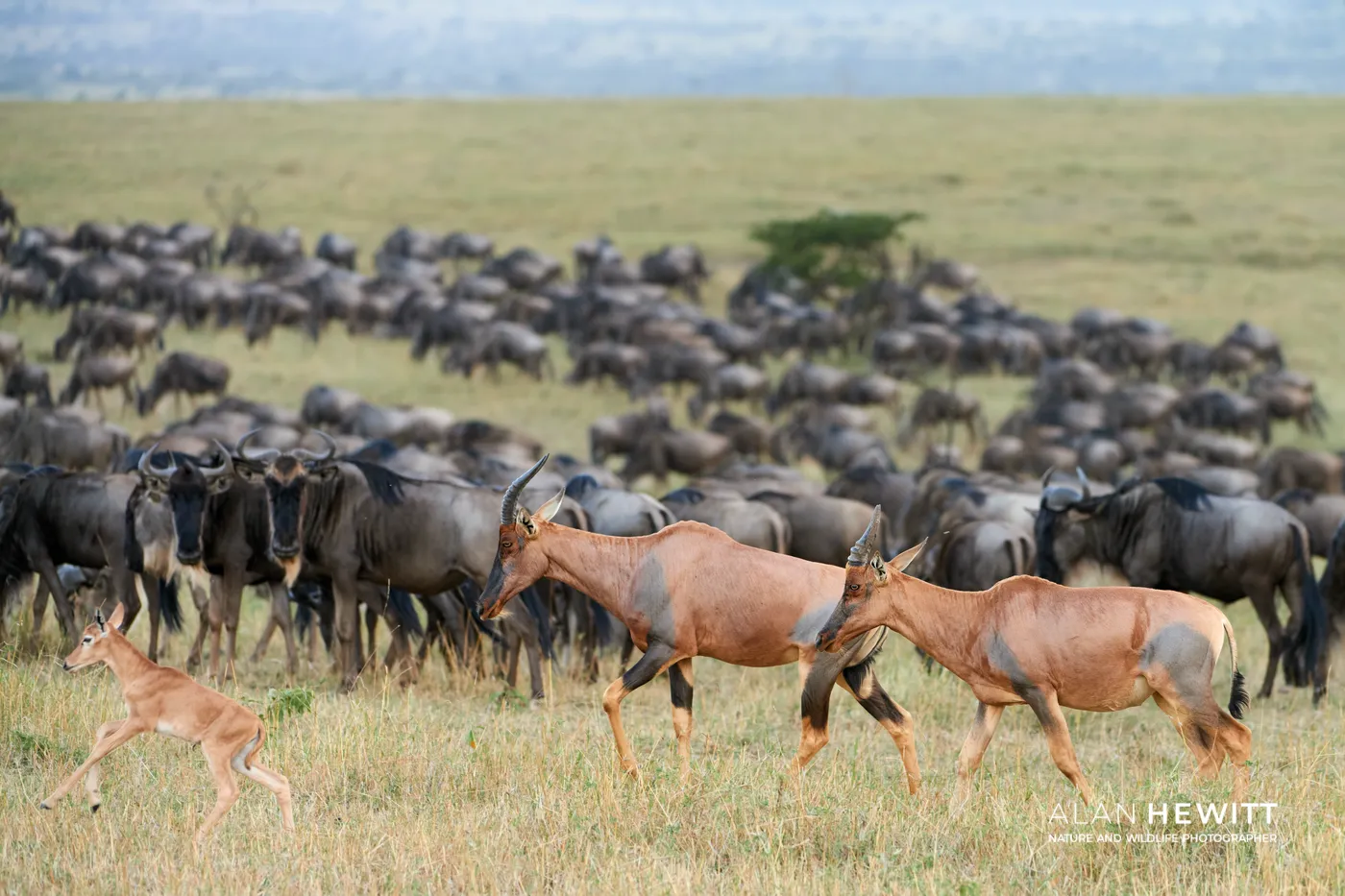
1. Topi with a western white-bearded wildebeest herd. Maasai Mara.
The pull of iconic species
These animals are almost constantly present, so visually familiar that they are rarely granted the same attention as more “special” sightings, despite being central to the ecosystems we travel so far to witness. This is understandable, as most people travelling to sub-Saharan Africa dream of lions, leopards, cheetahs and elephants. These are often the species that dominate photography portfolios and social media feeds. It is natural to gravitate towards the animals that first inspired the journey, especially if time is limted in the field.
From Blog Inspiration to Safari Adventure!
Kenya’s Maasai Mara Photography Safari
26th August 2027
7 or 11 nights available
Kenya’s Maasai Mara Photography Safari – The Green Season
March 2028 (TBC)
7 or 11 nights available
Supporting conservation and communities through ethical safaris. Join us on unforgettable photography safaris led by professional guides and photographers.

African Photography Safaris Ltd. is a member of Protected Trust Services, providing financial protection under UK Package Travel Regulations.
The pull of iconic species
But wildlife photography should not be just about charismatic megafauna. Every species has a contributes something to the wider narrative of the ecosystem. The impala browsing beneath an acacia tree, the wildebeest grazing on the plains and the zebra standing alert at a waterhole all play roles in a complex web of relationships that make Africa what it is. Every species has a role, and every encounter is part of a wider story that deserves a place in your safari portfolio.
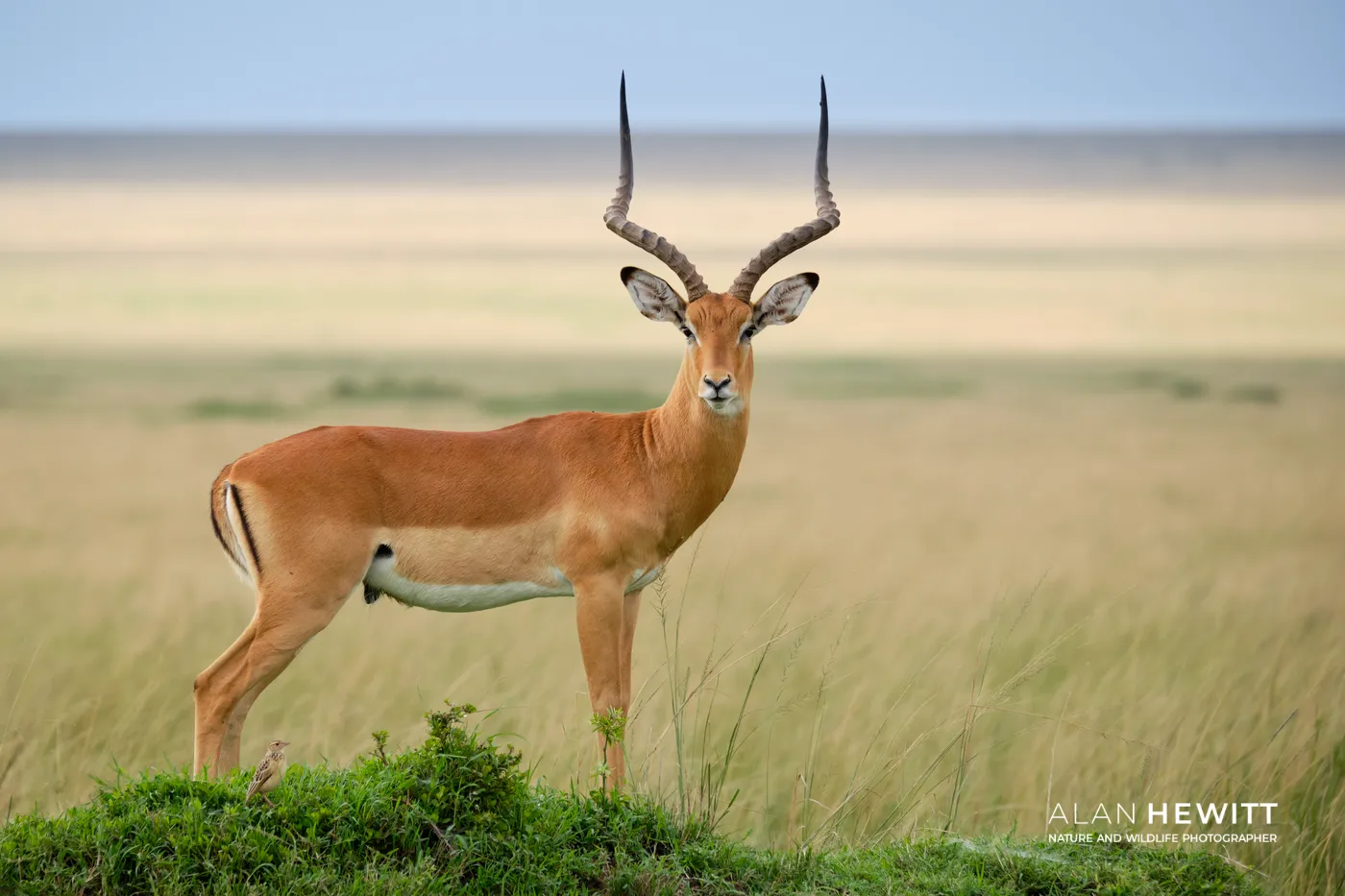
2. Male Impala. There’s another story here, with an additional subject. Plain-backed or buffy pipit? We aren’t sure! Some of these LBJs are difficult to ID.
The value of common species
In wildlife photography, common species offer incredibly valuable photographic opportunities. We can spend an hour or two with a leopard and still leave with photographs that are destined to fall victim to the delete button. Yet a herd of impala in good light can provide endless compositions, behavioural moments and subtle interactions. There is a quiet discipline in learning to see these species properly, to slow down enough to notice the ear flick of a zebra, the dust rising behind a running wildebeest, or the oxpecker on the back of a kudu. These are not lesser moments. They are simply less obvious ones.
That said, we will not usually spend an hour or two with an impala or wildebeest unless something exceptional is happening. But equally, we will always stop if someone in the vehicle wants the opportunity to add to their photographic portfolio.
Spending a bit of time photographing and watching common species makes you realise that the habitat is not just a stage for the rare or spectacular. It impresses upon you that every animal, from the most elusive leopard to the most abundant wildebeest, is worth your attention.
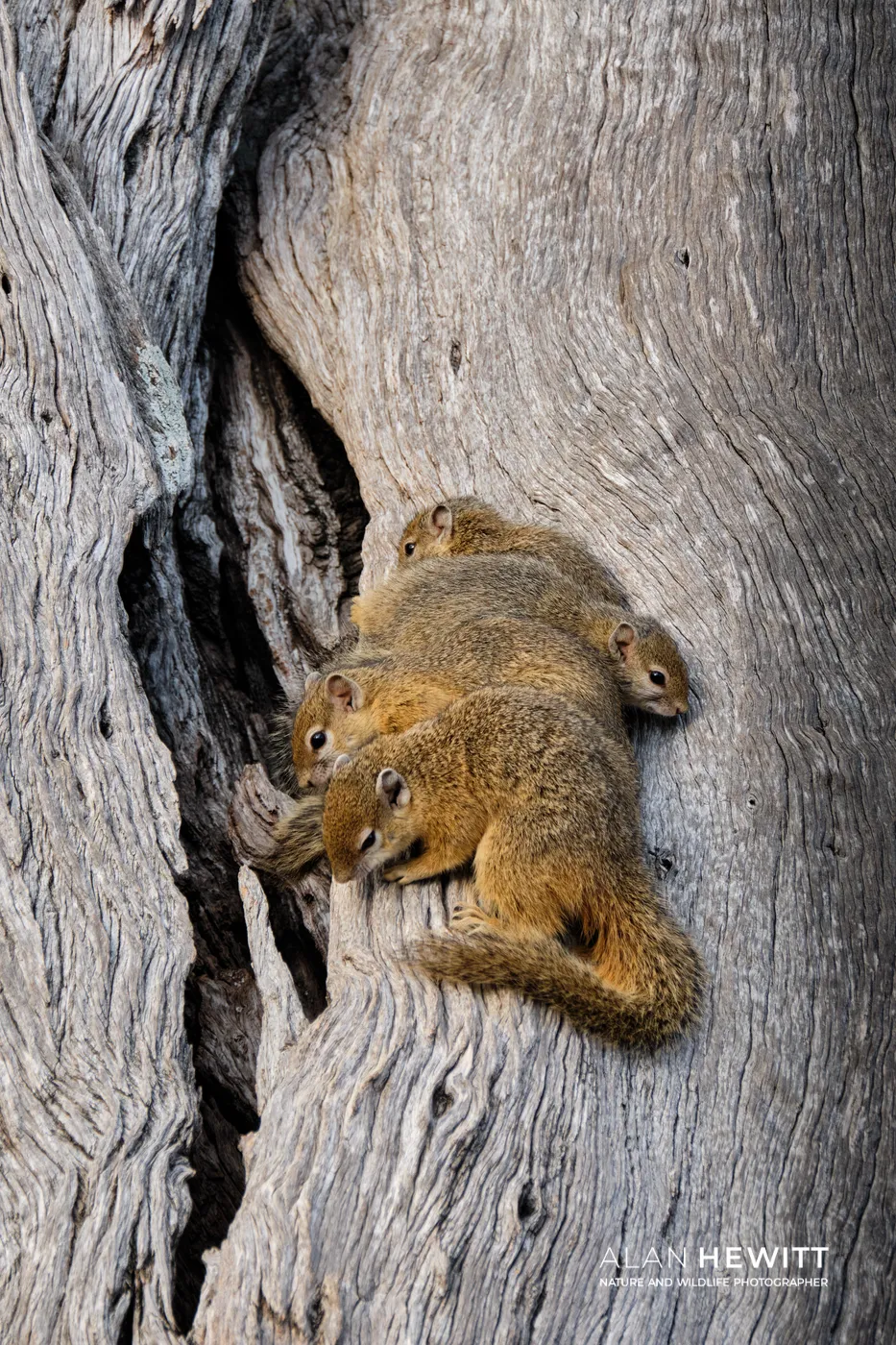
3. Smith’s bush squirrels, but why are they “vertically” stacked?
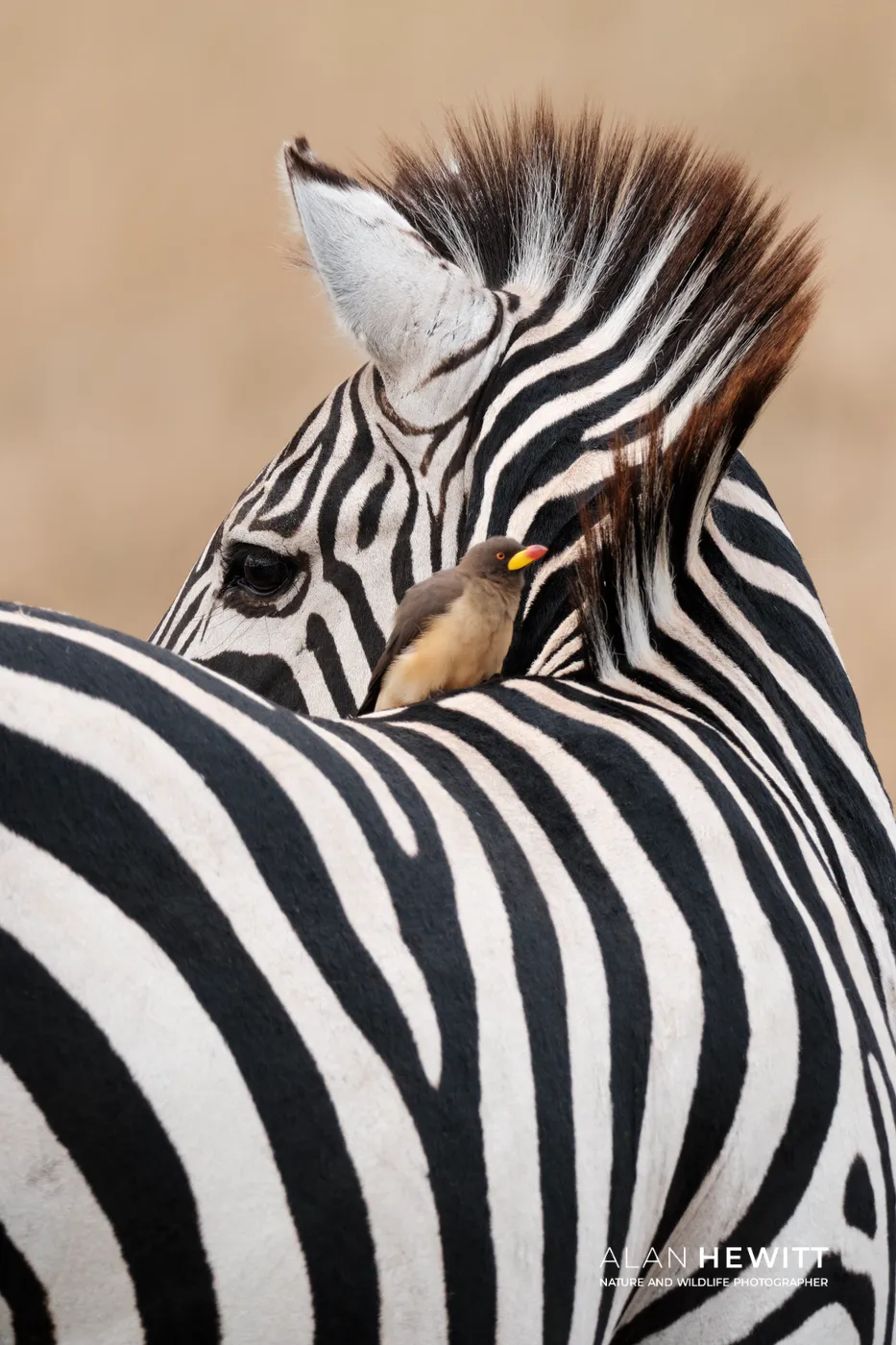
4. Yellow-billed oxpecker on a zebra. Coincidence or otherwise?
Update – A Story in Every Frame
We asked what you thought the natural history stories behind these photographs might be. Many of the responses were thoughtful, and some were remarkably close to our own interpretations. It’s always encouraging to see people looking beyond the obvious subject and considering the behaviour, ecology and circumstances captured in the frame. For us, this is much of the thrill of wildlife photography, not just a pretty photograph!
So here are our interpretations.
Before we begin, a quick disclaimer. These observations are not presented as absolute fact, these are our best judgements based on the available evidence, our field experience, and what we know about the species involved. You may reach slightly different conclusions, and that is perfectly fine. In fact, that is part of what makes natural history so fascinating.
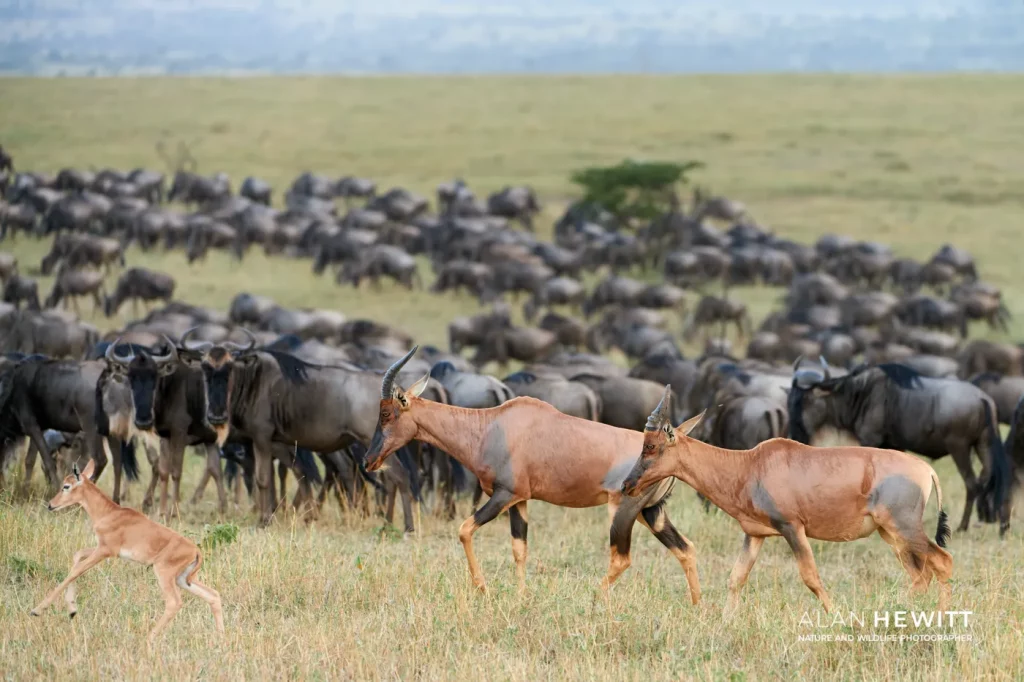
Yes, a scene from the great migration. Other mammals such as topi and zebra can often be seen with the wildebeest herds. Topi do not migrate but when the herds pass through, they become temporarily surrounded to benefit from increased collective vigilance and safety in numbers. Zebras often migrate with the wildebeest and like topi, are considered to have incredible eyesight while wildebeest are known for acute hearing and sense of smell.
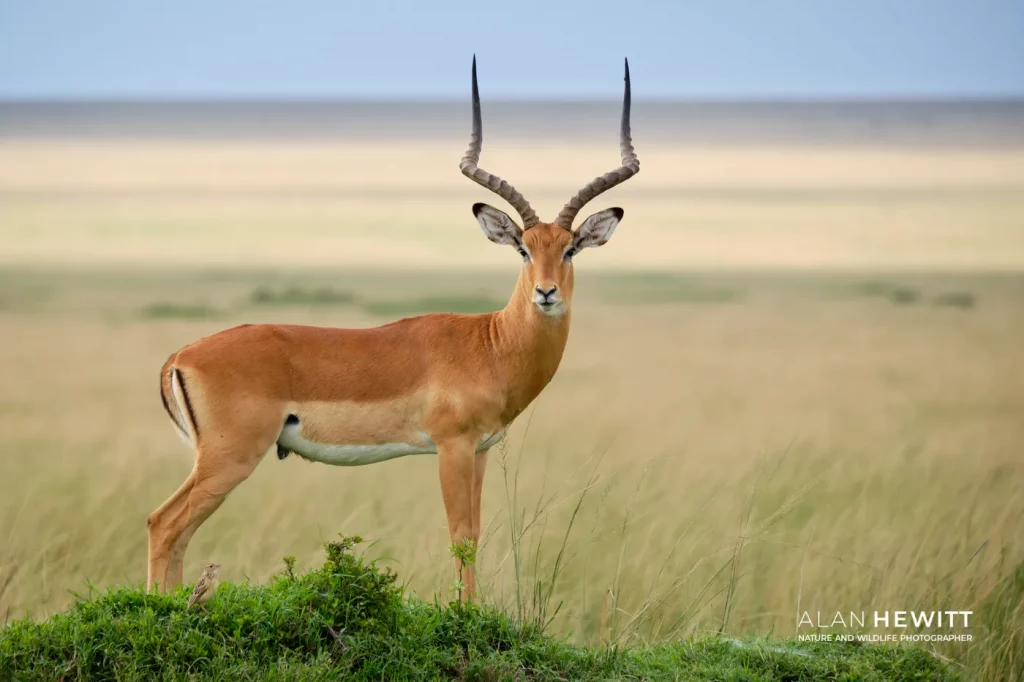
This male impala is standing on an abandoned termite mound. From an elevated position they can see much farther across the savanna, especially in taller grass where predators can be concealed. The plain-backed pipit is not feeding on parasites on the impala. Termite mounds often attract insects, seeds, and small invertebrates, especially after rain or when the soil is disturbed. Many small birds take advantage of this concentrated food source.
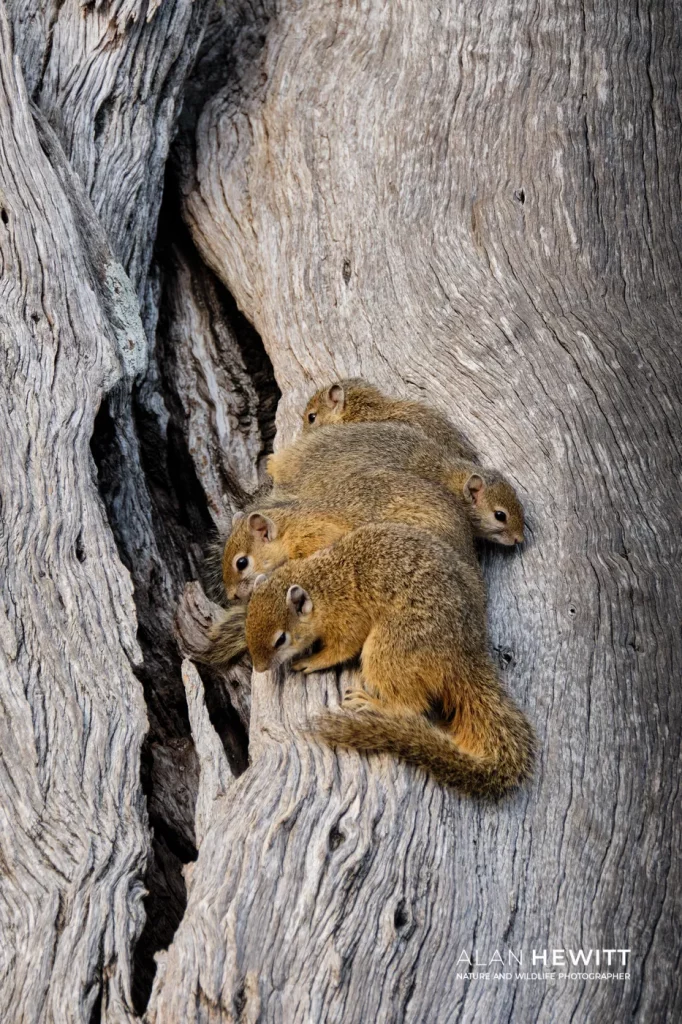
Yes, these squirrels are huddling together for thermoregulatory benefit but it may also make them appear as a larger animal to predators. By facing different directions they have a greater field of vigilance. A vertical trunk also offers more escape options than being isolated on peripheral branches.
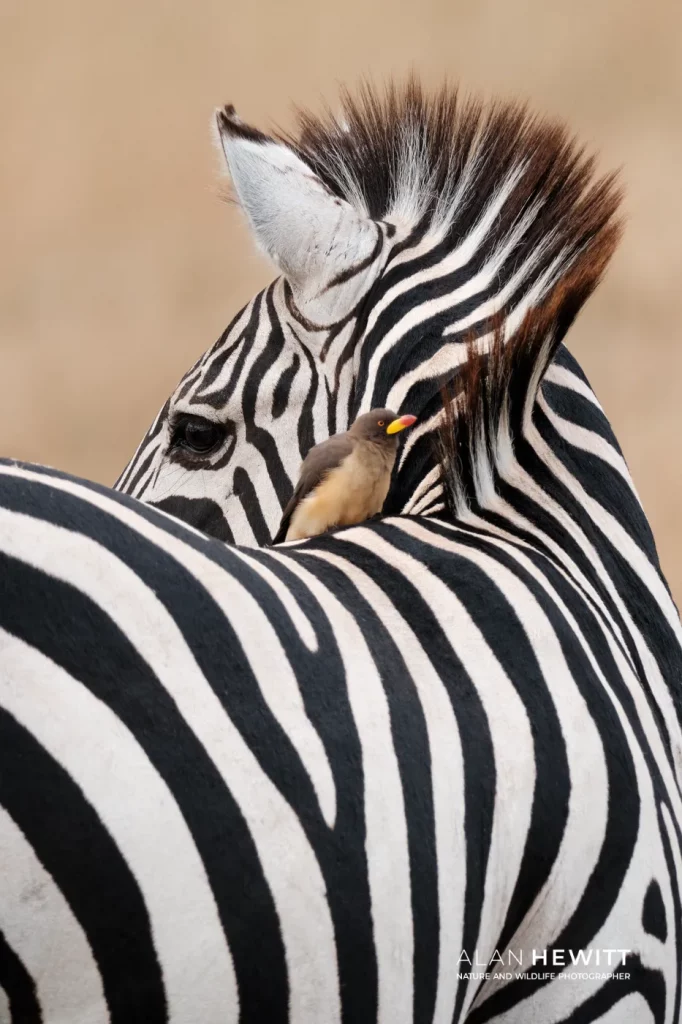
This yellow-billed oxpecker is feeding off ticks and parasites on the host zebra. It’s mutualism, which means both species benefit. But, it can develop in to parasitism if the host is carrying a wound. More on oxpeckers, here.



Leave a Reply